Nationwide Finalizes Virgin Money Acquisition as CEO Prepares to Depart
The chief executive of Virgin Money, Chris Rhodes, is set to retire in September 2026, following the completion of Nationwide's £2.9 billion takeover of the bank. This move marks a significant step in the integration of Virgin Money into the Nationwide umbrella, solidifying the building society's position in the UK banking sector.
Leadership Transition and Integration Process
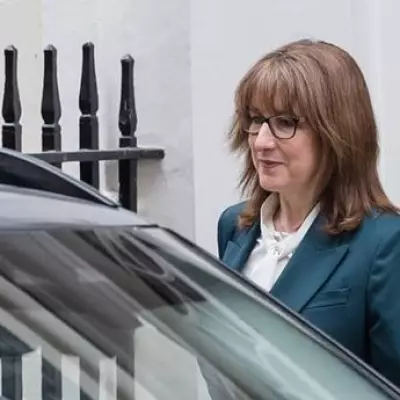
Chris Rhodes assumed leadership at Virgin Money after its acquisition by Swindon-based Nationwide in late 2024. Prior to this role, he served as finance chief at Nationwide for over five years. On Tuesday, Nationwide announced that Rhodes will step down in September, with Dame Debbie Crosbie, chief executive of Nationwide, praising his efforts in "steadying and strengthening the Virgin Money business" over the past 18 months.
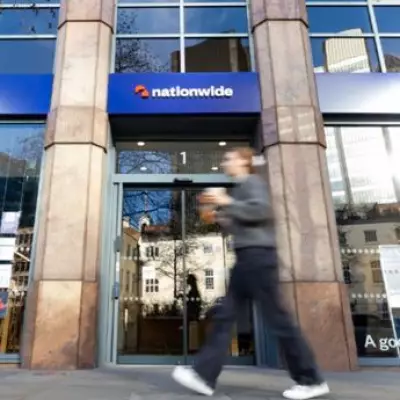
The acquisition, which was finalized in early October, has created the UK's second-largest retail banking provider, positioning it ahead of NatWest and behind Lloyds Banking Group. Nationwide confirmed the completion of a legal mechanism known as a Part VII Transfer, which allows for the seamless transfer of all customers, accounts, and contracts from Virgin Money to Nationwide without requiring individual consent from each customer.

Financial Details and Brand Implications
Nationwide struck the deal for Virgin Money, then listed on the FTSE 250, in March for approximately £2.9 billion. The firm subsequently secured around £2.3 billion from the acquisition, raising questions about Virgin Money's leadership decision to accept a deal that some felt undervalued the bank, which had a book value of £4.4 billion.
As part of the arrangement, Nationwide assumes responsibility for customer accounts, mortgages, credit cards, data, and banking contracts from Virgin Money and its associated brands, including Clydesdale Bank and Yorkshire Bank. This integration means that a replacement for Rhodes may not be necessary as the two entities merge into a single organization.
Historical Context and Financial Windfall
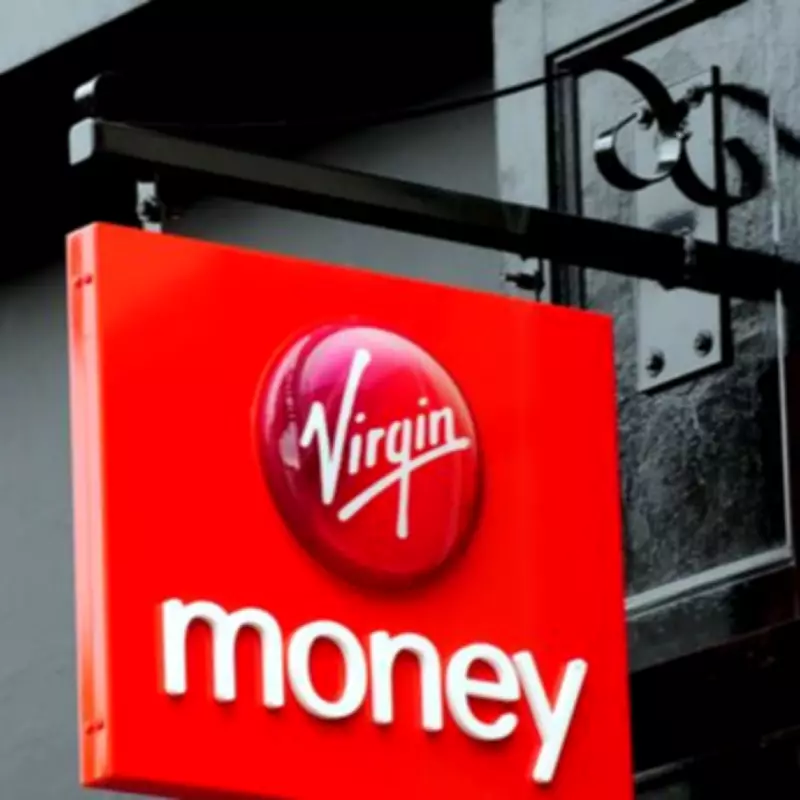
Virgin Money was established by English business magnate Sir Richard Branson in March 1995, initially known as Virgin Direct. Branson secured a windfall of approximately £724 million from the transaction with Nationwide, which included £414 million for his 14.5 percent stake.
The remaining sum derived from Nationwide agreeing to pay for the use of the Virgin Money brand, involving £15 million in annual royalties for the first four years and a £250 million exit fee. This arrangement positions the Virgin Money brand to vanish from the high street within six years from the date of the acquisition, marking the end of an era in UK banking.