Royal Mail Announces Stamp Price Increases Effective April 7
The Royal Mail has confirmed significant changes to its stamp pricing structure, with increases set to take effect from Tuesday, April 7. This announcement comes as the postal service faces mounting scrutiny over its delivery performance, with projections indicating that approximately 219 million letters may arrive late this year.
Details of the Price Adjustments
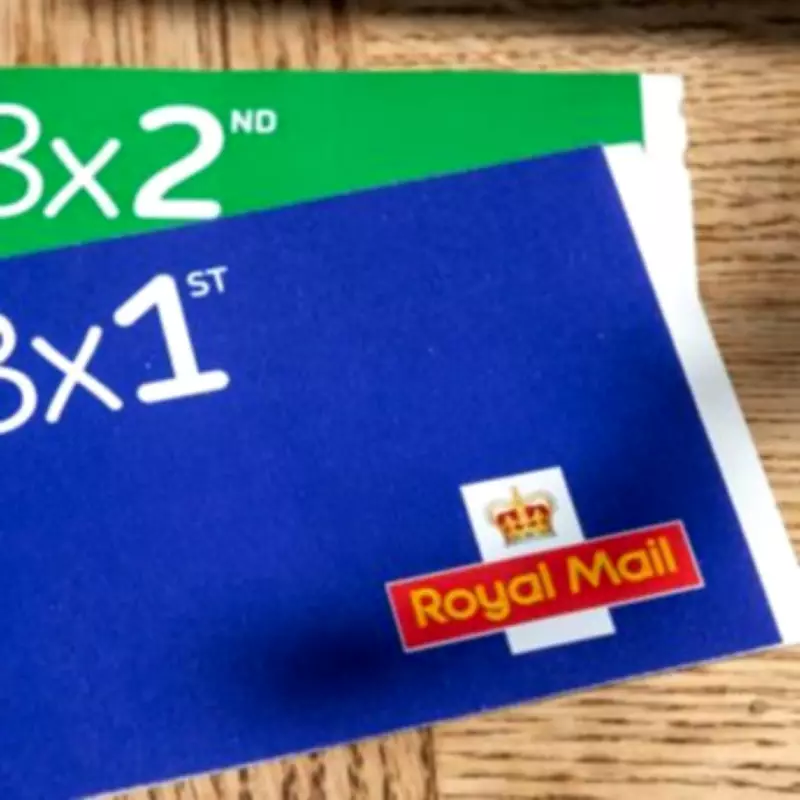
First-class stamps will see a substantial increase of 10p, continuing a trend that has nearly doubled their cost since 2022, when they were priced at 95p. Meanwhile, second-class stamps will also become more expensive, rising from 87p to 91p. It is important to note that second-class stamps remain under price caps regulated by Ofcom, which limits how much Royal Mail can charge for this service tier.
Service Performance Under the Microscope
Despite the price hikes, Royal Mail's delivery reliability remains a point of contention. The company reports that over 92 percent of all postal items arrive on or before their scheduled delivery date. However, a closer examination reveals concerning gaps in performance.

Less than 75 percent of first-class letters, parcels, and packages are delivered by the next working day, falling significantly short of the 93 percent target set by the postal service. Second-class mail performs somewhat better, with more than 90 percent delivered on time according to Royal Mail's own figures. Nevertheless, this still results in an estimated 93 million late letters annually, highlighting persistent service challenges.
Royal Mail's Response and Future Plans
A Royal Mail spokesperson addressed these issues, stating, "We recognise there is more to do to deliver a consistently high level of service everywhere." The company plans to discuss its transformation efforts and the urgent need for changes to the universal service at an upcoming business and trade committee meeting. These discussions aim to align customer expectations with long-term financial sustainability.
The spokesperson further emphasized, "Attending the business and trade committee will give us the opportunity to discuss the work we are doing to transform Royal Mail and the urgent need to implement changes to the universal service to deliver the services our customers want and ensure we are financially sustainable for the long term."
As customers brace for higher postal costs, the focus remains on whether Royal Mail can improve its delivery timelines to match the increased prices. The April 7 changes mark another step in the evolving landscape of postal services in the United Kingdom.