Savings Tax Alert: How Frozen Bands Could Impact Your Finances
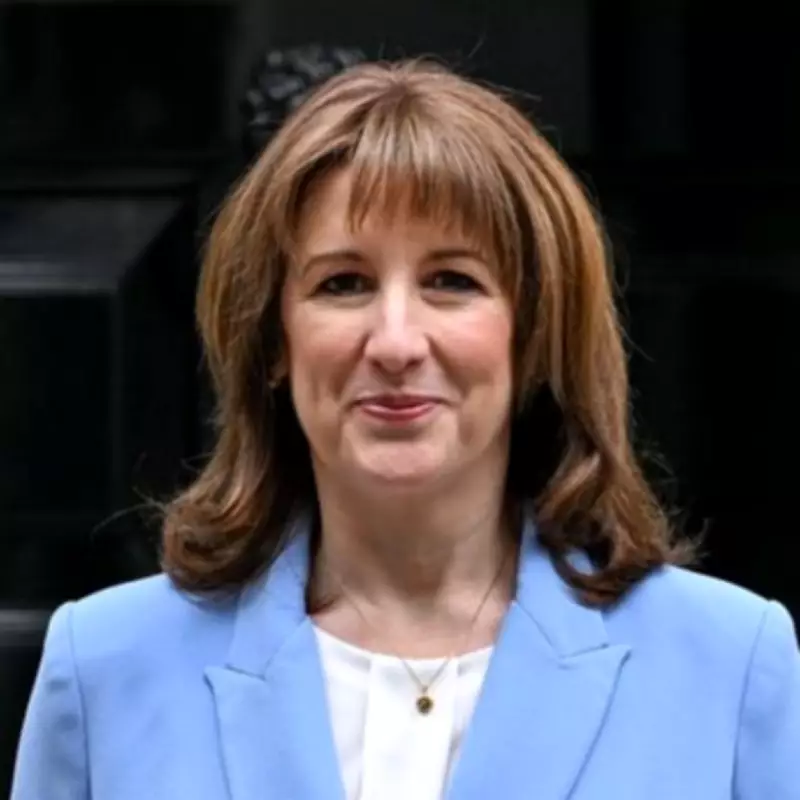
Households across the UK are being urged to carefully review their savings arrangements as tax rules continue to evolve under current economic policies. Chancellor Rachel Reeves has maintained frozen tax bands, a decision that financial experts warn could have significant implications for savers with substantial bank balances.
Understanding the Personal Savings Allowance
The personal savings allowance determines how much interest individuals can earn from their savings before facing taxation. This allowance varies depending on income levels and corresponding tax brackets. For most workers earning below £50,000 annually, the allowance stands at £1,000 in interest per year before tax becomes applicable.
Based on current top savings rates, individuals in this category would need approximately £20,000 in savings to potentially exceed this threshold and become liable for taxation. However, the situation differs markedly for higher earners, who face a reduced personal allowance of just £500 before tax obligations begin.

The £10,000 Savings Threshold
For those in higher income brackets, maintaining savings of around £10,000 at optimal interest rates could potentially trigger tax liabilities. This represents a significant concern for households who have worked to build their financial security through careful saving.
Financial commentator Martin Lewis recently clarified the situation, stating: "Now if you're a basic rate taxpayer, a 20% rate taxpayer, which is generally someone earning between about £12,500 and £50,000 a year, then your personal savings allowance is £1,000. That means you can earn £1,000 of interest from any legitimate UK sources and you do not have to pay tax on it."
The Impact of Frozen Tax Bands
The decision to maintain frozen tax bands means that as incomes gradually increase through promotions or annual adjustments, more individuals may find themselves crossing into higher tax brackets without corresponding increases in their personal savings allowances. This phenomenon, often described as fiscal drag, effectively expands the number of savers who could face taxation on their interest earnings.
Financial experts emphasize that households should:
- Regularly review their savings arrangements
- Understand their current tax bracket and corresponding allowances
- Explore legitimate financial management strategies
- Stay informed about changing tax regulations
With HMRC potentially targeting more savers due to these frozen thresholds, proactive financial planning has become increasingly important for households seeking to optimize their savings while remaining compliant with tax regulations.