UK Bank Chiefs Develop Backup Payment System to Counter US Dependence
Senior banking leaders across the United Kingdom are actively planning to establish an alternative payment network to Visa and Mastercard. This strategic move is primarily motivated by growing apprehensions regarding the potential for political interference from the United States, particularly under the administration of President Donald Trump.
Political Risks Prompt Financial Contingency Planning
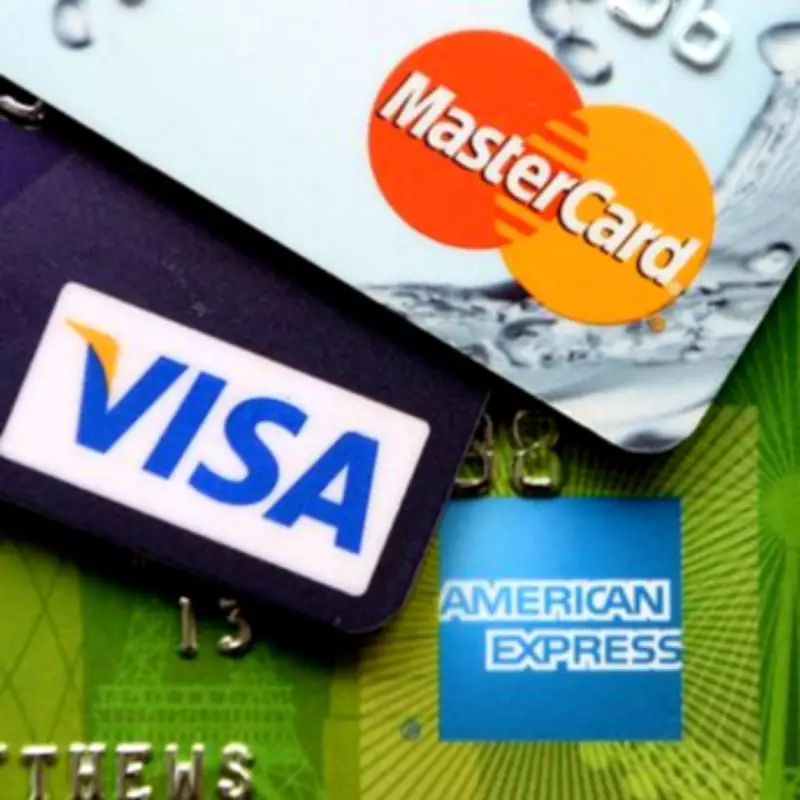
The initiative has gained urgency following recent geopolitical tensions, including threats made by the US President towards NATO allies. These developments have starkly highlighted the UK's significant dependency on American corporations for critical financial infrastructure. Currently, approximately 95% of all card transactions in the UK are processed through systems owned by the two US giants, Visa and Mastercard.
This City-funded and Government-backed project has been under discussion for several years. However, the current political climate has accelerated its progression from theoretical planning to concrete action.

High-Level Meeting to Launch Funding Consortium
A pivotal meeting chaired by Barclays’ UK chief executive, Vim Maru, is scheduled for this Thursday. The assembly will bring together a consortium of major City funders committed to fronting the initial costs for establishing a new, independent payments company. This entity is designed not to replace, but to work alongside the existing Visa and Mastercard networks, serving as a crucial backup during emergencies or operational disruptions.
Sarah Breeden, the Deputy Governor of the Bank of England, emphasized the operational rationale behind the plan. She stated, “In the context of a challenging and changing cyber and operational risk environment, it could provide a degree of extra resilience in the UK payments landscape, as an additional payment rail on the rare occasion of operational disruption to existing rails.”
European Warnings and UK Resolve
The urgency for such sovereign capability has been echoed in European political circles. Aurore Lalucq, chair of the European Parliament’s economic and monetary affairs committee, issued a stark warning: “Visa, Mastercard … the urgent issue is our payment system. Trump can cut everything off. The rest is poetry. I urgently request that the commission organise a European Airbus for payment systems: you can’t say you weren’t warned.”
Within the UK, industry veterans strongly support the initiative. Joe Garner, the former chief executive of Nationwide, told the Guardian, “Regardless of any political developments, the UK needs to do this. We needed to before, we need to now … I don’t think that’s changed by recent events.” His comments underscore a long-standing belief in the necessity for domestic payment resilience, now amplified by contemporary political uncertainties.
The development of this alternative system represents a significant step towards bolstering the UK's financial sovereignty and operational security, ensuring the nation's payment infrastructure remains robust against both geopolitical and technical threats.