UK Fuel Supply Tightens as Middle East Conflict Drives Price Surge
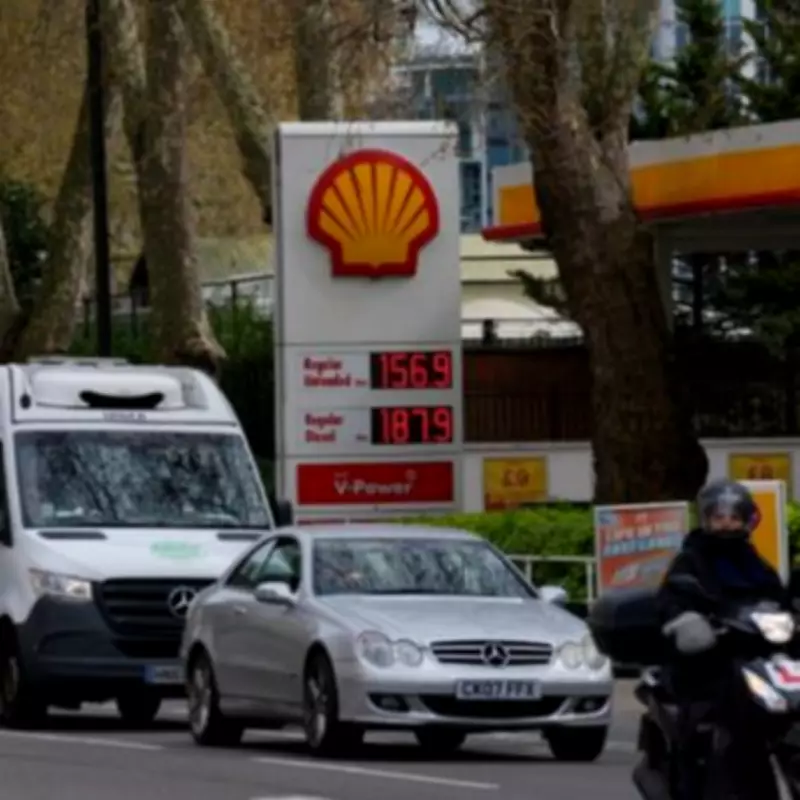
The United Kingdom is facing a significant tightening of petrol and diesel supplies as fears of shortages grow amid the ongoing conflict in the Middle East. According to the RAC, drivers are currently paying an average of 153.68p per litre for petrol, which represents a sharp increase of almost 21p since the outbreak of the Iran war on February 28.
Diesel Drivers Hit Hardest at the Pumps
Diesel drivers have been impacted even more severely, with average costs soaring to 184.2p per litre. This marks a staggering 30 per cent rise compared to prices just five weeks ago when the conflict began. The volatility in fuel markets has been exacerbated by reduced blending benefits for petrol and diesel, as highlighted by James Hitchman, Director of Portland Pricing.
Mr Hitchman explained: "This has restricted availability under contract pricing, pushing more volume into higher-priced spot markets." The price of Brent crude oil has experienced wild fluctuations in recent weeks, dropping from $119 (£89) on March 31 down to $101 (£76), adding to the uncertainty in fuel supplies.

Global Trade Interconnections Amplify Risks
Attention is now shifting to potential secondary impacts from disruptions in the Strait of Hormuz. Although less than one per cent of the UK's oil supply comes directly from the Persian Gulf, global trade flows remain highly interconnected. Any disruption forces buyers in Asia, Africa, and Australasia to seek alternative sources, which in turn tightens supply into Europe and the UK.
Government Response and Future Support
In an update today, Labour Party Chancellor Rachel Reeves stated it was "too early" to specify exactly who would receive assistance, noting that energy demand is typically low during summer months but begins to rise in autumn. She refused to promise any immediate support for drivers, emphasizing the importance of maintaining control over public finances.
Reeves said: "I want to learn the lessons of the past because when Russia invaded Ukraine, the richest, the best-off third of households got more than a third of the support. That makes no sense at all." She added that from July to September, gas usage, particularly by families and pensioners, is at its lowest due to summer conditions.
When questioned about whether support could extend beyond benefit recipients, Reeves indicated: "We're looking at ways in which we can support people based on their household income." The situation continues to develop as the Middle East conflict persists, with motorists and industry experts closely monitoring supply chains and pricing trends.