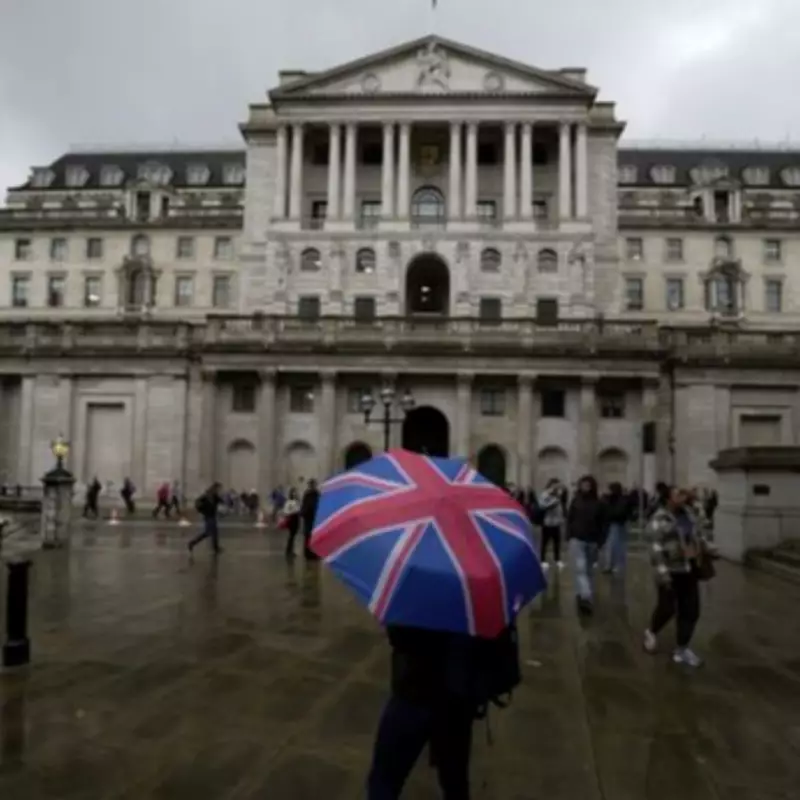
UK Inflation Holds Steady at Three Percent in February, Exceeding Bank of England Target
Inflation in the United Kingdom remained firmly above the Bank of England's official target rate in the final data snapshot before warfare erupted in the Middle East. The Office for National Statistics confirmed that Consumer Price Index inflation for the twelve months to February stood at three percent, unchanged from the previous month's reading.
Pre-Conflict Data Shows Persistent Price Pressures
City economists had anticipated inflation would hold at three percent, matching the figure for the year to January. Analysts expressed concern that official statistics demonstrated inflation remained considerably above the Bank of England's two percent target even before military strikes in Iran commenced in early March.
Policymakers at the central bank were expected to examine more nuanced indicators within Wednesday's data for signs that inflation was moderating prior to the conflict. Services inflation, which helps gauge wage cost impacts on businesses, eased slightly to 4.3 percent. Core inflation, excluding volatile food and energy components, remained at 3.2 percent.

Economists Downplay Significance of Pre-War Figures
Martin Sartorius, lead economist at the Confederation of British Industry, described the inflation data as "old news" and suggested a return to the two percent target might only materialize next year. It appears unlikely that Bank rate-setters will scrutinize these pre-conflict figures too closely given subsequent developments.
Chancellor Rachel Reeves defended the government's approach to tackling inflation as "responsive and responsible" within an increasingly uncertain global environment. The Middle East conflict has triggered a blockade of the Strait of Hormuz, a vital waterway responsible for approximately one-fifth of global oil and gas supplies, along with fertilizers and essential chemicals.
Energy Market Turbulence Following Conflict Outbreak
The international benchmark for oil prices approached $120 per barrel at the height of the conflict, surging dramatically from approximately $68 before hostilities began. Brent Crude oil prices remained above $100 during Tuesday's trading session, while UK natural gas futures have skyrocketed by more than 80 percent since the conflict commenced.
A sharp rise in energy prices across financial markets has already translated into higher fuel costs at petrol stations nationwide. British households have been cautioned that the Ofgem price cap will reflect these market changes beginning in July.
Bank of England Adjusts Inflation Projections Upward
Prior to the Middle East conflict, the Bank of England had indicated inflation would decline to its target rate from April. The central bank has now revised inflation projections upward to three percent for next month, with additional increases anticipated in subsequent months.
During its meeting last week, the Bank's Monetary Policy Committee cautioned it remained "ready to act" should prices surge higher. Chief economist Huw Pill emphasized in a Tuesday speech that uncertainty could not serve as an "excuse" as the Bank concentrated on restoring price stability.
Diverging Views on Interest Rate Trajectory
Economists at Wall Street banks have suggested interest rates could be raised twice amid concerns that households and businesses remain vulnerable to cost of living pressures. Conversely, WPI Strategy economist Martin Beck indicated it was "more likely" that the Monetary Policy Committee would "sit tight" and maintain interest rates at current levels for an extended period.
The inflation landscape has grown increasingly complex, with pre-existing price pressures now compounded by geopolitical instability and energy market volatility. All eyes remain on how the Bank of England will navigate these challenging economic conditions in the months ahead.