UK Hospitality Sector Stuck in 'Perma-Crisis' as Costs Soar
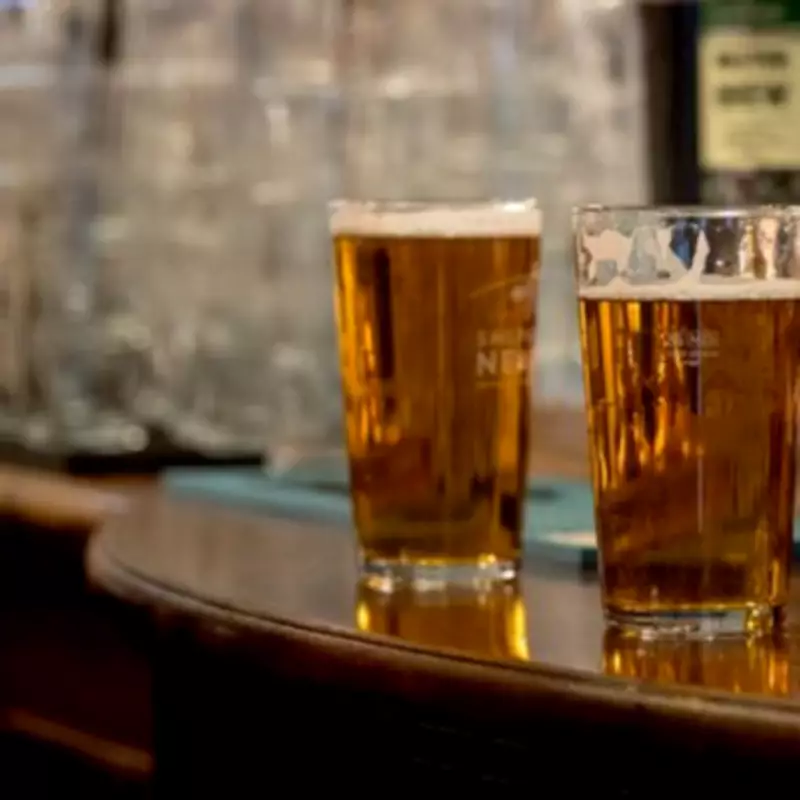
The United Kingdom's pubs, bars, and restaurants are confronting what industry experts describe as a "perma-crisis" situation, with relentless inflationary pressures squeezing profit margins to unprecedented lows. According to new financial analysis, for every pound spent on a pint in 2026, wet-led pubs across the nation could retain a mere three pence in profit.
Shrinking Profits Revealed by Detailed Analysis
Business current account specialists at money.co.uk conducted comprehensive research using data from the British Beer and Pub Association, modeling how key operating expenses have evolved year-over-year. Their findings paint a stark picture: while consumers have witnessed the average draught pint price increase over the past two years, the actual profit derived from each pint has plummeted by more than half during the same period.
The profit margin has deteriorated significantly, dropping from seven pence per pound in 2024 to five pence last year, and now potentially reaching just three pence in the current year. This alarming trend underscores the severe financial pressures facing the hospitality sector.

Breaking Down the Cost Pressures
Multiple factors are contributing to this profit erosion. Wholesale food and drink costs represent approximately forty-one percent of revenue, while wages account for around thirty-one percent, making these the two largest expenses for pub operators. Additional financial burdens include:
- Beer duty increases of 3.66% this year, adding roughly £35 weekly to operational costs
- Wage expenses expected to rise by approximately £229 more
- Business rates (the tax on pub buildings themselves) consuming three percent of revenue
- Utilities accounting for four percent of costs
After accounting for these and other operating expenses, only six percent in gross profit typically remains—equivalent to six pence from every pound—before even considering rent payments.
The Rent Factor and Real-World Implications
Industry guidance from the BBPA indicates that rent can consume around fifty percent of gross profit. After this substantial deduction, the typical wet-led pub might be left with just three pence in profit from every pound spent by customers.
To illustrate this concretely: for pubs charging an average of £5.17 for a pint of lager, this would translate to approximately sixteen pence profit per pint. These persistent cost pressures could potentially make the much-discussed £10 pint an increasingly realistic prospect in the UK's more expensive regions.
Industry Voices Sound the Alarm
David Roberts, a hospitality sector specialist at CMS, emphasized the severity of the situation, stating: "This is just the latest in a long procession of inflationary pressures that the industry is facing. It's starting to feel like a perma-crisis."
Joe Phelan, money.co.uk business current accounts expert, provided further insight: "It's easy to assume that rising pint prices mean pubs are making more money, but the reality is very different. Our data shows margins are shrinking, with only a few pennies left from every pound spent once costs, including rising beer duty, are covered. Without support, we risk losing not just businesses, but a cornerstone of British culture."
The Broader Context and Future Outlook
This financial analysis emerges against a backdrop of declining pub numbers across the United Kingdom. Pub landlords now face an increasingly difficult balancing act: attempt to absorb rising costs and further erode already-thin margins, or continue passing them on to customers and risk losing valuable trade.
Phelan added crucial advice for business owners: "With margins under such pressure, careful financial management is becoming more important than ever. Using a business current account with integrated reporting tools can help landlords keep track of costs, monitor cashflow, and make informed decisions to protect profits and keep their doors open."

The combination of wholesale price increases, wage pressures, business rates, and beer duty hikes has created what appears to be a sustained crisis environment for UK pubs, bars, and restaurants, threatening both their economic viability and their cultural significance to communities nationwide.