British Dual National Stranded in Spain After New Passport Rule Blocks Return
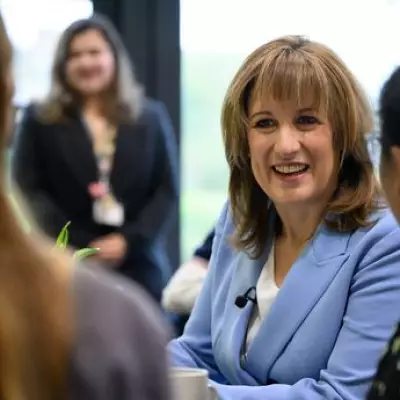
A 26-year-old British tourist, Natasha Cochraine De La Rosa, has been left stranded in Spain and barred from returning to the United Kingdom due to newly implemented border regulations for dual nationals. The incident highlights significant challenges faced by individuals holding multiple citizenships under the updated Home Office rules.
New Regulations Cause Travel Disruption
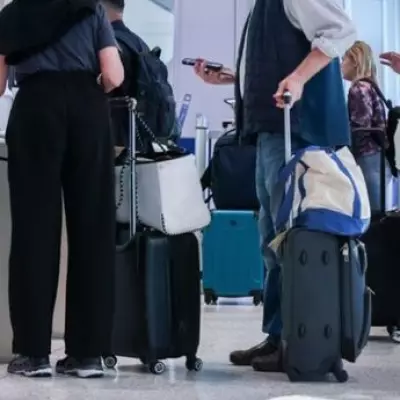
Natasha was prevented from boarding her return flight from Amsterdam to London Luton Airport on April 6, 2026. This occurred because the Home Office introduced new rules on February 25, 2026, stating that dual nationals are no longer permitted to enter the UK using only a foreign passport. Instead, they must present either a valid British or Irish passport or possess a digital certificate of entitlement to prove their citizenship.
Natasha, who was born in Islington, North London, to a British father and a Spanish mother, expressed her frustration, stating, "I was born in Islington, I have paid taxes, I have voted. I am a dual national I do have British nationality but the government are saying none of that I have lived for 26 years matters anymore." She emphasized that while she takes some responsibility for not checking the new requirements, she had no reason to anticipate such a drastic change after 26 years of unrestricted travel.

Current Situation and Broader Implications
Currently, Natasha is staying with a family friend in Spain, but she warned that others might not be as fortunate. "Luckily I am privileged enough to have a haven essentially but if I didn’t have any ties to my country, didn’t speak the language or have anywhere to stay I would have been left homeless in the Netherlands," she said. She criticized the government for failing to effectively communicate these important legal changes, noting that many people have commented on her social media posts, revealing they would be in a similar predicament if not for her story.
Natasha further argued, "The system is poorly designed and offers no support or understanding for citizens like myself who do not hit the check box but are still a British citizen." Her case underscores potential gaps in the implementation and awareness of the new regulations, which could affect numerous dual nationals across the UK.
Home Office Response and Policy Justification
In response, a Home Office spokesperson clarified the policy, stating, "Since 25 February 2026, all dual British citizens need to present either a valid British passport or Certificate of Entitlement when travelling to the UK. To prove citizenship and enter the UK legally, individuals can apply for a British passport or Certificate of Entitlement from abroad." The spokesperson added that public information about the requirement has been available since October 2024, with a substantive communications campaign running since 2023 regarding the introduction of the Electronic Travel Authorisation (ETA).
The Home Office also defended the rule by comparing it to practices in other countries, noting, "This requirement applies to all British citizens regardless of other nationality and is the same approach taken by other countries, including the United States, Canada and Australia." This justification aims to align the UK's border controls with international standards, though it has led to immediate hardships for individuals like Natasha.
The situation raises important questions about the balance between security measures and the rights of citizens, particularly those with dual nationality who may face unexpected barriers when traveling. As more dual nationals become aware of these rules, it is likely that similar cases will emerge, prompting further scrutiny of the policy's implementation and support mechanisms.