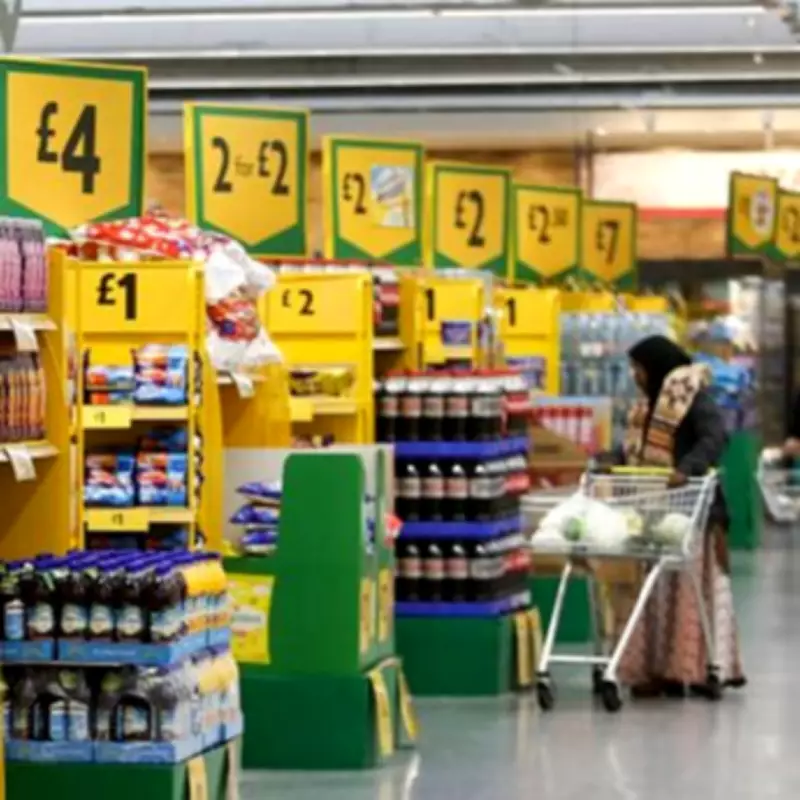
UK Supermarkets Implement Digital Price Displays as Dynamic Pricing Concerns Grow
The Bank of England has issued a warning that UK supermarkets could potentially introduce "dynamic pricing" systems in the future, allowing them to increase the cost of goods during periods of high demand. This development comes as six major supermarket chains are currently testing or implementing digital price display technology in their stores.
Bank of England Reports Significant Shift in Pricing Strategies
According to the Bank of England's latest assessment, approximately one-third of companies across various sectors are now planning to utilize "market-responsive pricing tools." This represents a substantial increase from the current figure of one in five companies employing such strategies. The central bank's deputy governor for monetary policy, Clare Lombardelli, explained that digitalization has dramatically reduced what economists refer to as "menu costs" - the expenses associated with changing listed prices.
"Digital pricing allows firms to change prices frequently at negligible cost," Lombardelli stated. "We are seeing some sectors experimenting with technology that could enable dynamic pricing in the future, such as electronic shelf labels in supermarkets, which are already widespread in Europe."

Major Supermarkets Testing Digital Display Technology
Six prominent UK supermarket chains have confirmed they are either testing or implementing digital price display systems:
- The Co-op has already begun using electronic shelf labels in its stores in recent years
- Morrisons has introduced the hi-tech labels in select locations
- Lidl has implemented electronic shelf labels in a number of its stores
- Asda has equipped approximately 250 of its Express stores with digital tags
- Tesco is looking to test and trial digital price labels
- Sainsbury's is also exploring digital label technology
Notably, Waitrose has explicitly stated it has "no plans" to introduce dynamic pricing systems at this time.
Industry Perspectives on Pricing Technology
Andrew Opie, Director of Food & Sustainability at the British Retail Consortium (BRC), addressed concerns about dynamic pricing directly: "Supermarkets do not use, and have no plan to use, dynamic or surge pricing in their stores." He emphasized that digital pricing displays primarily allow retailers to update and check thousands of prices efficiently, enabling them to continue offering value to customers.
Consumer expert Martyn James highlighted the existing complexity of supermarket pricing: "The wonderful world of pricing in supermarkets is already complicated and confused by special offers, buy one get one free deals, limited time offers, seasonal deals, and different prices in different parts of the country depending on the supermarket size."
Potential Implications and Industry Analysis
Clive Black of stockbroker Shore Capital provided insight into the broader implications: "Changing prices is very expensive. When Tesco changes prices, it has to replace a piece of plastic or cardboard across thousands of stores." He noted that while the initial motivation for digital displays focuses on operational efficiency, standardization, and compliance, the longer-term possibility includes dynamic pricing implementation.
"Whether that is in the interest of shoppers or shareholders is a moot point," Black added, highlighting the ongoing debate about who ultimately benefits from such pricing flexibility.
Environmental and Operational Benefits Cited
Supermarkets implementing the technology have emphasized several benefits beyond pricing flexibility. The Co-op stated that electronic shelf labels would "improve the customer shopping experience, enhance the transparency of product information, improve inventory management and cut paper waste associated with traditional shelf labels."
Similarly, Lidl noted that the digital labels reduce paper waste and improve overall store efficiency, while Asda's implementation across 250 Express stores represents a significant technological upgrade for the chain's smaller format locations.

Despite these technological advancements, industry representatives maintain that current implementations focus on operational improvements rather than dynamic pricing strategies. The situation continues to develop as more retailers explore digital pricing solutions amid growing consumer awareness and regulatory scrutiny.