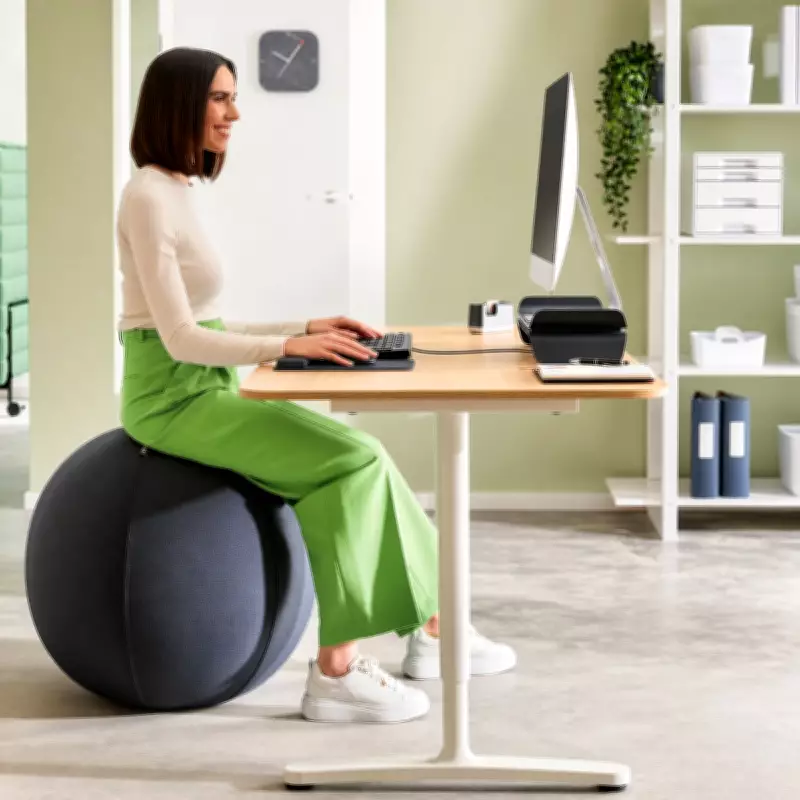
Office workers in Birmingham are increasingly suffering from back and neck pain due to poor desk setups. Ergonomic experts share simple adjustments to transform your workspace and protect your health.
Why Ergonomic Workspaces Matter
Spending hours at a poorly arranged desk can lead to chronic pain, fatigue, and reduced focus. Proper ergonomics not only prevents injuries but also boosts productivity. Here’s how to create a healthier office environment.
Chair Setup
Adjust your chair height so your feet rest flat on the floor, with knees at a 90-degree angle. Use a lumbar support cushion to maintain the natural curve of your lower back. Avoid crossing your legs, as this can misalign your pelvis.

Desk and Monitor Position
Your desk should allow your elbows to rest at a 90-degree angle while typing. The monitor should be at eye level, about an arm’s length away, to prevent neck strain. If using a laptop, consider a separate keyboard and monitor riser.
Keyboard and Mouse Placement
Keep the keyboard and mouse close together to avoid reaching. Your wrists should remain straight while typing. Use a wrist rest if needed, but avoid resting your wrists on it while typing.
Breaks and Movement
Take short breaks every 30 minutes to stand, stretch, and walk around. Incorporate simple stretches like shoulder rolls and neck tilts. Standing desks can alternate between sitting and standing, but remember to stand on an anti-fatigue mat.
Lighting and Screen Settings
Reduce glare by positioning your monitor away from windows. Adjust screen brightness to match the room and enable blue light filters in the evening. Good lighting reduces eye strain and headaches.
Additional Tips for Birmingham Workers
Local experts recommend investing in ergonomic accessories like a vertical mouse or a footrest. Encourage your employer to provide ergonomic assessments. Small changes can make a big difference in your daily comfort and long-term health.
By implementing these ergonomic principles, you can work more comfortably and efficiently. Start with one adjustment at a time and notice the improvement in your posture and well-being.