The deadly reputation of Birmingham's 'Ace Line' has been cemented by a brutal murder that shocked the community. This notorious drug dealing operation, which distributes cocaine and heroin across the city, was thrust into the public eye following the fatal attack on customer Craig Dean.
A Fatal Confrontation Outside a Family Home
On July 7 last year, two suppliers for the Ace Line, Mohammed Rahman and Hamza Khan, carried out a vicious assault outside Mr Dean's home on Springfield Road in Moseley. The court heard how the pair kicked the 53-year-old father, known by the nickname 'Yankee', to death in a daylight attack witnessed by multiple residents.
Both men were subsequently convicted of murder at Birmingham Crown Court. Prosecutors suggested the motive may have been related to Mr Dean allegedly directing other drug users towards competing dealers, highlighting the cut-throat nature of the illicit trade.

The Mechanics of a Modern Drug Operation
The Ace Line represents a classic example of the 'county lines' phenomenon that has spread across urban centres. These operations typically use dedicated mobile phone lines to broadcast bulk messages advertising their products and to coordinate individual transactions with customers.
During the trial, Rahman confessed to working for the line for approximately six months prior to the murder. He described his role as controlling the phone—sending out promotional texts, answering calls, and directing a driver to various locations to complete deals. Khan served as that driver, with Rahman testifying their positions were considered 'equal' within the organisation.
A Network with Deep Roots in South Birmingham
Rahman revealed to the court that the Ace Line primarily served customers in the Kings Heath, Moseley, and Balsall Heath areas of south Birmingham. He claimed the operation existed before his involvement and was controlled by 'someone else above' him in the hierarchy.
Text message evidence presented during the trial showed Mr Dean was engaged in an argument with Rahman on the day of the attack. At around 4.50pm, Rahman and Khan arrived at Mr Dean's address and launched their fatal assault. Shockingly, Khan admitted in his evidence that even after the brutal killing, they continued supplying drugs to other customers for about an hour before fleeing the scene.
A Pattern of Criminal Activity Across the Region
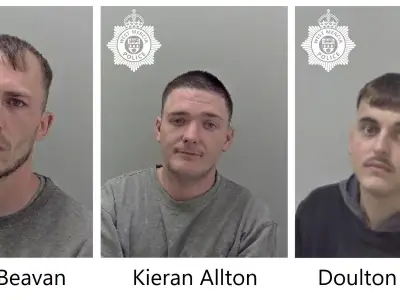
This is not the first time the Ace Line has featured in criminal proceedings. Birmingham Live has reported on several previous cases involving purported dealers from this network being jailed, though it remains unclear if all were part of the exact same operation linked to Mr Dean's death.
In 2022, two individuals from the Rubery and Rednal areas of south Birmingham were caught in Redditch, Worcestershire, with thousands of pounds worth of crack cocaine and heroin in their vehicle. That same year, another alleged Ace Line supplier from Birmingham was stopped in Stourbridge. More recently, in 2024, two brothers received prison sentences for running the Ace Line in east Birmingham between May and October 2023.
The Human Cost of Organised Drug Dealing
Mr Dean, described by loved ones as an 'amazing' father, succumbed to his injuries in hospital two days after the attack. The court heard he was both a customer of the Ace Line and someone who occasionally provided other customers to the operation.
Rahman, aged 25 from Hall Green, and Khan, aged 23 from Moseley, are awaiting sentencing later this month. Rahman testified that he earned between £200 and £250 per day for up to six hours of work—a stark reminder of the financial incentives that sustain these dangerous networks.
This case exposes the grim reality of county lines operations that continue to plague Birmingham's neighbourhoods, bringing violence and tragedy to residential streets while exploiting vulnerable individuals caught in their supply chains.