The Enduring Mystery of Birmingham's 'Little Girl Blue'
In the annals of Birmingham's criminal history, few cases have remained as persistently baffling and heartbreaking as the 1975 murder of eight-year-old Helen Bailey. Known in media reports as "Little Girl Blue" due to the blue clothing she wore when she disappeared, this cold case has defied resolution for nearly fifty years, despite police certainty about what happened and multiple confessions from a single suspect.
A Family's Unending Nightmare
Helen Bailey vanished from outside her family's Great Barr home on August 10, 1975, after spending the afternoon playing outdoors. The eight-year-old had returned home for a bath, then went back outside at 4:30pm to look for her brother. She was last seen skipping near her Booths Farm Road residence before disappearing completely.
Her parents, Leslie and Margaret Bailey, began searching for their daughter within thirty minutes of her disappearance and contacted West Midlands Police by 5:30pm. The response was immediate and comprehensive, with officers launching house-to-house enquiries, searching open spaces and a nearby quarry throughout the night.

Tragically, it was civilian volunteers who made the grim discovery at 6:30am on August 11. Helen's fully clothed body was found on waste ground near the M6 motorway, an area local children called the "Magic Wood" but which Helen's mother had always considered dangerous and forbidden her daughter from visiting.
Conflicting Evidence and False Starts
The initial investigation took several bewildering turns that would complicate the case for decades. An inquest in 1976 reached an open verdict after hearing that Helen's death might have resulted from a "practical joke gone wrong." Home Office pathologist Frederick Griffiths noted that the knife wounds were shallow, there was no sign of struggle or sexual motive, and what he called the "essential hallmarks of a homicidal attack" were missing.
This conclusion was vigorously challenged by Helen's mother Margaret, who spent years campaigning for justice. Her persistence eventually led to a 2012 police review that dramatically changed the understanding of what happened to her daughter.
Pathologist Nathaniel Carey, examining the case decades later, concluded: "This was a clear case of homicide." He discovered that the knife had been plunged into Helen with sufficient force to sever muscle and, crucially, found evidence of strangulation that had been missed in the original post-mortem examination.
The Confession Conundrum
One of the most perplexing aspects of this case involves John Sir, also known as Kenneth Etchells, who confessed to Helen's murder not once, but three times in 1978 while receiving treatment at Birmingham's Highcroft Hospital. Sir provided specific details about the crime that matched pathology discoveries not uncovered until 2012 - specifically that Helen had been strangled before her throat was cut with a penknife.
At a fresh inquest in 2019, Detective Chief Superintendent Caroline Marsh stated she was "absolutely certain" Helen had been murdered and believed Sir was the perpetrator. "I have no doubt in my mind," she told the court. "I believe the perpetrator was Kenneth Etchells and there are no outstanding suspects in this inquiry."
However, Sir later recanted his confessions, claiming he had fabricated the story to "make himself look interesting" to medical staff and secure admission to the psychiatric hospital. When questioned at the 2019 inquest about how his detailed confessions matched evidence unknown until 2012, he could only attribute this to coincidence.
Justice Denied
Despite West Midlands Police's certainty and Sir's multiple confessions, the Crown Prosecution Service determined there was insufficient evidence to bring charges. They concluded that even with the new evidence presented at the 2019 inquest, there was no "realistic prospect" of conviction.
For Helen's family, this has meant decades of torment without closure. Her father Leslie, who was part of the search party that found his daughter's body, passed away forever haunted by what he saw. Her mother Margaret made an emotional appeal on TV's Crimewatch in 2017, stating: "It's still with me, all the time, and I just want closure. I'd just like to think that I can finish my life and know justice has been done."

A Legacy of Unanswered Questions
The case of Helen Bailey represents one of Birmingham's most enduring criminal mysteries. It took forty-five years for her death to be officially classified as murder, and fifty years later, justice remains elusive. The investigation has been marked by conflicting medical opinions, recanted confessions, and a family's unwavering determination to find truth.
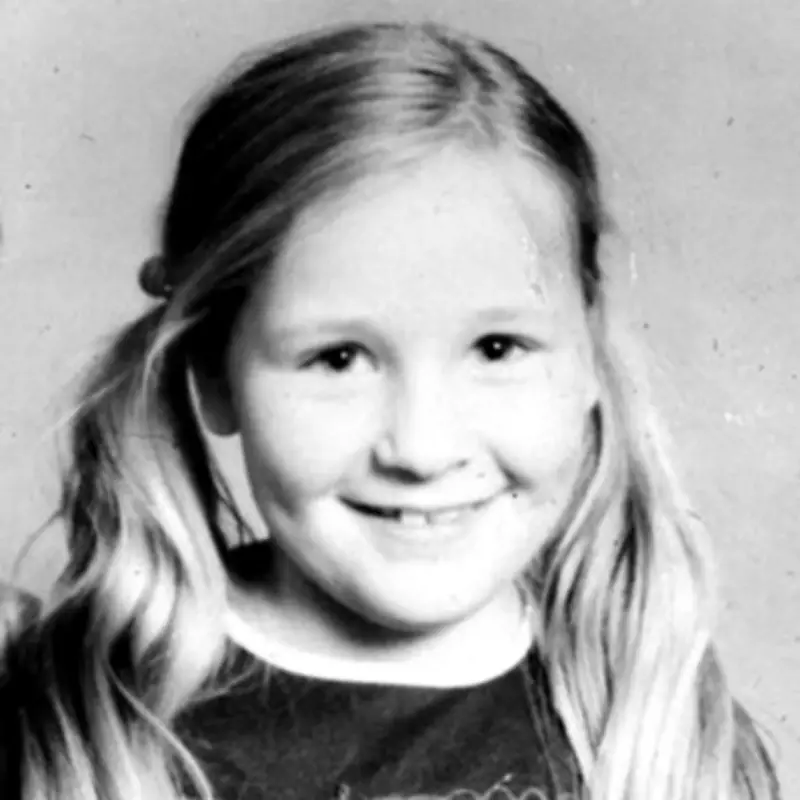
As the years pass, the hope for resolution grows dimmer, but Helen's family and investigators continue to believe that someone somewhere holds information that could finally provide answers. The image of "Little Girl Blue" - with her untidy blonde pigtails and innocent smile - remains a haunting reminder of a life cut tragically short and a crime that continues to defy explanation half a century later.