Police forces across the UK are using a specific law to conduct immediate roadside vision checks, with drivers failing the test having their licences revoked on the spot. The legislation, known as Cassie's Law, is named after 16-year-old Cassie McCord, who was tragically killed by an 87-year-old motorist with poor eyesight.
What is Cassie's Law and how does the test work?
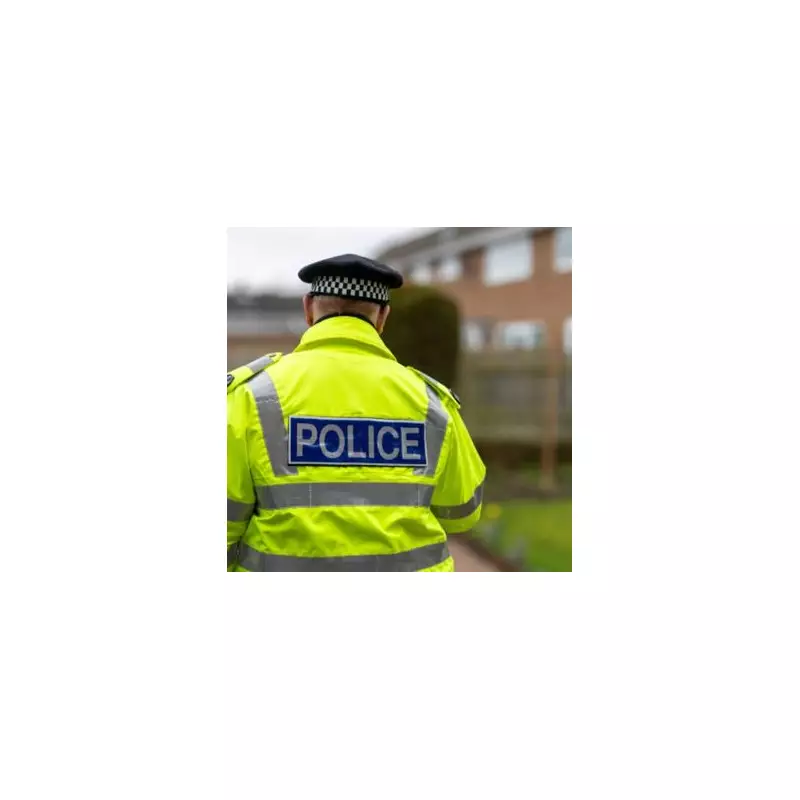
Under this law, officers can request a driver to read a standard vehicle number plate from a distance of 20 metres during any routine traffic stop. If the driver cannot read the plate clearly, they are immediately deemed not legally fit to drive, and their licence can be revoked there and then.
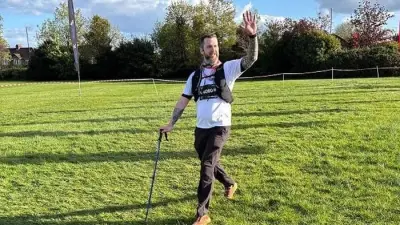
Charlie Reid, the Company Director at Riverside Car Sales, has spoken publicly about the importance of the law. "The test might sound simple, but you'd be surprised how many drivers struggle with it," he stated. He emphasised that this power is a crucial tool for police to ensure only those meeting the legal eyesight standard are on the roads.

Why regular eye tests are non-negotiable for drivers
Charlie Reid strongly advises all motorists to be brutally honest about their vision. "If you're squinting at road signs or struggling to read number plates ahead of you, that's your body telling you something needs to change," he explained. He points out that vision often deteriorates so gradually that the brain compensates, meaning drivers may not realise their sight is below the legal threshold.
His key recommendations for all drivers include:
- Booking a professional eye test at least every two years.
- Seeking an immediate check if you are over 70 or notice any changes in your vision.
- Wearing prescribed glasses or contact lenses every single time you drive, without exception.
- Updating your prescription as soon as it changes.
The life-threatening consequences of poor vision at the wheel
Failing to meet the required eyesight standard is not just a legal issue; it's a major safety risk. "If you can't see a hazard clearly until you're much closer to it, you have less time to react," Charlie notes. That critical loss of a second or two can be the difference between a near miss and a serious collision.
He further warns that impaired vision slows down a driver's ability to process information. "When your vision isn't up to standard, everything takes longer to process. Not only are you putting yourself at risk, but you're also endangering every other road user around you."
The final advice from experts is clear: do not wait for a scheduled appointment if you suspect your eyesight is worsening. "Your eyesight can change quite quickly, and it's not worth the risk of driving illegally or, worse, causing an accident because you couldn't see properly," Charlie concludes. The message is to prioritise regular eye health checks to protect your licence and, more importantly, lives.