The Fight to Reveal a Teen Killer's Identity
In a landmark case that gripped Birmingham, the truth about a horrific series of crimes has finally emerged into the public domain. Birmingham Live led the charge to name 15-year-old Kian Moulton as the teenager responsible for murdering 12-year-old Leo Ross and carrying out violent attacks on three elderly women during a three-day rampage in January 2025. This revelation came after an intense legal battle and a last-ditch effort to keep his identity concealed.
A Sinister Crime Spree Unfolds
The evidence against Moulton was overwhelming, with witnesses and CCTV footage placing him at the scene in Trittiford Mill Park, Hall Green, during the attacks. Disturbingly, the victims—three women over 70 and young Leo—were randomly targeted, indicating no prior connection. In a chilling note found in his custody room in July, Moulton confessed, writing, "I’m not going to lie. I will hold my hands up and say that I done it. I stabbed him. Lower right stomach."
Despite his youth, Moulton's actions showed a remorseless nature. At a court hearing in December, attendees, including some of Leo's family, witnessed him smiling and fist-bumping a custody officer on screen, as if without a care in the world. The hearing was adjourned, but by then, Birmingham Live had already submitted a legal application to lift reporting restrictions, anticipating his guilty plea.

Legal Hurdles and Public Interest Arguments
Under standard legal protocols, individuals under 18 charged with crimes cannot be named by the media due to reporting restrictions. However, Birmingham Live argued that this case was exceptional. The shocking prevalence of knife crime in Birmingham, particularly among young people, necessitated that Moulton be identified to maximize the deterrent effect on others carrying blades.
In court submissions, it was emphasized: "Attacks on random strangers, particularly those who are vulnerable, strike at the very core of a civilised society. They shake the public’s sense of safety and security in living their everyday lives within their own localities." The argument drew parallels to the societal impact of terror attacks, albeit without political motives, highlighting the fear such random violence instills.
On January 29, Moulton pleaded guilty to murder, two counts of inflicting grievous bodily harm with intent, assault, and possession of a knife. This paved the way for High Court judge the Honourable Mr Justice Choudhury to consider lifting the reporting restrictions, with similar applications from the Daily Mail and BBC.
Opposition and Final Ruling
Moulton's barrister, Alistair Webster KC, opposed the move, arguing that naming him would not deter others and could harm his rehabilitation, stating, "He remains a human being, a young and vulnerable human being." He also criticized West Midlands Police for an "inappropriate" media briefing. However, Justice Choudhury ruled in favor of lifting the restrictions, citing a "strong public interest" in identifying Moulton to convey the serious consequences of knife crime.
The judge noted that Moulton had shown scant evidence of rehabilitation, having been violent to others in custody and resisting therapy. He also dismissed concerns about increased risk, as some youths in his unit already knew of his crimes.
Last-Minute Secrecy Bid and Public Disclosure
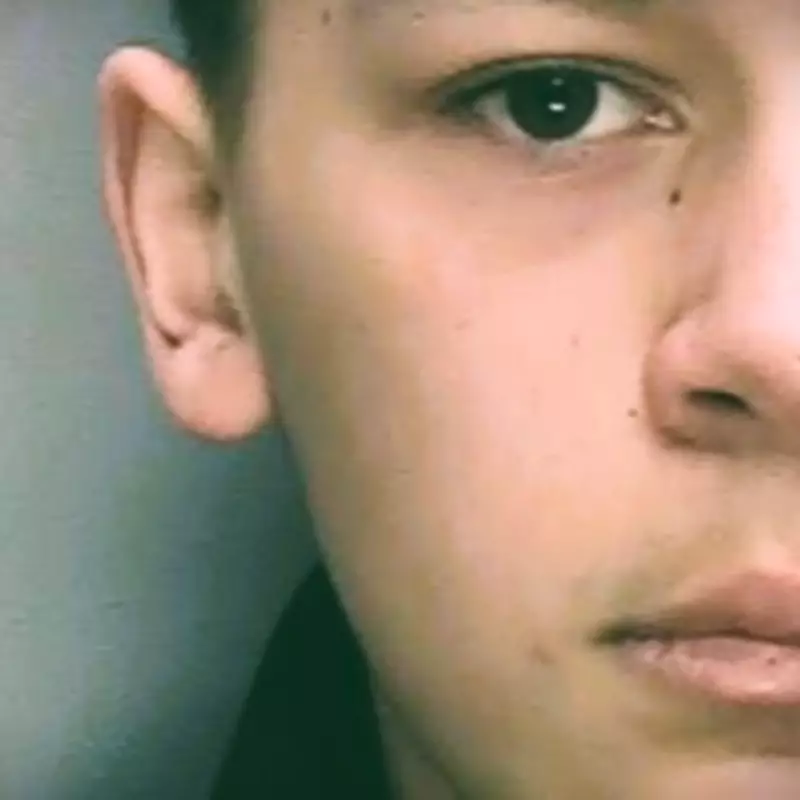
Despite the ruling, Birmingham Children's Trust immediately sought to delay the decision, requesting 48 hours to appeal. After a compromise of 24 hours, they applied for a Judicial Review, urging media not to name Moulton. However, Birmingham Live became the first outlet to identify him on the morning of February 12, with Editor Graeme Brown stating, "We have for a simple reason—the people of Birmingham are safer for knowing." Other media quickly followed, releasing the first pictures of Moulton.
The Trust later issued a statement, explaining they acted in line with Youth Justice Board guidance due to welfare concerns but would not pursue the appeal further. They are participating in a Local Child Safeguarding Practice Review, with findings to be published in spring.
This case underscores the delicate balance between youth offender anonymity and public safety, with justice ultimately prevailing in the name of transparency and community reassurance.