Mothers Warn of More Tragedies Like Leo Ross Without Early Knife Crime Intervention
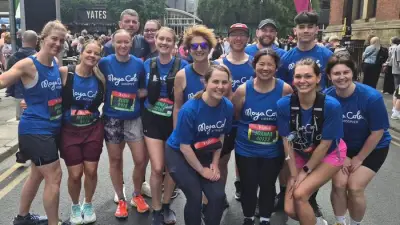
A Birmingham mother who lost her son to a fatal stabbing has issued a stark warning that more children will suffer the same fate as 12-year-old Leo Ross unless mindsets are transformed from primary school age. Alison Cope, whose 18-year-old son Joshua Ribera was knifed in the heart outside a Selly Oak nightclub in September 2013, emphasizes that early interventions and critical discussions about why children carry knives are essential to reducing violence.
The Tragic Case of Leo Ross
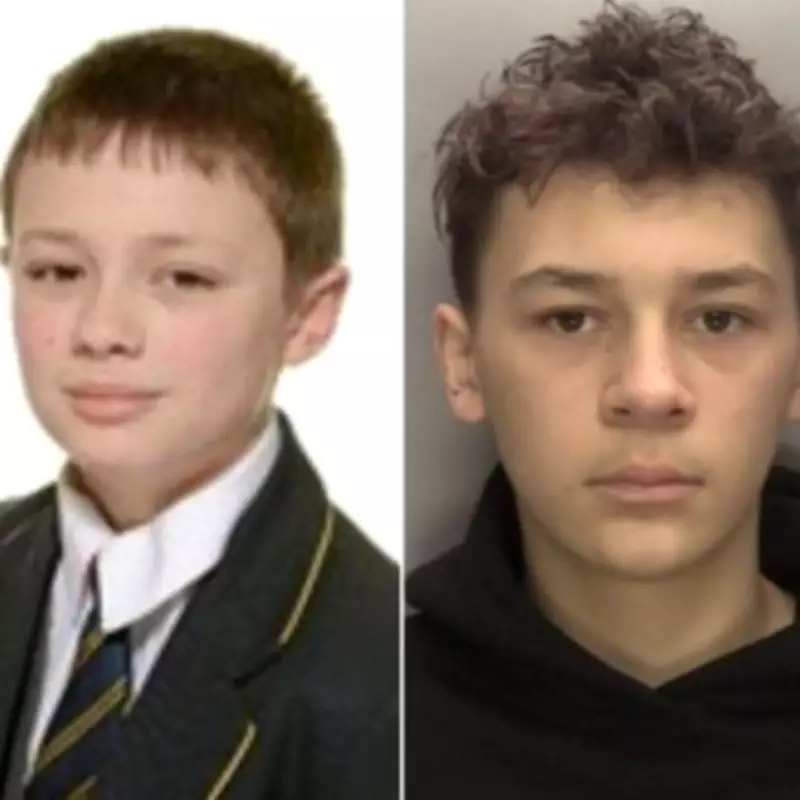
Leo Ross was fatally stabbed at random by Kian Moulton, then 14, near Scribers Lane in Hall Green on January 21 last year. He succumbed to his injuries hours later at Birmingham Children's Hospital. Moulton, who had also attacked three elderly women in separate random incidents prior to the murder, was subsequently jailed for 13 years.
It has since been revealed that the 15-year-old killer had been excluded from mainstream education and a specialist pupil referral unit after breaking a teacher's nose and bringing a knife to class. He was a suspect in four separate assaults, including two on police officers, between October and December 2024.

Moulton witnessed domestic violence during his upbringing and had minimal contact with his mother from the age of four. His parents informed authorities that their son "liked violence and gained enjoyment from it."
Alison Cope's Call for Action
Speaking about Leo's case, Alison told BirminghamLive: "There's no excuse for Kian's behaviour. It's not a case of if he's had a hard life, so this is what he became. He should never have become this when he was having a hard life, when he was showing signs of being disturbed. What was being done to find out what that was? Put him in a secure unit, remove him from the streets. Signs were there."
She advocates for a national priority to make regular interventions compulsory in education to counterbalance the negative influences affecting young people. "Some of them have a very negative mindset around violence, language, about response. I think when a young person does show a high level of violence and behaviour, there needs to be a quick and intensive response to it," she added.
The Need for Compulsory Education in Primary Schools
Alison believes opportunities to help children exist if compulsory learning about knife crime is implemented for pupils in their final year at primary schools. She visits schools daily and reports that three out of five schools have students on Snapchat making threats like, "I'm gonna stab ya. Watch what I do to you. I'm gonna f you up."
"Now, nine times out of ten that's a hollow threat, but what we're seeing is that it triggers a sequence of events where the other child thinks they are going to get stabbed, so they need to carry a knife to protect themselves," she explained. "That's the mindset of saying what you want online, using a certain type of language."
She argues that simply telling children not to carry knives because it's dangerous or could lead to prison does not address their underlying fears. "If you ask Why are you so scared? We then have an opportunity to help," she said.
Addressing Misconceptions and Fears
In her experience, year six pupils genuinely believe that 80-90% of teenagers carry knives when they transition to secondary school in Birmingham. "That's not me saying it, you hear that with your own ears from 10 and 11-year-old children saying this," Alison noted.
Without compulsory education for every year six group, she warns, society misses the chance to understand why children are scared and provide the necessary support to prevent knife carrying in year seven. "A child has a violent outburst or carries a knife or is referred to social services, but why do we have to wait until something terrible happens and then go 'oh, he was disturbed?' But why wasn't he picked up earlier?" she questioned.
"They'll be children all over the place showing this level of behaviour. And 99 per cent of them won't go on to kill, but if one does and we haven't done everything to stop the next Leo (death), then I don't think that's really ok," Alison concluded, urging for proactive measures to avert future tragedies.