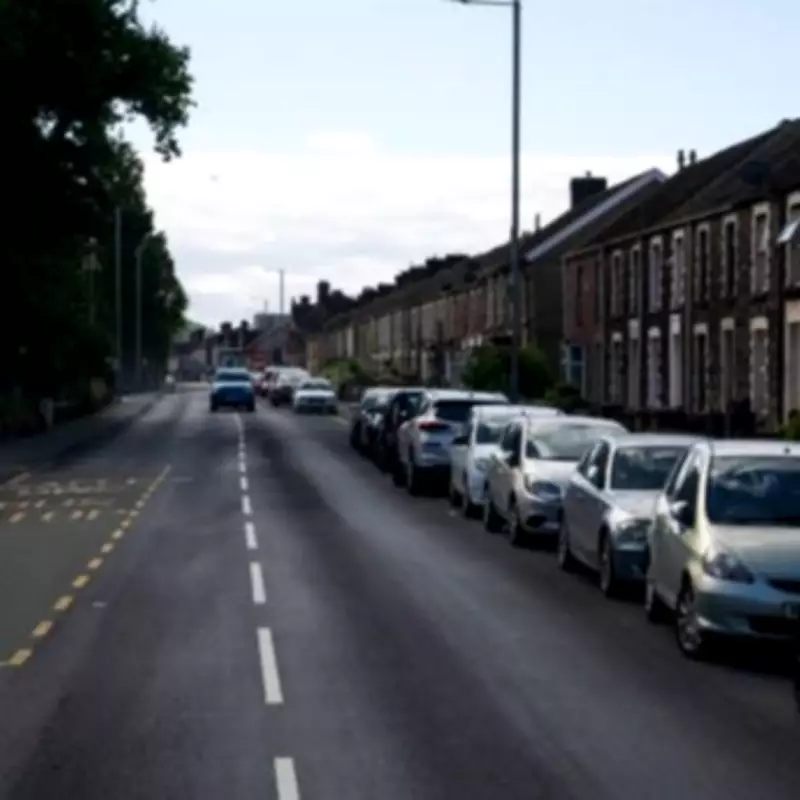
The English Devolution and Community Empowerment Bill has successfully passed through Parliament, ushering in a new crackdown on pavement parking for drivers across England. The legislation, championed by the Labour Party government, aims to give local communities the power to clamp down on dangerous pavement parking outside of London.
Government and Stakeholder Reactions
Secretary of State for Transport Heidi Alexander welcomed the Bill's passage, stating: "It's vital that authorities can act fast to stop dangerous drivers, taxis and private hire vehicles wherever they operate. These new powers will mean safer journeys for everyone with drivers still subject to the highest criminal background checks. Meanwhile, people shouldn't have to dodge vehicles parked up on pavements as part of their daily routines."
Harry Foskin, Senior Public Policy Manager at Voi Technology, commented: "Transport for London has to crack on and use these powers to deliver pan-London licensing for e-bikes now the Government has done its part. For too long, riders have been left confused with a patchwork of rules that serves nobody well - not riders, Boroughs, pedestrians or other road users."

Impact on Vulnerable Groups
Eleanor Briggs, Head of Policy, Public Affairs and Campaigns at Guide Dogs, expressed strong support: "After decades of campaigning, the agreement in the House of Lords today to introduce new powers to tackle pavement parking is a very welcome step in the right direction. Blocked pavements are a problem for everyone trying to walk down the street safely, but are especially dangerous for people with sight loss, wheelchair and powerchair users, and people with pushchairs, who may have no option but to step into the road." She added: "We are looking forward to working with the government and councils on developing the details of the rules. It's essential that these are developed and enforced quickly to ensure that everyone can get from A to B without being stopped or forced into the road."
The measure is expected to make streets safer and more accessible for wheelchair users, people with visual impairments, and parents with pushchairs, ensuring communities are accessible to everyone, Labour hopes. Charlotte Proctor, a 36-year-old from Leeds who has been blind since the age of two, shared her experience: "I can't find the words to describe how terrifying it is to step into a busy road when you can't see what is going on. Cars are zooming past in both directions, and all the time people must be thinking I've lost my way - or my mind - when, in reality, I'm just looking for an obstacle-free route."
The Bill's passage marks a significant step forward after decades of campaigning by disability rights groups and safety advocates, with enforcement details to be developed in collaboration with local councils.