West Midlands Police Officer Drank to Cope with Child Abuse Cases, Hearing Reveals
A West Midlands Police officer resorted to alcohol consumption as a coping mechanism after handling distressing child sex abuse investigations, an accelerated misconduct hearing has disclosed. The officer, whose identity remains confidential, was found to have been significantly intoxicated while on duty, breaching professional standards.
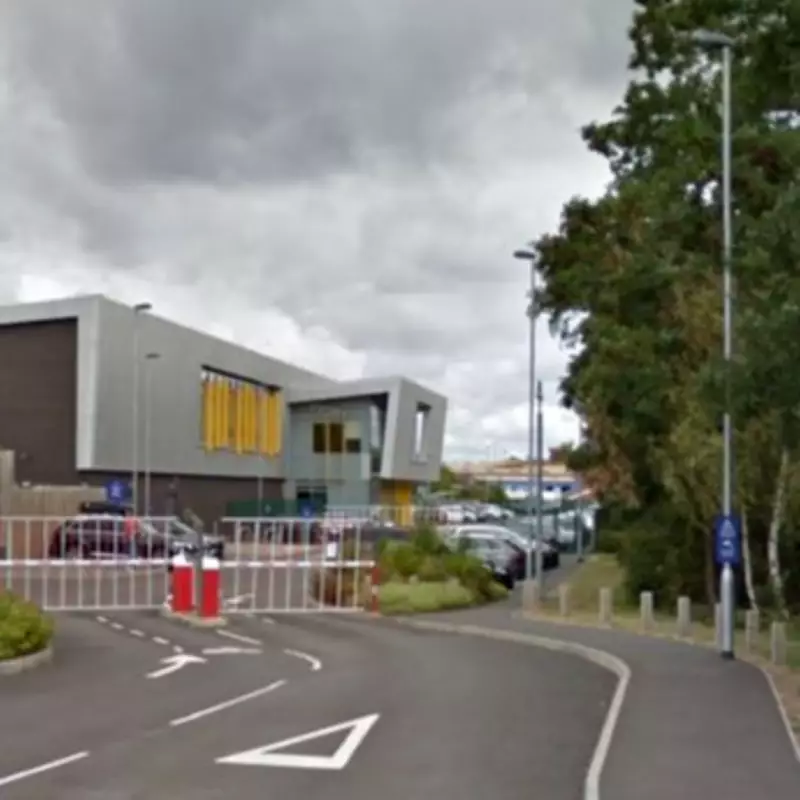
Intoxication at Oldbury Custody Suite
The incident unfolded at the Oldbury custody block on July 28 last year, where colleagues raised concerns about the officer's potential intoxication. At approximately 9:30 AM, he underwent a breathalyser test, which recorded alcohol levels of 35 micrograms and 33 micrograms per 100 millilitres of breath. This far exceeded the force's limit of 13 micrograms, rendering him unfit for duty under the Police Regulations 2003 and the Substance Misuse Policy.
Panel chair Julia Debenham stated in her report that the officer had deliberately become intoxicated, compromising his ability to perform duties. She emphasized that the public expects police officers to maintain professionalism, and such conduct undermines confidence in policing, especially when interacting with detained individuals.

Gross Misconduct and Resignation
The hearing, held in March, determined that the officer's actions amounted to gross misconduct, breaching standards related to fitness for duty and discreditable conduct. Had he still been employed, he would have faced dismissal. The officer resigned from West Midlands Police on February 19, 2026, and did not provide further explanations during the investigation.
However, it was later revealed that he used alcohol to manage anxiety stemming from his work in child abuse investigations. Ms. Debenham acknowledged his years of service in public protection but concluded that his intoxication was unacceptable. The officer had a record of good work, but this did not mitigate the misconduct.
Broader Implications and Anonymity
This case highlights the psychological toll of handling severe crimes like child sex abuse and raises questions about support mechanisms for officers. West Midlands Police has been contacted for comment on why the officer was granted anonymity, a detail that remains unexplained. In the UK, the drink-drive limit is 35 micrograms per 100ml of breath, aligning with the officer's test results.
The report underscores the importance of maintaining professional conduct in policing, as such incidents can erode public trust. It also points to potential gaps in mental health support for officers dealing with traumatic cases, suggesting a need for improved coping strategies beyond alcohol use.