A Decade of Survival and Advocacy After Horrific Sutton Coldfield Attack
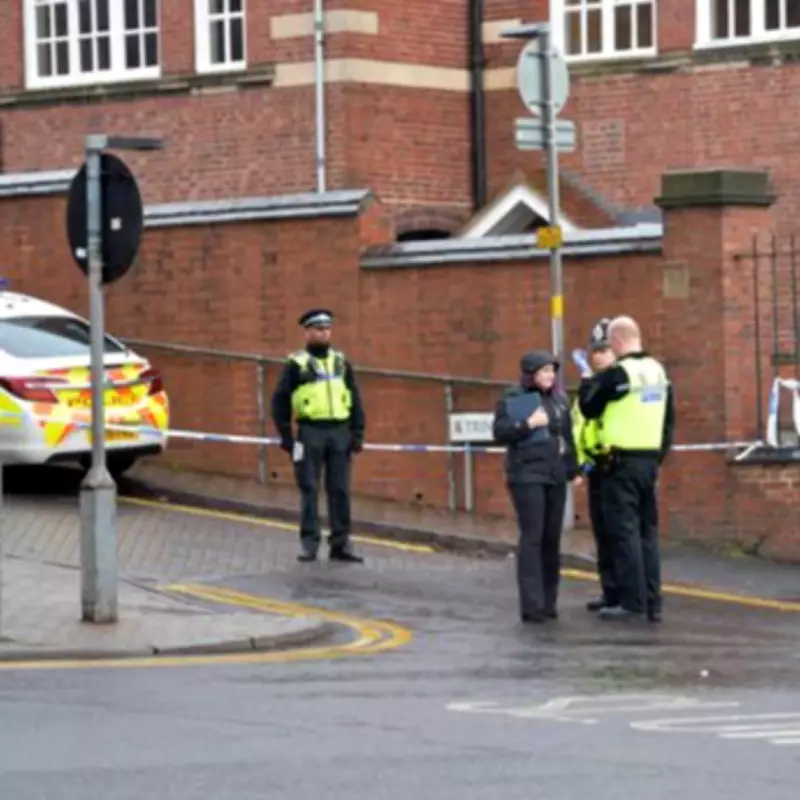
Ten years ago today, on March 4, 2016, one of the country's most horrific crimes unfolded on Trinity Hill in Sutton Coldfield. Natalie Queiroz, eight months pregnant, was walking into town when her then-partner, Babur Karamat Raja, known as 'Bobby', launched a frenzied attack, stabbing her 24 times at approximately 3.15pm.
The Attack That Changed Everything
The brutal assault left Natalie and her unborn daughter fighting for their lives. Three bystanders – John Mitchell, Anthony Smith, and Callum Gibson – intervened, wrestling the carving knife from Raja. One of the 24 knife wounds was just 2mm from the baby. Natalie was treated by paramedics at the scene before being airlifted in critical condition to Queen Elizabeth Hospital in Birmingham around 4pm.
While Natalie remained in a coma, her daughter was born by emergency Caesarean section shortly before 8pm. Both survived after extensive surgery. Raja pleaded guilty to attempted murder and attempted child destruction and was jailed for 18 years on June 23, 2016.

From Victim to Campaigner
Natalie, now 50, has transformed from a partnership manager working with the NHS to a passionate campaigner. She first raised funds for the Midlands Air Ambulance that saved her and her daughter's lives, then became a fierce anti-knife crime champion and staunch victims' advocate working with West Midlands Police and Crime Commissioner Simon Foster.
"Ten years ago today was the last day of my life being what you think of as normal," Natalie told BirminghamLive on the eve of the anniversary. "I thought everything was fine. It was the final 24 hours I was ever going to feel like that."
The Hidden Trauma and Ongoing Recovery
The couple had known each other since school days and were planning their wedding when the attack occurred. Natalie revealed Raja had been living a "double or triple life" – telling his family he was on a 'lads' holiday' to Portugal while actually vacationing with her and her daughters in summer 2015.
Natalie's physical scars remain, including the amputation of her little finger in 2023 due to stab injuries. "The amputation unlocked part of the trauma I hadn't dealt with," she explained. "I then had tremendous trauma and flashbacks to the moment I was being given first aid."
Family Impact and Media Spotlight
Natalie's family was thrust into the media spotlight without consent. "Everyone knew the little one had been born before me. I was in a coma," she said. Her sister learned she was critical from a Radio 2 news report while driving to the hospital, and her mother was informed by police after picking up Natalie's daughters from school.
"To this day she still remembers that," Natalie said of her middle daughter seeing the air ambulance overhead. "It will trigger her and turn her stomach if she sees an air ambulance."
Anti-Knife Crime Work and Victim Advocacy
Natalie now speaks to offenders in prisons about the realities of knife crime. "Through my youth violence work, I speak to young adults and young offenders in prisons and also adults," she said. "They hear victims' stories when on their path to rehabilitation."
She believes the justice system has become "too offender-centric" and needs a shift toward victims. "What I'm starting to hear maybe the system has gone too offender-centric and maybe there needs to be a shift to victims," she stated.
Looking Forward After a Tumultuous Decade
March 4 remains bittersweet – the anniversary of the attack but also her youngest daughter's birthday. "Luckily, she still sees it as a celebration," Natalie said. "It's a full-on birthday with banners and balloons."
Natalie has since remarried and maintains close relationships with her three daughters and their father. "The girls and I have always been really, really tight," she said. "Really honest, tight together, loving, supportive."

Reflecting on the past decade, Natalie said: "In 10 years I have certainly found the person that I am. It doesn't take away what that day was and will always be." As she enters her 50s, she hopes for "more calm and more positivity" after a decade dominated by the attack's aftermath.
"It certainly gives me a purpose doing victims' work," she concluded. "But every single day has a toll. It can never be changed. It is what it is. This is life. I use that experience to change things that need to be changed."