Birmingham Priest Opens Up About Life Beyond the Pulpit
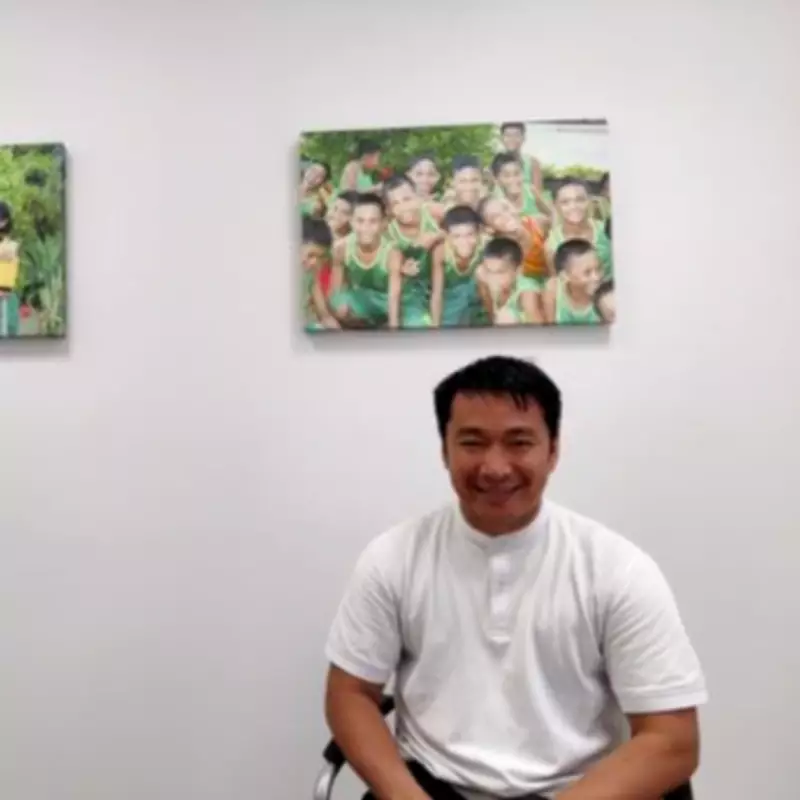
Father Fretch Ballesteros, a 36-year-old priest based in Birmingham, has offered a candid glimpse into the realities of a religious leader's downtime. As the Priest in Charge at the Holy Family in Small Health and a trustee of World Villages for Children, his days are typically filled with rigorous spiritual and community obligations.
A Day in the Life of a Priest
On a regular day, Father Fretch begins his duties at 9 a.m. at his parish. He conducts Eucharistic Adoration on Tuesdays and Thursdays from 9:30 a.m. to 10:30 a.m., followed by mass services. His mornings also involve administrative tasks such as responding to calls and emails, hearing confessions, and visiting local schools. Afternoon hours are often dedicated to further admin work, with him typically returning home to Stechford by 6 p.m. or 7 p.m.
The Myth of a 'Free' Day Off
Despite having designated days off, Father Fretch emphasizes that his schedule remains demanding. He explained, 'For example, if my day off is Monday and I'm 'free,' sometimes if I say it's my 'day off' it doesn't mean I'm free anyway. I still have funerals or house visits. You know there's still a lot of pastoral things which come as a priority rather than taking my time to relax and sit down and extend my legs.' This highlights the ongoing commitment required in his role, where pastoral care often takes precedence over personal leisure.

Moments of Respite in the City
When he does manage to carve out some time for himself, Father Fretch enjoys exploring Birmingham. He shared, 'If I do have that time, I do walk around town, for example from the city centre, from the train station maybe to The Mailbox, through Five Ways down to maybe the canal to the library and around the area really.' These walks provide a brief escape from his busy routine, allowing him to reconnect with the urban environment he serves.
Balancing Duty and Downtime
Father Fretch's insights reveal the delicate balance between religious responsibilities and personal time. His story underscores the dedication of community leaders in Birmingham, who often prioritize the needs of others even during their supposed breaks. This perspective offers a deeper understanding of the sacrifices and joys inherent in pastoral work.