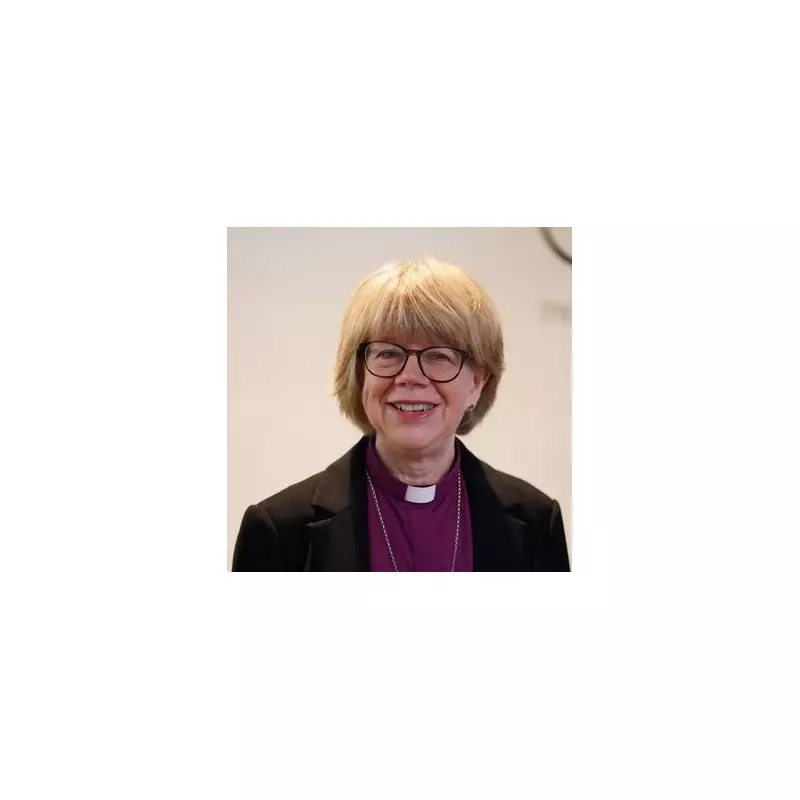
A coalition of 27 Members of Parliament and peers has called on the incoming Archbishop of Canterbury to prevent the Church of England from proceeding with a £100 million programme of slavery reparations.
Parliamentarians Warn of 'Worrying Precedent'
In a letter addressed to Dame Sarah Mullally, who is due to be legally installed as Archbishop in January 2026, the parliamentarians argue the significant financial commitment could establish a "worrying precedent". They fear it may pressure other institutions with historical connections to slavery into feeling compelled to take similar action.
The controversial plan, known as Project Spire, was launched following internal research by the Church into the historical links of its endowment fund to the Transatlantic slave trade. It proposes allocating £100 million from the Church Commissioners' endowment to establish a separate charitable fund dedicated to "healing, repair and justice".

This fund is intended to grow over time and support investments aimed at benefiting historically marginalised groups, with a particular focus on communities impacted by African chattel enslavement.
Concerns Over Core Funding and Evidence
The signatories, led by shadow Home Office minister Katie Lam and including senior Conservatives Chris Philp, Claire Coutinho, and Neil O'Brien, challenge the plan on two main fronts.
Firstly, they contend that the Church Commissioners' endowment is legally intended to support core Church functions. "At a moment when churches across the country are struggling to keep their doors open — many even falling into disrepair — it’s wrong to try and justify diverting £100 million to a project entirely separate from those core obligations," the letter states. They specify that the endowment should fund parish ministry, church building maintenance, and the care of historic records.
Secondly, the group questions the "evidential basis" of Project Spire. They caution against reducing the Church's complex history, which includes involvement in abolitionism, to a "simplistic narrative of guilt."
The letter appeals directly to Dame Sarah's upcoming leadership: "A clear signal from you now that the focus of the Church under your leadership will be the strengthening of parishes, not the pursuit of high-profile and legally dubious vanity projects, would reassure the many worshippers, clergy, and members of the public who have contacted us with their concerns."
Church Defends Its 'Moral Purpose'
In response, a spokesperson for the Church Commissioners defended the decision. They stated the 320-year-old endowment fund had committed the £100 million to establish a new investment fund "in response to the discovery of its historic links with Transatlantic African chattel enslavement."
The spokesperson argued this action aligns with the Church of England's Fourth Mark of Mission, which commits to transforming unjust societal structures and pursuing peace and reconciliation. They added that governance arrangements were being developed transparently, "in line with charity law, our fiduciary duties, and our moral purpose."
The dispute sets the stage for a significant early challenge for the new Archbishop, pitting financial stewardship and legal obligations against a publicly stated commitment to address historical injustices.