The Vanished Streets of Birmingham: A Journey Through Lost History
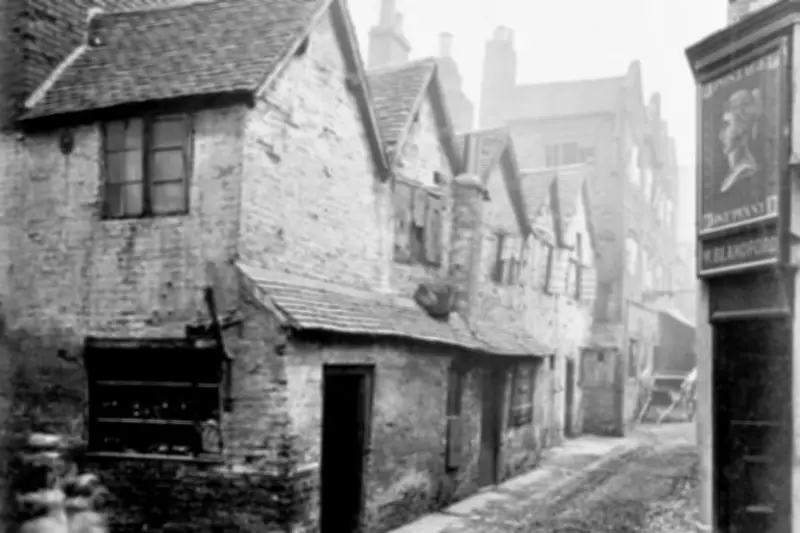
As Birmingham evolved into the vibrant metropolis we know today, numerous streets were lost to progress, with some residents even compelled to leave their ancestral homes. While a few streets persist under new identities, easily found online, others have been entirely erased by modern developments, surviving only in old census records and historical maps.
By comparing contemporary and historical maps, we uncover seven once-beloved streets that have disappeared from Birmingham's landscape over time.
Icknield Street, Sutton Park
Icknield Street, also known as Ryknild Street, is a Roman road that traverses Birmingham, including Sutton Coldfield. Originally called Icknield Street, it acquired the name Ryknild Street in the 12th century. Today, what remains is referred to as Icknield Street, but much of its historical path has faded from modern maps.

Chappell Street, City Centre
Previously known as Chappell Street in the 1500s, this thoroughfare was renamed Bull Street after the Old Bull Inn pub that once stood there. Located adjacent to Corporation Street, its original name has been lost to time, though the street itself endures under its new moniker.
Bartholomew Street (Digbeth Section Lost)
A section of Bartholomew Street in Digbeth has vanished due to urban changes. Once a bustling part of the area, it now exists only in archival documents, with its former route obscured by later developments.
Prospect Row
Prospect Row was present in the late 18th and early 19th centuries, but has since disappeared from Birmingham's map. Its exact location and history are now pieced together from old records, highlighting how quickly urban landscapes can transform.
George Street (Hockley – Lost in Redevelopment)
In Hockley, George Street was lost to redevelopment projects. Once a notable lane, it has been replaced by newer structures, erasing its physical presence and leaving only traces in historical accounts.
Bromsgrove Street Courts (Largely Cleared)
The Bromsgrove Street courts were largely cleared as part of urban renewal efforts. These courts, which once housed communities, have been demolished, with their memory preserved in old maps and census data.
Hospital Street (Ladywood Sections Now Cleared)
Sections of Hospital Street in Ladywood have been cleared, removing another piece of Birmingham's historical fabric. This street, like others, now lives on solely in archival research, a testament to the city's ongoing evolution.
These seven streets represent just a fraction of Birmingham's lost heritage, underscoring the dynamic nature of urban development and the importance of preserving historical records for future generations.