The year 1960 marked the dawn of a new and enlightened era for Birmingham, a city buzzing with post-war optimism and tangible change. From brand new housing developments to centuries-old traditions, the city was a fascinating blend of the modern and the historic. We take a nostalgic journey back 65 years through a series of captivating photographs that capture the spirit of the time.
A City of Work, Industry and Community
The industrial heartbeat of Birmingham was strong in 1960. In March, workers gathered for a crisis meeting at the vast Longbridge Works, a site synonymous with the city's manufacturing might. Meanwhile, at the Hamstead Colliery, miners continued to extract coal from what was once the world's deepest pit, before its eventual closure in 1965. The rhythm of the working day was evident outside factories like Joseph Lucas & Son on Great King Street, where workers queued for buses home.
Community life thrived in unique ways. Each September, the historic Onion Fair filled the Serpentine Grounds in Aston. This event, with roots in medieval Michaelmas fairs, once saw traders from as far as France selling onions to spice up basic meals. Over in Atherstone, women worked diligently in the wool felt section of the Denham and Hargreaves factory, showcasing another facet of local industry.

Culture, Leisure and the Landmarks of 1960
Birmingham's cultural and social scene was vibrant. Couples competed in the Dancing Competition Finals at the Tower Ballroom in Edgbaston, while music fans flocked to the Birmingham Hippodrome to see stars like singer Eddie Cochran, who signed autographs after his March concert. Cinema-goers bid a fond farewell to The Scala on its last day in June, raising a final toast with long-serving staff.
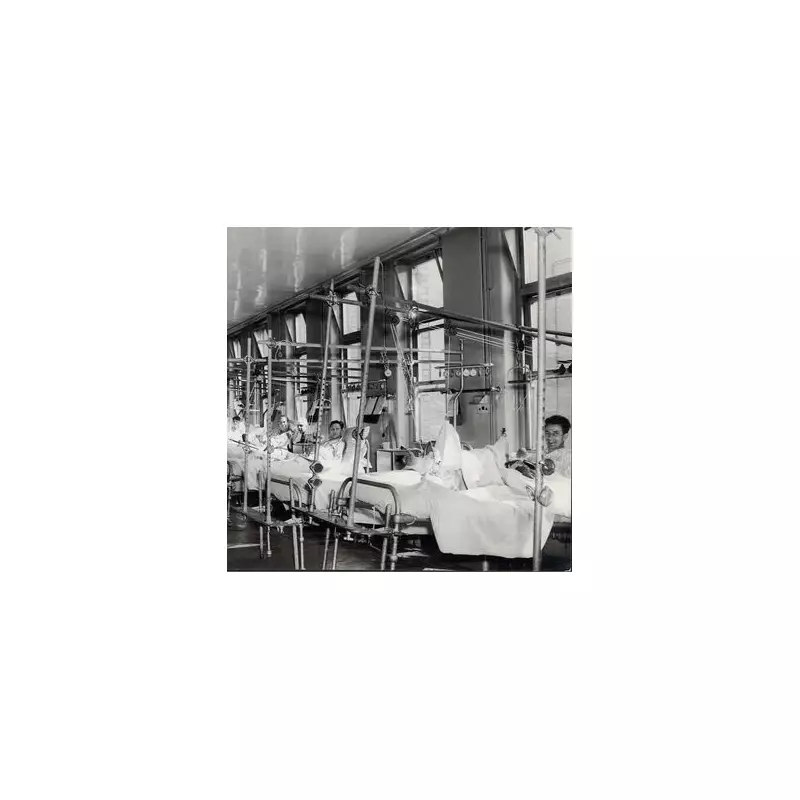
The city's landscape was evolving. Nechells Green Health Centre stood proudly amidst new, wide-open spaces, replacing the old back-to-back houses. The city's transport network was modernising too, with the Corporation Transport Undertaking road-testing a new lower 'Bridgemaster' bus for its fleet replacement programme. Meanwhile, the iconic Birmingham Reference Library on Ratcliffe Place, with its magnificent domed Victoria Hall, remained a bastion of knowledge.
Sport, Innovation and Glimpses of the Future
Sport provided thrilling moments. At Molineux, Wolverhampton Wanderers beat Aston Villa 1-0 in a fierce FA Cup clash in March. Over at Bromford, the favourite Port O'Christo won by six lengths in a July horse race. Cricket was also in the spotlight, with Australian captain Richie Benaud visiting Warwickshire's county ground ahead of the 1961 Ashes, and a young Dennis Amiss watching from the Edgbaston dressing room.
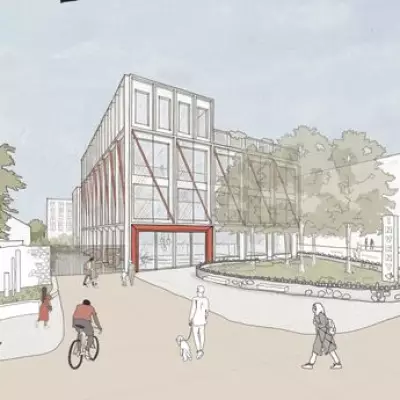
Signs of progress were everywhere. At the Kynock Works in Witton, Imperial Metal Industries was constructing a central water treatment plant in an early effort to clean the nation's rivers. The TyPhoo tea factory in Digbeth was still in operation, where tea tasters like Edward Pedvin sampled hundreds of cups daily, until its closure in 1978. That very site is now slated to become part of the BBC's Midlands studios, symbolising the city's continual reinvention.
From the snowy pitch at St Andrews to the steam trains at Whitacre Junction, and from the mobile library serving Worcestershire to the final days of Elmdon Airport, these images paint a rich portrait of Birmingham at a pivotal point in its story—a city firmly rooted in its industrial past yet confidently stepping into a new decade.