Campaign to Save Birmingham's Electric Cinema Gains Momentum
In a bold move to rescue a cultural landmark, Ian Francis, founder of the Flatpack Film Festival, is spearheading an ambitious plan to save Birmingham's historic Electric Cinema from demolition. The cinema, which dates back to 1909, has been at risk since Manchester-based property developer Glenbrook proposed replacing it with a 50-storey residential tower block. Francis and his team have developed a fully costed proposal to restore the venue as a functioning cinema and cultural hub, with an estimated cost of at least £10 million.
From Closure to Campaign: The Electric's Uncertain Future
The Electric Cinema closed suddenly in February 2024 when its lease ended, despite reports of healthy attendance. This triggered immediate concern among local residents and heritage advocates. Francis published a blog post shortly after the closure, highlighting Glenbrook's demolition plans and rallying support to prevent the loss of this iconic site. He emphasized the need for momentum and positivity to revive the cinema, countering defeatist attitudes in the city.
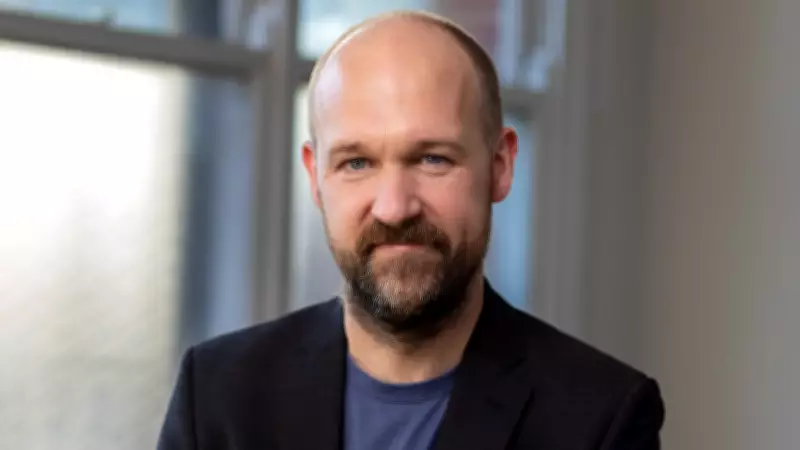
Francis, known for his reserved demeanor but passionate advocacy for cinema, has been working tirelessly with architects, heritage experts, and business consultants. Their efforts culminated in a £20,000 feasibility study funded by grants from the British Film Institute, John Feeney Charitable Trust, and the Architectural Heritage Fund. This two-year project explored viable alternatives to demolition, resulting in three detailed proposals crafted by Tim Ronalds Architects, a firm renowned for reviving heritage buildings across the UK.

Proposed Restoration: A Vision for the Electric and Station Street
The preferred plan envisions restoring the 1930s auditorium as the main screen, adding a basement bar and restaurant, an additional screening room, and a third-floor extension for events and co-working space. Key features include step-free access, modern toilets, improved ventilation, and the removal of modern partitions to reveal historic details like the original proscenium arch. Francis argues that the venue must be financially sustainable, incorporating hospitality and rental spaces to supplement film ticket sales.
Experts have praised the proposal. David Rudlin, an architecture professor and government advisor, called it a great scheme, while a CEO of an arts venue in north-west England described it as ambitious and well-considered. However, they noted that success depends on favorable rent terms and a long-term lease, with some cost estimates potentially being optimistic. Despite this approval, Glenbrook, the current owner, has yet to endorse the plan, leaving the cinema's fate uncertain.
Cultural Significance and Community Impact
The Electric Cinema holds a special place in Birmingham's cultural history, having hosted the Flatpack Film Festival for 18 years and serving as an art house venue since the 1990s. Francis discovered the cinema as a film student and credits it with helping him connect to the city. He believes preserving the Electric is not just about sentiment but about doing the right thing for cultural regeneration on Station Street, which could benefit from this revival.
With nearly 34,000 subscribers supporting local journalism initiatives like The Dispatch, there is growing public interest in quality reporting on such issues. Francis aims to raise funds from investors and the public to bring his vision to life, emphasizing that this effort is about more than saving a building—it's about fostering community and preserving Birmingham's unique heritage for future generations.