Birmingham Council Urged to Rebuild Trust as Druids Heath Regeneration Faces Legal Delay
Birmingham City Council has been called upon to strengthen its engagement with frustrated residents as a major regeneration project in Druids Heath encounters a significant setback due to a legal challenge. The ambitious scheme, which promises thousands of new homes, enhanced infrastructure, and improved transport links, has now been plunged into uncertainty following the council's request to the court to quash the original planning decision.
Community Concerns and Legal Action
The Druids Heath plans have proven deeply controversial, with local residents expressing fears about the project's impact on their community. Key concerns include the scale of demolition required and anxieties that existing residents could be priced out of the area. This tension culminated in residents threatening legal action towards the end of last year, demanding the council overturn its decision to grant outline planning permission.
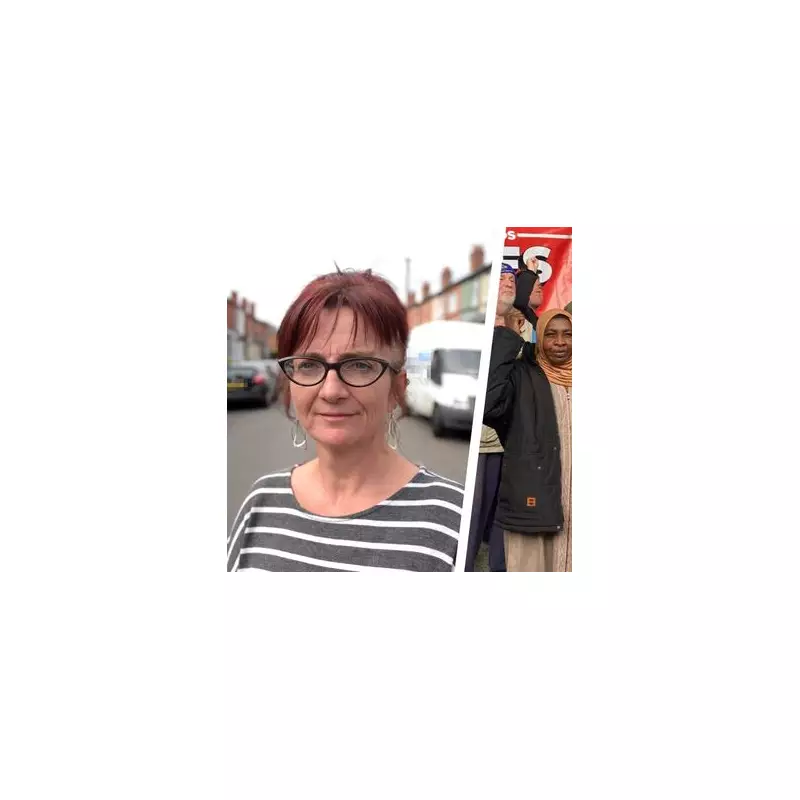
Central England Law Centre, representing local resident Alison Parr, has argued that the council failed to disclose the full Financial Viability Assessment when plans were approved. This assessment was crucial in justifying why only around 11 percent of the proposed 3,500 homes were designated as affordable housing, despite the council's commitment to deliver 51 percent affordable homes.

Elayne Hill, CEO of CELC, emphasised: "This case demonstrates why transparency matters. Where key information is withheld, communities are denied the opportunity to understand and scrutinise what is being proposed properly."
Calls for Improved Resident Engagement
Speaking at a recent council meeting, cabinet member for housing Nicky Brennan acknowledged that challenges would inevitably arise but reaffirmed the council's commitment to proactive problem-solving and achieving positive change in an area she described as needing and deserving investment.
However, councillor Lisa Trickett, chair of the homes scrutiny committee, argued that more could be done to engage with residents who had endured what she called a "torturous" period. "There are number of scars that we are yet to reconcile," she stated. "For some people whose homes are owned on that estate, these are their forever homes. Do not be surprised that they're angry, frustrated and upset and we need to be better at the way we respond to that."
Trickett emphasised that logical responses were insufficient, urging council officials to "reach out and relate to these people as individuals."
Financial Risks and Council Commitments
A council officer acknowledged both the need to rebuild trust and the financial risks associated with the scheme. She warned that if the regeneration project failed to proceed due to the planning challenge or other issues, both the council and construction company Lovell would incur costs already invested, though she assured that financial risks were being managed.
Councillor Brennan highlighted that 68 percent of residents supported the proposals, describing this as "huge for a regeneration scheme." She stressed that engagement and trust rebuilding must remain top priorities, asserting that Druids Heath deserved and needed the investment.
The council confirmed this week that it has requested the court quash the original planning decision following what it described as a challenge from a "small number of residents." This development means the scheme may need to undergo the planning process once again, potentially causing significant delays.
Transparency and Future Steps
A council spokesperson explained that should the planning application be quashed, the basis of the challenge would be addressed by making the Financial Viability Assessment public. They acknowledged that this document contained commercially sensitive information that could not be released during the procurement process to identify a preferred partner, which meant it was unavailable to the planning committee during their original decision.

"We know the community is keen to see regeneration plans move forward, and we regret the delays that this challenge causes," the spokesperson stated, particularly noting the impact on demolishing cleared tower blocks that cannot proceed without planning consent.
The council emphasised that over two years of community engagement had involved discussions with more than 1,000 residents. They maintained that the legal challenge outcome does not alter the affordable housing commitments, with Birmingham City Council and Lovell remaining dedicated to delivering 51 percent affordable housing and providing new homes for existing tenants as part of their partnership agreement.
October's planning meeting heard that extensive demolition was necessary because most homes in Druids Heath required millions of pounds in investment to meet even minimum standards. Despite the current challenges, the council insists its commitment to delivery remains firm, promising to progress the scheme through the planning process as soon as feasibly possible following the court's decision.