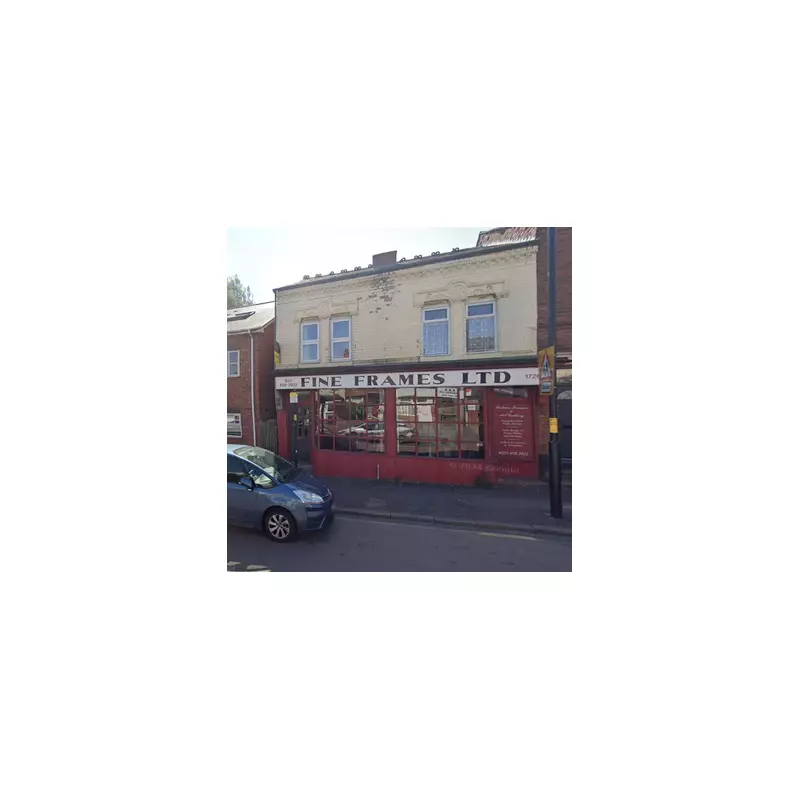
Controversial plans to turn a vacant shop in a south Birmingham suburb into a house in multiple occupation (HMO) have been recommended for approval for a second time, after the applicant provided new assurances over professional management.
Deferred Decision Leads to New Management Strategy
The application, seeking a change of use for the shop at 1726-1728 Pershore Road in Cotteridge into a six-bedroom HMO, was first heard by Birmingham City Council's planning committee in November last year. It faced significant opposition from local residents and councillors concerned about an over-concentration of such properties in the area.
At that meeting, MP Al Carns argued the neighbourhood was already struggling with the number of HMOs. Local objections cited fears that more HMOs would "undermine community cohesion". Councillors, including Gareth Moore and Colin Green, expressed strong reservations, with Green stating a preference for family housing over another HMO due to "the nuisance associated with them".

The committee, seeking more information on how the property would be managed, voted to defer the decision. Councillor Jane Jones highlighted the core concern, stating: "I can’t tell from this report whether the landlord is going to be responsible – is he going to provide support for his tenants?"
Applicant Provides "Strict Vetting" and Inspection Assurances
Ahead of a fresh committee meeting scheduled for Thursday, January 22, a new update has been issued. Council officers now recommend approval after the applicant, described as an "experienced provider of high-quality co-living accommodation for students and young single professionals", submitted a detailed management plan.
The key assurances provided include:
- The property will be managed by a dedicated, professional HMO management company.
- All prospective tenants will undergo "strict vetting".
- Monthly internal inspections will be conducted.
- Strict noise policies will be enforced.
A council officer concluded that the new information "provides assurances that the property will be managed in a professional manner with minimal impacts on the surrounding area" and offers a clear plan to deal with any issues.
HMOs vs. Exempt Accommodation: A Council Debate
The earlier debate revealed a broader council perspective on housing issues. Planning committee chair, Councillor Lee Marsham, argued that "HMOs are not the enemy", instead pointing to problems with supported exempt accommodation, which houses vulnerable adults.
The council's own report noted that within a 100-metre radius of the application site, just over seven per cent of dwellings (nine properties) are HMOs. This falls within a local policy threshold that permits such changes where the concentration does not exceed ten per cent. The report also stated there was no evidence to suggest the proposal would increase crime or anti-social behaviour and confirmed it would not be exempt accommodation.
The final decision now rests with the planning committee when it reconvenes to reconsider the application.