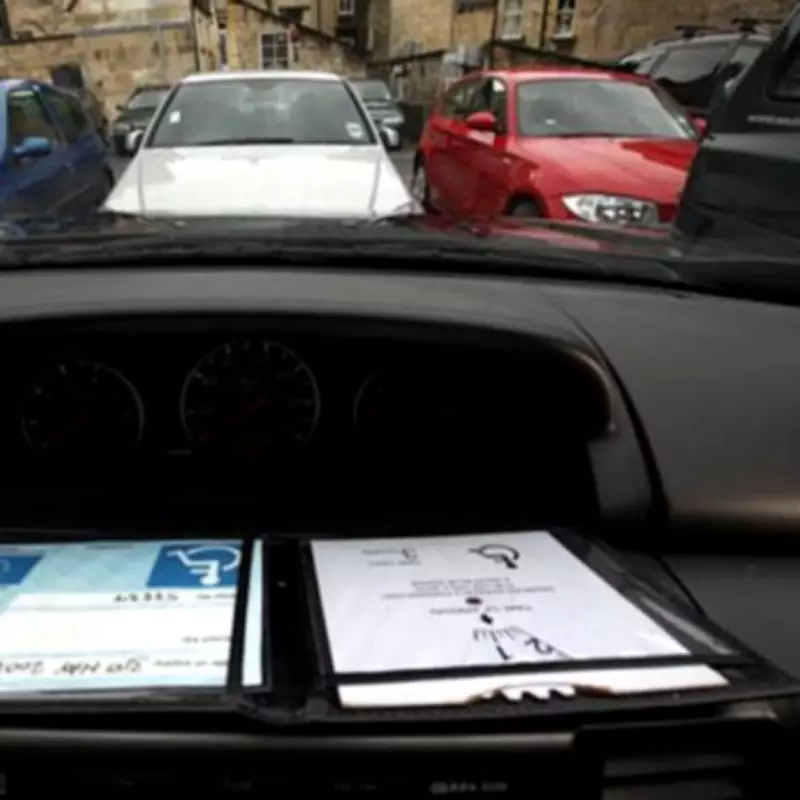
The Department for Transport (DfT) has been urged to crack down on the Blue Badge scheme, limiting eligibility to just two health conditions: Parkinson's disease and arthritis. The call comes amid a surge in the number of permits issued, raising concerns about misuse and fraud.
Background of the Blue Badge Scheme
The Blue Badge scheme is a joint initiative between national and local governments in the UK. The DfT manages the legal framework, eligibility criteria, and national concessions, while local councils administer the badges. In 2019, rule changes allowed people with “invisible” conditions, such as anxiety and ADHD, to apply, leading to a significant increase in the number of badge holders.
Concerns Over Misuse
Approximately 3 million people in the UK now hold a Blue Badge, including one in 15 adults in England. Critics argue that the system is being exploited, with badges handed out in thousands to individuals with conditions that may not require the same level of parking concessions. The Telegraph newspaper warned: “It is clear that urgent reform is needed. Badges are being handed out in their thousands by councils to those with anxiety and Attention Deficit Hyperactivity Disorder (ADHD).”

Proposed Restrictions
The paper cited two conditions that should continue to qualify: Parkinson's disease and arthritis. These conditions are seen as having clear, physical mobility impairments that justify the need for accessible parking. Other conditions, particularly mental health disorders, are being questioned as valid reasons for a Blue Badge.
Local Crackdowns
Some local authorities have already taken action. Croydon Council, for example, confiscated 70 Blue Badges in a six-month campaign against misuse. Executive Mayor of Croydon, Jason Perry, stated: “I am tackling antisocial behaviour across Croydon, and I want to reassure our residents that we are supporting them. To those who misuse Blue Badges or think the rules do not apply to them, there is zero tolerance. We are coming after you.”
The council has also removed illegal badges and unroadworthy vehicles from the streets, freeing up parking spaces for those who genuinely need them. Mayor Perry added: “Residents have been clear that they want tougher action, and the Council is responding. With these strong early results and positive feedback, the programme will now be expanded so that more illegal badges and unroadworthy vehicles are taken off Croydon’s streets.”
Future of the Scheme
The call for reform highlights the ongoing debate over balancing accessibility for those with genuine mobility needs against preventing abuse of the system. The DfT has yet to respond formally to the suggestions, but the pressure is mounting for a review of the eligibility criteria.