Solihull Council HMO Crackdown Labelled 'Cynical Election Ploy' by Reform Councillor
Solihull Council has unanimously backed plans to seek stronger powers to regulate Houses in Multiple Occupation (HMOs) amid growing concerns from residents. The cross-party motion aims to lower the licensing threshold from six to three occupants by pursuing an Article 4 directive, which would remove permitted development rights that currently allow landlords to convert family homes without planning permission.
Political Tensions Over Timing
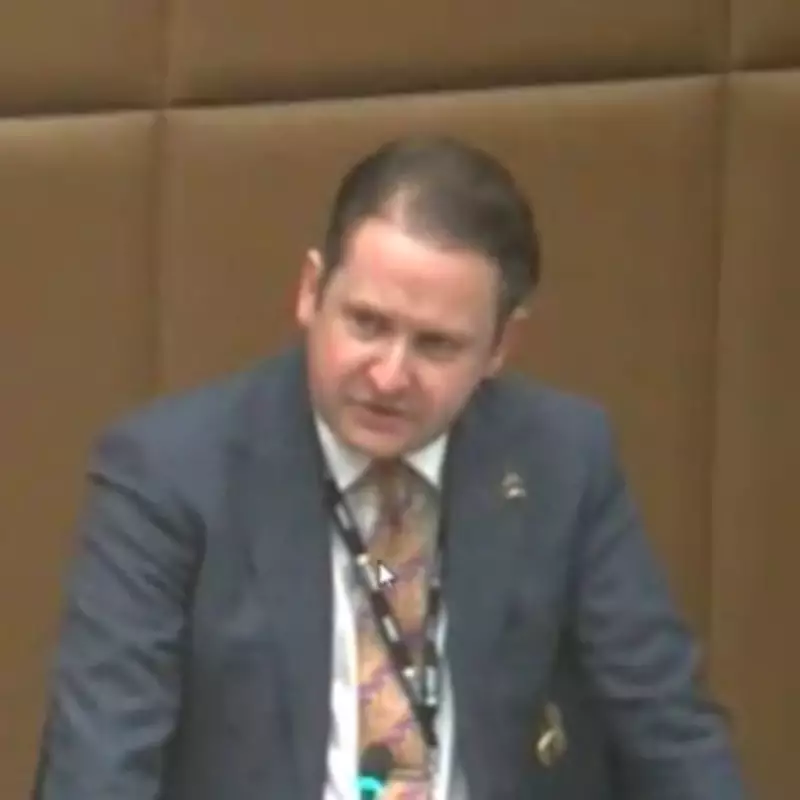
Conservative councillor Leslie Kaye supported the move, stating, "There are just over 100 licensed HMOs around the borough – the vast majority of them produce little complaints from residents. We notice the increasing concerns by residents – the council's current powers are limited." However, Reform councillor Alan Feeney accused the Conservative administration of cynical timing, saying, "This is a cynical attempt by the administration to grab headlines – this is gaslighting the public in the worst possible way."
Unanimous Support and Public Consultation
The motion passed with cross-party support at the Civic Suite meeting on April 14, despite political tensions over its timing weeks before May's local elections. The council also plans to launch a public consultation to gather opinions from residents and interested parties on the proposed changes. This step aims to ensure community input shapes the final policy, addressing both housing needs and resident concerns.

Key Points of the HMO Crackdown:
- Lowering the licensing threshold from six to three occupants to increase regulation.
- Implementing an Article 4 directive to remove permitted development rights for landlords.
- Launching a public consultation to involve residents in the decision-making process.
- Addressing growing resident concerns about HMOs in the borough.
The debate highlights the balance between housing policy and political strategy, with the council moving forward despite accusations of electioneering. As Solihull prepares for local elections, this issue remains a focal point for discussions on community safety and urban planning.