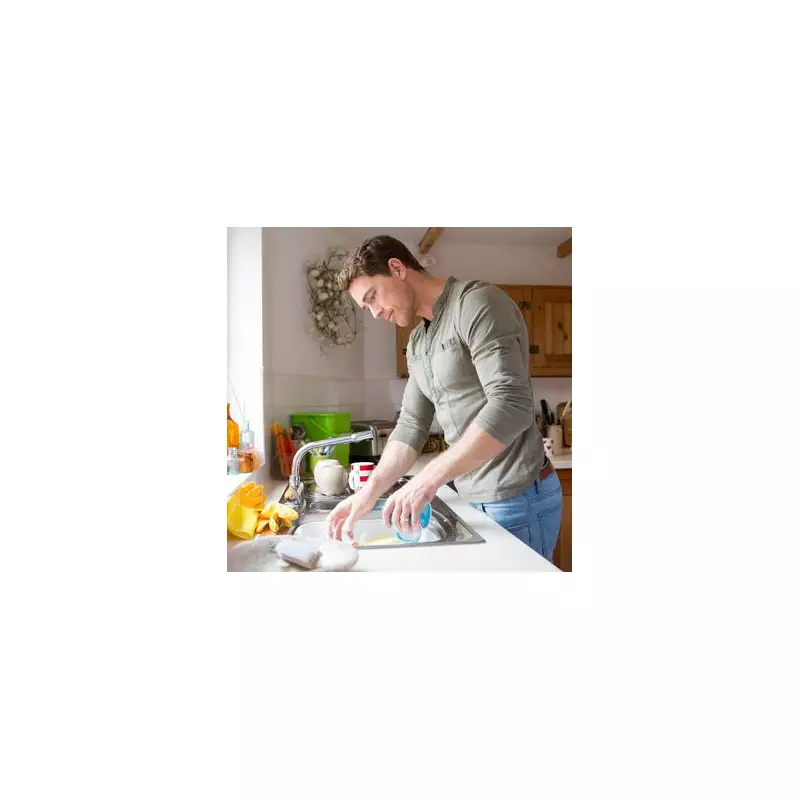
Homeowners across the UK are being issued a critical warning this winter: stop pouring boiling water down your drains. This common practice, often used to clear blockages, is causing significant damage to modern plumbing systems, according to specialists at Plumbworld.
The Hidden Danger to Your Pipes
As temperatures plummet across the country, with forecasts of snow and ice, the strain on household plumbing increases. The firm cautions that using boiling water to clear pipes during these colder months is particularly harmful. Most contemporary UK homes are fitted with PVC pipes, which cannot withstand extreme heat.
When boiling water meets these plastic pipes, the sudden temperature shock can cause the material to soften, distort, or even melt. Furthermore, the adhesive that bonds pipe joints can weaken, and crucial rubber seals may deteriorate. This damage often occurs out of sight, behind walls or under sinks, leading to leaks that can go undetected until substantial harm is done.

Why Winter Makes the Problem Worse
Cold weather naturally causes pipes to contract. A sudden surge of boiling water exacerbates stress on these already vulnerable sections. This dramatically increases the risk of cracks, loose joints, and slow, insidious leaks that can seep into floors and cupboards, causing costly structural damage.
While older properties with cast iron pipes might handle heat better, most modern systems include plastic connectors and fittings that remain highly susceptible. Even if part of the pipework is metal, the surrounding seals, adhesives, and joints are not designed to endure high temperatures.
Safer Alternatives for Clear Drains
Adding to the problem, boiling water is largely ineffective at solving the issue people intend to fix. Many believe it will dissolve greasy blockages, but it often has the opposite effect. Thick obstructions composed of soap, fat, or food waste don't fully dissolve. Instead, the boiling water can force the blockage deeper into the system, creating a more severe and expensive problem to remove later.
Instead of reaching for the kettle, Plumbworld recommends these safer and more effective methods:
- Use warm tap water (not boiling) to clear lighter build-ups.
- Allow cooking water to cool slightly before disposing of it down the sink.
- For stubborn blockages, use a sink plunger to dislodge debris.
- Employ a drain snake or auger to break up or remove clogs without damaging the pipework.
Taking these preventative measures can help homeowners avoid emergency call-outs and protect their properties from hidden water damage during the challenging winter season.