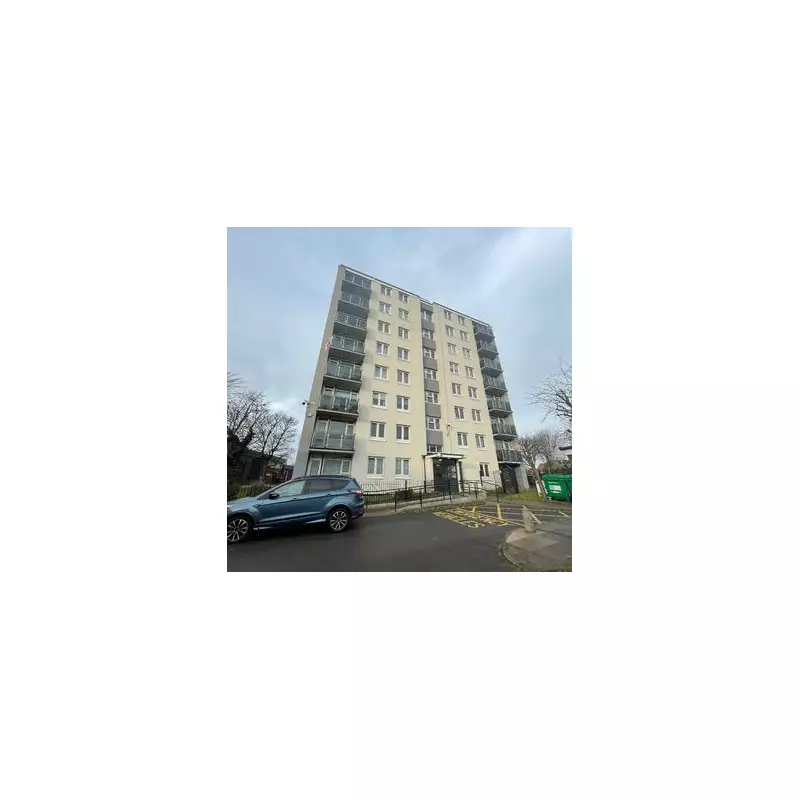
Residents in two Walsall tower blocks have been hit with energy bill increases of up to 400% after the installation of a new central heating system, leaving them with no option to find a cheaper supplier.
From Subsidy to Soaring Costs
The crisis centres on Woodall House and Hamilton House in Bloxwich, where a central heat network was installed in 2021, replacing individual boilers in each flat. The system is operated by their landlord, the Walsall Housing Group (WHG), which is now legally required to act as the sole energy provider for the buildings.
For several years after installation, tenants benefited from a heavily subsidised rate of just 4p per kilowatt-hour (kWh). WHG covered the shortfall using its general rental income. However, following an independent review, that rate has now been set at 17.67p/kWh to reflect the true cost of the energy supplied.

Financial Strain and Feeling 'Betrayed'
The change has caused immediate and severe financial hardship. Bills have tripled or quadrupled overnight. Some residents who previously paid an average of £120 per year now face estimated annual costs exceeding £500.
Tenants have expressed a sense of betrayal, describing themselves as "second-class" citizens. They feel the heat network was imposed on them and now leaves them trapped. Crucially, they cannot switch to a different energy provider for a better deal and are not protected by the Ofgem energy price cap that applies to most UK households.
WHG's Response and a Local Monopoly
A WHG spokesperson acknowledged the difficulty the price rise poses but stressed the decision was not taken lightly. They clarified that the previous low charge was sustained for years by significant subsidies from rent payments across their portfolio.
The group stated the new charge is set strictly to recover the cost of the energy used, with no added fees for administration or capital costs. They argued that continuing the subsidy would mean other tenants paying rent would have to cover the growing shortfall.
WHG confirmed it never intended to become an energy supplier but is compelled to do so by regulations governing heat networks. While recognising it now holds a local monopoly on supply for these blocks, it pledged to continue supporting affected tenants with budgeting and help accessing benefits.