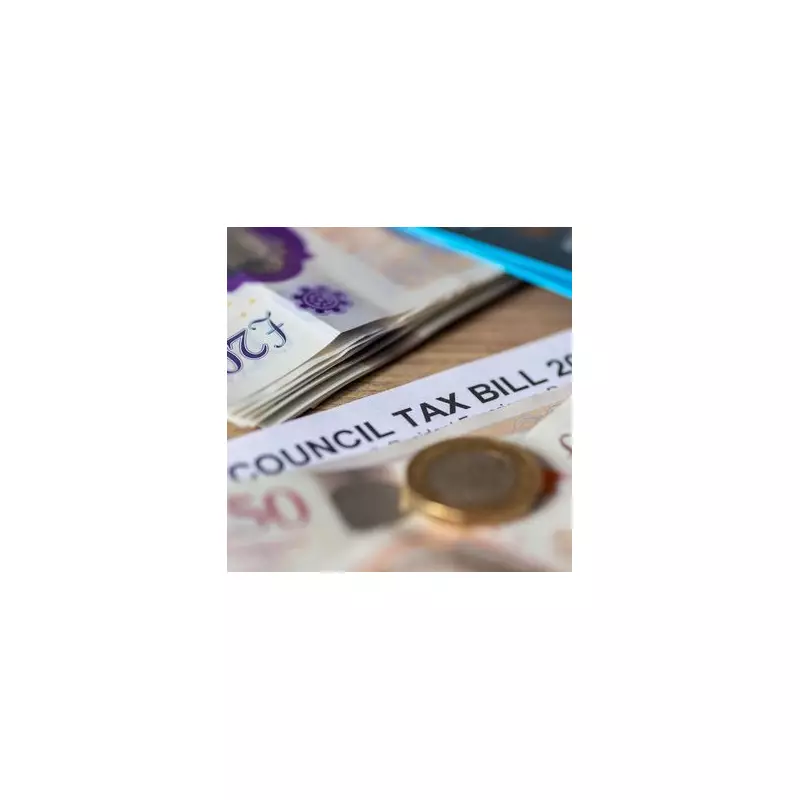
Hundreds of empty properties in Worcester could soon face a significant council tax surcharge as the local authority seeks to tackle housing shortages.
Council Considers New Powers
Worcester City Council is actively examining the possibility of implementing powers that allow local authorities to charge additional council tax on properties that have remained unoccupied for at least twelve months. This potential policy change comes as the council looks at ways to bring empty homes back into productive use within the community.
The shift follows recent legislative changes under the Levelling Up and Regeneration Act 2023, which reduced the qualifying period for charging premiums from two years to just one year. Councils have possessed the ability to impose extra charges on empty homes since 2013, but the updated legislation provides greater flexibility to address housing issues more quickly.

Current Situation and Financial Impact
According to official council figures, there are approximately 200 Band D properties in Worcester that have stood empty for between twelve and twenty-four months. These properties would become immediately liable for the proposed premium if the policy receives approval.
Properties in Worcester already face escalating charges based on their vacancy duration. Homes empty for two to five years currently attract a 100% council tax premium, while those vacant for five to ten years face a 200% surcharge. The most severe penalty of 300% applies to properties left unoccupied for more than a decade.
Housing officers estimate that extending the Long Term Empty Homes Premium to properties vacant for more than twelve months could generate up to £445,000 in additional council tax revenue. Of this amount, Worcester City Council would receive approximately £44,000, representing its 10% share of locally collected council tax.
Distribution of Funds and Next Steps
The remaining council tax revenue would be distributed among other local authorities and services. Worcestershire County Council receives the largest portion at 72%, while West Mercia Police obtains 13% and Hereford and Worcester Fire and Rescue Authority collects 5%.
The proposal is scheduled for debate by Worcester City Council's policy and resources committee members on Tuesday, 18 November. While committee approval would represent a significant step forward, the measure requires final authorization from the full council, which convenes the following week.
Council officials have previously acknowledged that addressing empty homes can prove challenging and resource intensive, despite having enforcement powers such as compulsory purchase orders. Bringing vacant properties back into use remains outside councils' statutory duties, making proactive measures like the tax premium particularly important for improving housing availability in the city.