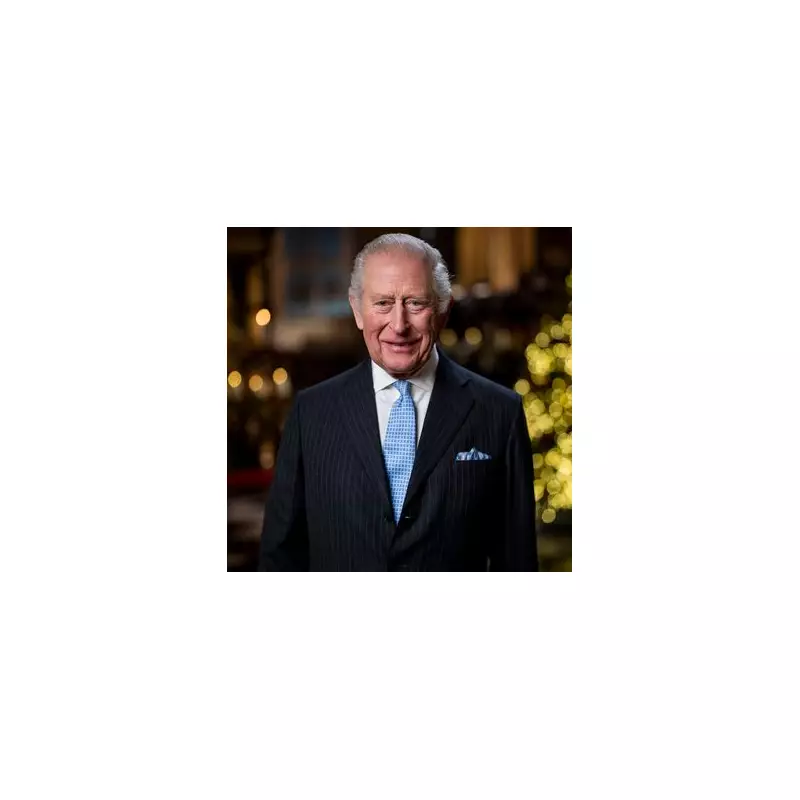
While King Charles III prepares to bestow accolades upon a new cohort of notable individuals in the King's New Year Honours 2026, a parallel narrative exists of celebrated figures who have famously declined such royal recognition. The British honours system, rooted in medieval chivalry, aims to acknowledge exceptional public service and achievement across fields from the arts to science. Yet, for a variety of principled and personal reasons, some of the nation's most iconic personalities have chosen to say 'no thank you' to an MBE, OBE, CBE, or even a knighthood.
Principle and Protest: The Political Refusals
For many, the decision to reject an honour is a deeply political act. The late Birmingham-born poet Benjamin Zephaniah publicly refused an OBE in 2003. He stated the word 'empire' in the award's title was a brutal reminder of slavery and colonialism, declaring himself "profoundly anti-empire." Similarly, filmmaker Ken Loach turned down an OBE in 1977, criticising the system's connection to monarchy and empire as "despicable."
John Lennon initially accepted an MBE in 1965 but returned it four years later in protest against Britain's foreign policy in Nigeria-Biafra and Vietnam. In a more contemporary example, actor Michael Sheen made the decision to return his 2009 OBE in 2017 after delving into the complex history between England and Wales, feeling he could no longer in good conscience hold the award.

Humility and Collective Effort
Other refusals stem from modesty or a belief that credit should be shared. Celebrity chef Nigella Lawson declined an OBE in 2001, feeling she was merely doing a job she loved, not saving lives. Comedy duo Dawn French and Jennifer Saunders refused OBEs the same year, believing their comedy work didn't merit standing alongside those devoted to truly worthy causes.
Director Danny Boyle turned down an honour for his role in the spectacular London 2012 Olympics opening ceremony, insisting it was the result of a collective effort by thousands. Actor Jim Broadbent snubbed an OBE in 2002, arguing that honours should go to those who help others and that actors should remain "vagabonds and rogues" outside the Establishment.
Personal Choice and Private Lives
For some, the refusal was a matter of personal principle or privacy. The legendary musician David Bowie was clear he never wanted a knighthood, stating it was "not what I spent my life working for." Painter L.S. Lowry is said to have rejected multiple honours, including a knighthood, preferring to avoid the public attention and keep his name unchanged.
Stephen Hawking reportedly turned down a knighthood in the 1990s, with suggested links to government science funding cuts. George Harrison declined an OBE in 2000, with friends suggesting he was insulted at being offered a lesser honour than the knighthood received by fellow Beatle Paul McCartney.
The list of those who refused extends across decades and disciplines, including author Roald Dahl, who rejected a knighthood in 1986; John Cleese, who dismissed a CBE as 'silly' in 1996; and former Sex Pistols frontman John Lydon, whose anti-establishment anthem 'God Save the Queen' made his refusal of an MBE a foregone conclusion. As the 2026 honours list brings new names into the spotlight, the stories of these notable refusals remain a powerful testament to the complex relationship between public recognition, personal integrity, and the legacy of the crown.