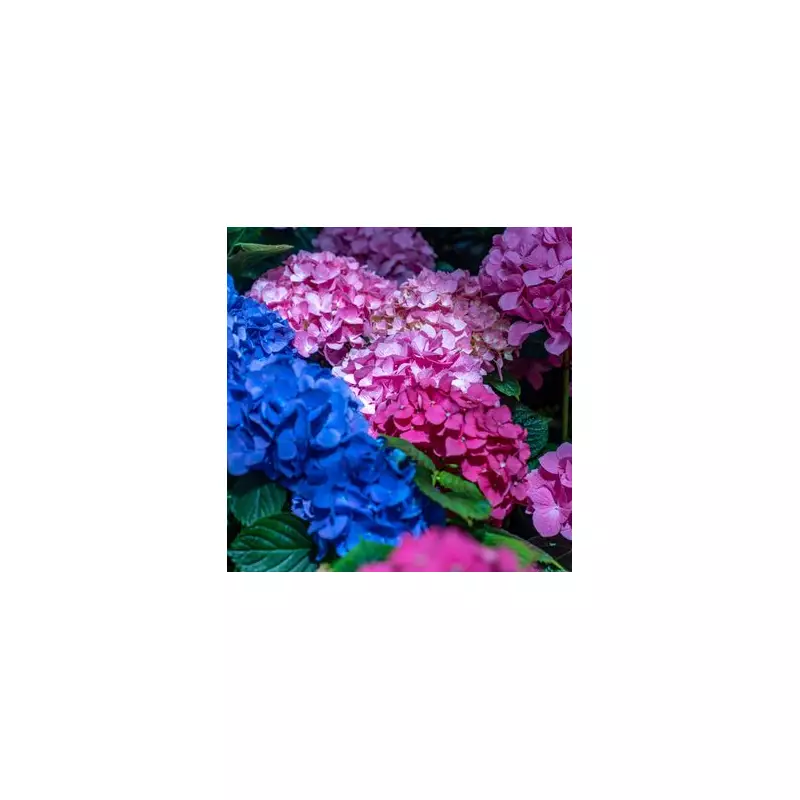
Hydrangeas are beloved for their spectacular summer displays, transforming gardens with their large, colourful blooms that evolve from vibrant summer hues to delicate winter flowerheads. While pruning is crucial for maintaining healthy, flourishing plants, timing is everything when it comes to these popular shrubs.
The Critical Pruning Mistake to Avoid
One common error that gardeners frequently make is pruning hydrangeas during the winter months, particularly in January. This mistake can result in plants failing to produce flowers altogether, as demonstrated by a recent case shared in gardening communities.
Matthew Roberts, a gardener who sought advice from the Hydrangeas in the UK Facebook group, explained his experience after following questionable pruning advice. "My hydrangea has struggled to blossom over the last couple of years," he wrote. "The only thing I can think I have done differently was to be quite 'keen' on pruning back both plants a couple of years ago under the advice of a landscape gardener."

Despite developing into large, healthy-looking plants with abundant green foliage, Roberts' hydrangeas produced little to no flowers following aggressive winter pruning, highlighting the importance of proper timing.
Understanding Hydrangea Macrophylla
The most common hydrangea variety in UK gardens, hydrangea macrophylla (big leaf hydrangea), flowers on "old wood" - meaning blooms develop on stems that grew during the previous season. When gardeners prune these plants in winter or early spring, they inadvertently remove the buds that would have produced that year's flowers.
Holly Maidens, a member of the hydrangea community, clarified this crucial point: "This one in the photo is a macrophylla; they typically bloom on old wood, which means the flowers this year will come from these stems. If you trim them, you'll have no blooms this year."
When to Prune Hydrangeas Properly
For optimal flowering displays, hydrangea macrophylla should be pruned shortly after blooms have faded in late summer. This timing gives the plant sufficient opportunity to produce new growth where next year's flower buds will form.
Julie Prescott shared her successful approach: "I never prune mine and get glorious blooms every year. I just deadhead in spring, then just leave them alone. Try it and see what happens."
Alternative Approaches to Hydrangea Care
For gardeners concerned about controlling plant size without sacrificing blooms, several strategies exist:
- Deadheading instead of pruning: Remove spent blooms in spring without cutting back stems
- Selective pruning: Cut back one-third of stems each year, accepting reduced flowering on those sections
- Rejuvenation pruning: For overgrown plants, prune after blooming ceases in spring/early summer
Wendy Hocking recommended: "I wouldn't touch it this year, blooms develop on last year's stems, so any cutting back from now will be removing the flower buds."
Luis Lluch added detailed advice: "These buds are located at the ends of the stems, so this species of hydrangea is best sited where it can attain its estimated size at maturity and then rarely pruned. Deadheading of spent blooms - not the same as pruning - can be done safely without impacting blooming."
Practical Gardening Advice
To deadhead hydrangeas properly, cut above the first pair of leaves below the spent bloom. If stems are leafless, simply cut the string attaching each bloom to the stem. This maintenance can be performed at winter's end or skipped entirely, as blooms will naturally drop on their own.
For gardeners facing space constraints with hydrangeas threatening to overwhelm their gardens, the consensus among experts is clear: avoid January pruning, understand your specific hydrangea variety's needs, and consider alternative size-management strategies that preserve those coveted summer blooms.