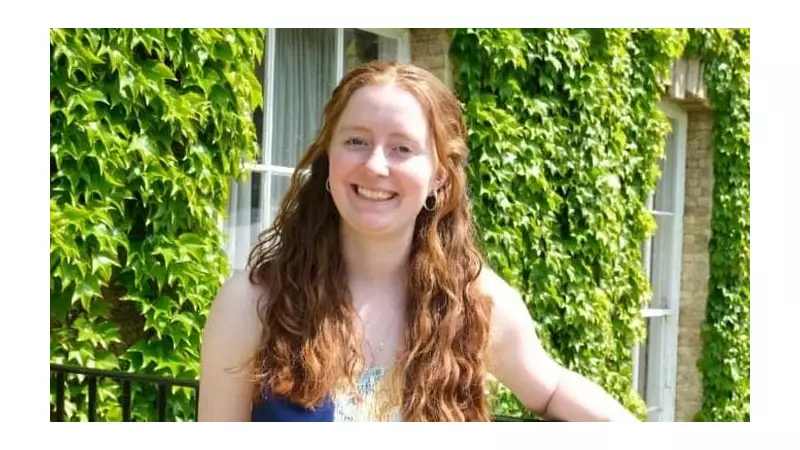
For many, the subject of death is shrouded in fear and avoidance. For Charis Boyce, a 26-year-old funeral professional, it has been a source of lifelong curiosity and a calling. Her journey into the funeral industry, a field many shy away from, began with a profound childhood experience and culminated in formal qualifications from the British Institute of Embalmers.
An Early Encounter Shapes a Future
Charis's unique perspective was forged at the age of six during a visit to her great grandmother in a chapel of rest. Far from being frightening, she found the atmosphere "quite tranquil and peaceful." This early exposure planted a seed. "That was probably the point where I became curious about death but also wasn’t really scared of it," she reflects, "even then I saw it as the next stage of life." This foundational belief that peace can exist within pain guided her path forward.
Her academic studies at university further deepened this interest. Focusing on religion, philosophy, and ethics, she explored how different cultures and faiths perceive death and the vital role rituals play in healthy grieving. "I’ve always been interested in the things that other people shy away from," Charis admits. A pivotal moment came in early 2018, during her first year at university, when she attended a funeral for her father's friend. The dignified, well-organised, and respectful nature of the ceremony resonated deeply. "It just clicked for me," she says, fascinated by how profound emotion could be channelled through structured care.

Embracing the Apprenticeship: From Office to Embalming
After graduating, Charis took a decisive step by beginning an apprenticeship with the Nottingham-based firm, AW Lymn The Family Funeral Service. Initially drawn to the administrative side of the business, her curiosity soon expanded. The comprehensive apprenticeship scheme offered hands-on experience and formal qualifications across a wide range of funeral disciplines.
The training covered areas including:
- Pallbearing and driving
- Stonemasonry
- Embalming theory and practice
It was the embalming module that proved to be unexpectedly transformative. "I didn’t go into it thinking I’d enjoy embalming," Charis confesses, having initially believed she was better suited to office work. The training was rigorous, covering historical context, human anatomy, and the contemporary reasons for the practice. She emphasises the solemn responsibility: "You can’t just practise on people. Every aspect has to be done with the highest level of respect and care."
A Career Built on Dignity and Support
Charis successfully passed all five theory modules and two challenging practical exams, receiving her formal certificate last year. While she doesn't use embalming skills in her current day-to-day role as a funeral arranger, she values the profound understanding it gave her. "It gave me a completely different understanding of care and dignity for the deceased," she states.
Her career is a testament to an early willingness to confront life's ultimate reality and a sustained desire to guide others through it. Charis Boyce’s story challenges stereotypes, showing how a childhood fascination can mature into a compassionate and skilled profession dedicated to providing solace and meticulous care during life's most difficult moments.