Nestled within the Royal Town of Sutton Coldfield, the suburb of Four Oaks stands as one of Birmingham's most affluent and desirable neighbourhoods, where residents cherish a quiet, community-focused life they wouldn't trade for anywhere else.
A Landscape of Discreet Prosperity
The financial distinction of Four Oaks is immediately clear. Over the past year, the average house price here has reached £495,916, according to property portal Rightmove. This figure is striking when compared to the Birmingham-wide average of £254,227, meaning homes in this enclave command a premium of almost double.
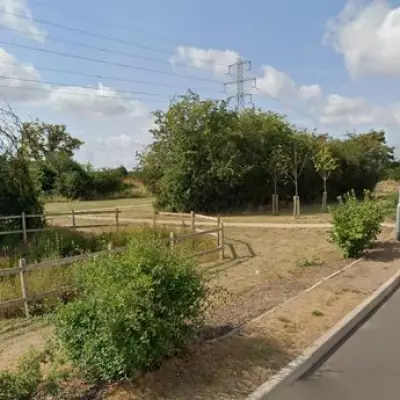
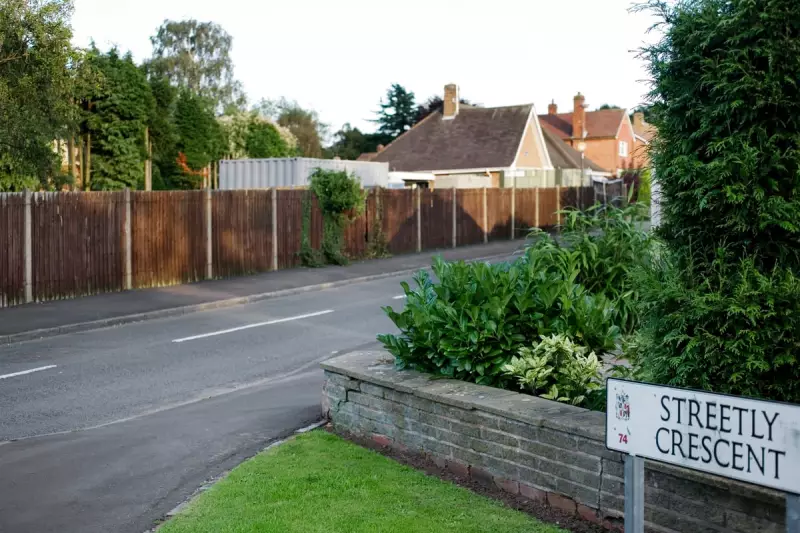
This wealth is worn lightly. The area is characterised by sprawling, often architect-designed properties set along tree-lined avenues, with manicured gardens and tall hedges providing seclusion. Its roots are deep, evolving from royal hunting grounds, with many homes built before the First World War and roads named for aristocrats, lending an air of established, old-money charm.

The Heartbeat at Mere Green
Daily life for many residents revolves around Mere Green, the suburb's bustling hub for shopping and dining. Located just down from the railway station, it's where the community gathers to run errands, meet for coffee, and maintain the rhythm of local life. During a visit in August, the area was noted for its obvious buzz, with busy cafés, thriving shops, and steady footfall.
Residents appreciate the convenience. One woman, who has lived in Four Oaks for over a decade, stated her move was prompted by the quality of schools and housing. "I’ve been here over 10 years now, and for me it’s pretty much stayed the same and if not got better in terms of shops and facilities," she shared.
Preservation Versus Progress
This desire to maintain the area's character frequently places Four Oaks at the centre of planning debates. A 2019 proposal to install gates at all eight entrances to the Four Oaks Estate sparked fierce local disagreement over safety versus social exclusion, and was ultimately refused by Birmingham City Council.
The tension between preservation and evolution continues. New infill developments and regeneration proposals divide opinion, with some advocating for no change while others accept its inevitability. The pace of change, however, remains slow. There are no high-rise blocks or student flats, and housing turnover is limited. This stability is a key part of its appeal, though nearby large-scale projects, like the Langley development, raise concerns about increased pressure on traffic and local infrastructure.
Voices from the Community
Speaking to locals reveals a deep-seated appreciation for the area's qualities, alongside minor critiques. One resident praised the range of shops at Mere Green but lamented the decline of traditional independent retailers, saying, "They could do with individuals, that's what I miss. Most people my age [miss the] butchers, bakers."
Another highlighted strong family ties, having moved back to the area where her husband was born. She offered a different perspective on the shift to bigger brand shops, commenting, "There used to be a lot more local shops and now it’s bigger brands, but it’s better now. This area has been regenerated."
Ultimately, Four Oaks presents a paradox. It is a place of undeniable privilege and quiet confidence, where the houses and hedges speak for themselves. Yet, even within this secure, leafy haven, the pressures of a growing city are encroaching. The central question for its residents remains whether this unique suburb can retain its untouched charm and tight-knit community feel in the years to come, or if change will gradually reshape the neighbourhood they are so reluctant to leave.