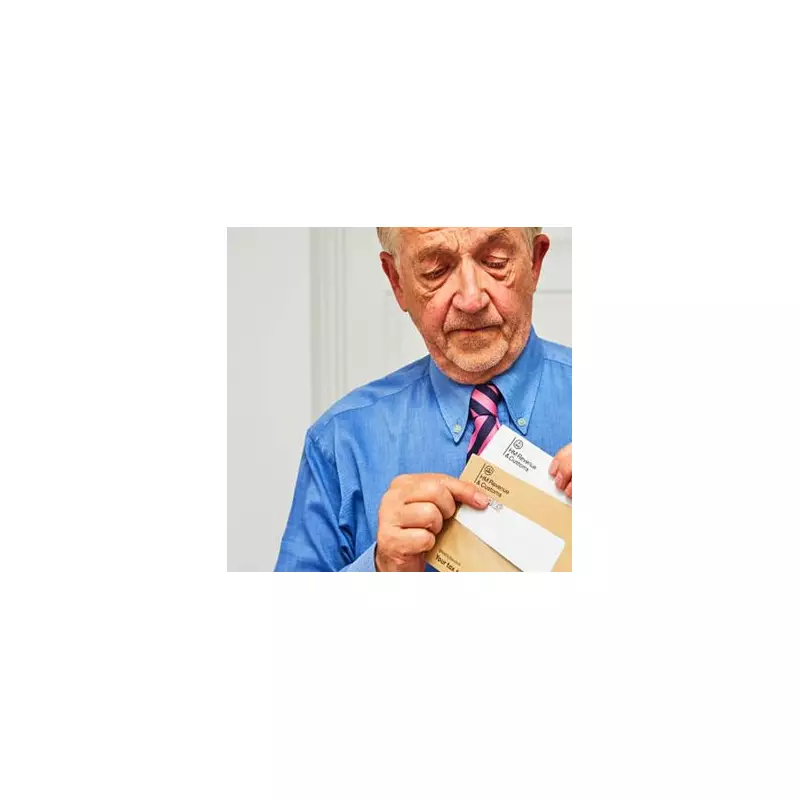
Millions of state pensioners across the UK are set to be pulled into paying income tax due to a prolonged freeze on personal allowances, a move branded as "deeply regrettable" by leading charities.
Threshold Freeze Locked In Until 2031
Chancellor Rachel Reeves has confirmed the extension of the freeze on income tax thresholds for an additional three years. This policy, initiated by the previous government, will now remain in place until at least the 2030/31 tax year, effectively locking the point at which people start paying income tax at £12,570.
The decision comes as the full new state pension is due to rise by 4.8% to £12,548 a year from April 2025, bringing it to within just £22 of the tax-free Personal Allowance. With the allowance frozen, even modest future increases under the Triple Lock will push pensioners over the threshold.

Charity Warns of Hardship for Older People
Caroline Abrahams, Charity Director at Age UK, issued a stark warning. She stated that the government's policy will "drag more older people into paying income tax," including those on low and modest incomes who are already struggling with rising living costs.
"This is deeply regrettable," Abrahams said, emphasising that the Triple Lock on pensions is "more important than ever" to provide a buffer against high food, energy, and housing prices. She strongly criticised the idea of simply issuing tax demands to low-income pensioners, calling such an approach "unthinkable."
Proposed 'Fix' Labelled Unfair and Unworkable
In response to the looming issue, the government announced in its Budget that it would explore ways to prevent pensioners from paying tax if their only income is the state pension from 2027/28 onwards. However, this proposal has been met with significant criticism.
Former Pensions Minister Steve Webb, of the Liberal Democrats, argued the plan "risks being unfair and unworkable." He highlighted several major flaws:
- Unfairness between pensioners: The proposal would favour those solely on the new state pension, while millions of existing pensioners with incomes already above the threshold receive no such protection.
- Penalty for savers: It would protect pensioners with no private income but penalise those who saved modest amounts, as even a small private pension would make them liable for tax.
- Unfairness to workers: An employee on the same income as a protected pensioner would pay both income tax and National Insurance, creating an inequitable disparity.
Webb also noted the absence of a formal cost for the policy in the Budget, suggesting it is merely an "idea" rather than a concrete plan. He concluded that devising a scheme that is both practical and fair will be "incredibly difficult" for the Treasury.
The situation leaves many pensioners facing a future of increased financial pressure, with the extended freeze ensuring the taxman will take a growing bite from their state pension for years to come.