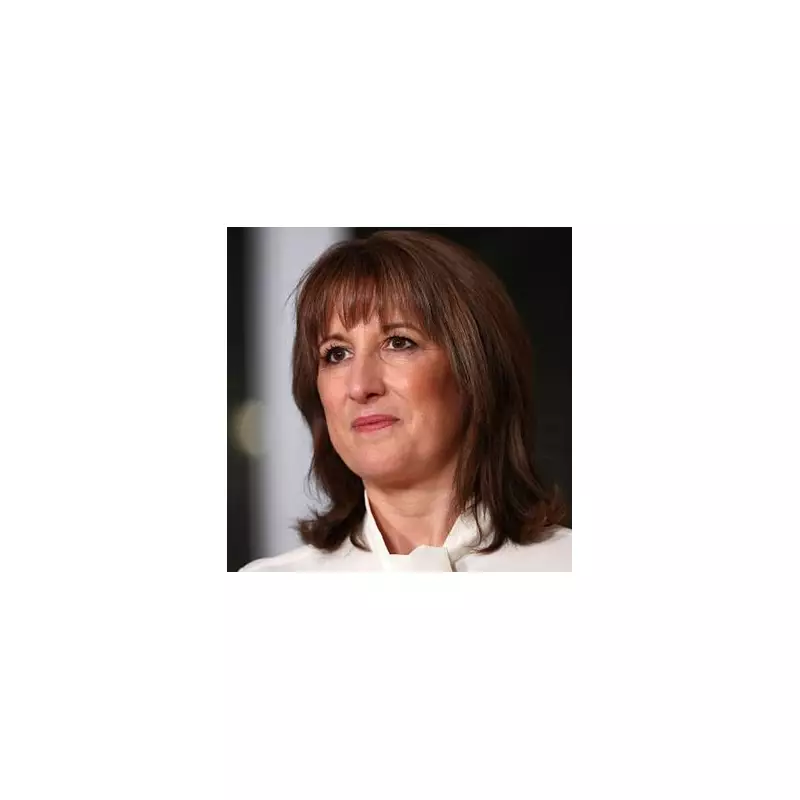
Chancellor Rachel Reeves has intervened to protect the UK's poorest pensioners from an impending tax hit, confirming new rules that will shield those who rely solely on the state pension.
Tax Relief for Lowest-Income Retirees
In a significant announcement, the Chancellor stated that retirees whose only source of income is the state pension will not have to pay income tax for the duration of the current Parliament. This move directly addresses growing concerns that frozen tax bands would soon force millions of pensioners to start paying tax as the state pension amount rises.
The issue stems from the policy of freezing income tax thresholds, a mechanism known as fiscal drag. With the full new state pension – claimed by those who retired after April 2016 – projected to exceed the personal allowance of £12,570 in 2027, retirees were facing an automatic tax bill on their pension income for the first time.

Pressure Mounts on the Chancellor
This looming change had been piling considerable political pressure on Rachel Reeves, as it would have disproportionately impacted the poorest pensioners with no other savings or private income. The prospect sparked widespread criticism from campaigners and opposition parties.
The Chancellor made the decisive announcement during an interview with consumer champion Martin Lewis. She explicitly promised that "in this Parliament, they won't have to pay the tax," offering immediate reassurance to millions of pensioners.
Important Caveats and Wider Impact
However, the new rule comes with a crucial limitation. The tax exemption applies only to those whose sole income is the state pension. This means that retirees who have even a small additional income from a private pension will still be liable for income tax once their total income surpasses the personal allowance.
The decision highlights the ongoing tension between government fiscal policy and the cost of living for vulnerable groups. While it offers targeted relief, the broader issue of fiscal drag remains, continuing to pull more households into higher tax brackets as wages and pensions increase while thresholds stay static.
Rachel Reeves's announcement provides a clear, temporary reprieve for the most financially vulnerable pensioners, effectively drawing a line under one of the most contentious personal finance issues facing the government as it navigates the country's economic challenges.