Millions of state pensioners in the UK are set to encounter a significant shift in how their income is taxed, following a new policy announcement from the Labour government. The change, scheduled for 2027-28, aims to simplify tax administration but has immediately sparked warnings of an emerging 'two-tier' system among retirees.
The Core of the New Tax Rule
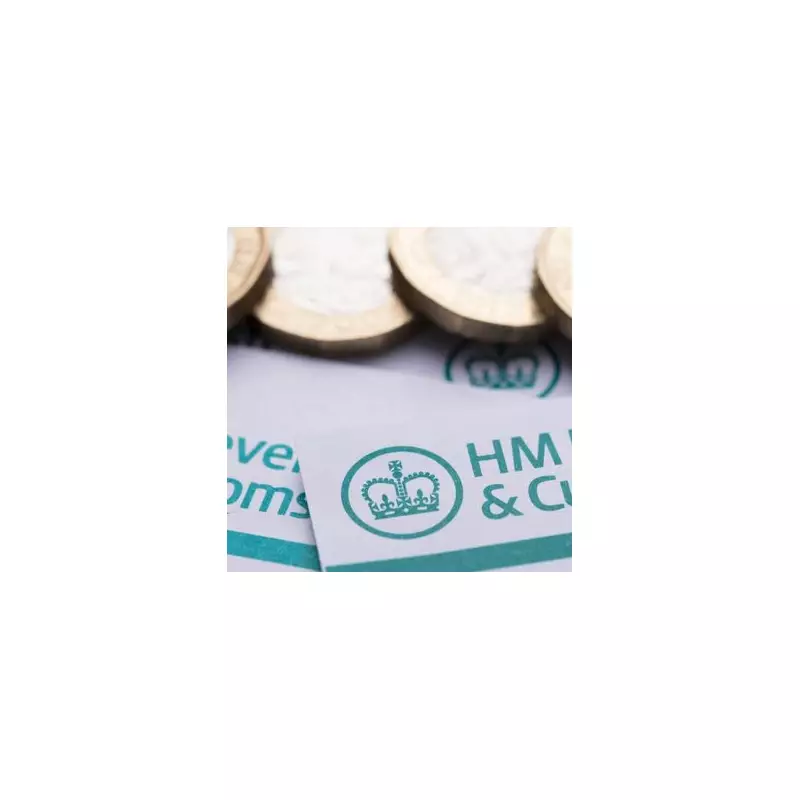
The central policy shift promises to "ease the administrative burden" for pensioners whose only source of income is the basic or new state pension. From the 2027-28 tax year onwards, these individuals will not be required to pay tax via a simple assessment, even if their state pension exceeds the personal tax allowance.
This move directly addresses a looming issue caused by fiscal drag – the freezing of income tax thresholds. The new state pension is due to rise to £241.30 per week in April 2025, translating to an annual income of £12,547. This figure sits just below the current personal allowance of £12,570.

However, calculations show that with a modest 2.5% increase from April 2027, the state pension will creep above the frozen allowance. Without intervention, a retiree would then face a tax bill of approximately £58 on around £292 of their income.
Fairness Questions and a 'Two-Tier' Warning
While the policy offers relief for some, it has drawn sharp criticism from experts concerned about equity. Steve Webb, former Pensions Minister and now partner at consultancy LCP, stated the proposal "raises several questions of fairness."
Webb highlighted a core imbalance: "Millions of pensioners already get state pensions above the tax threshold and nothing has so far been done for them. So there is a real risk that pensioners on the new system will be more favourably treated."
He elaborated that the rule effectively penalises those who saved modest amounts for retirement through private pensions. Under the new framework, a pensioner with an income just above the tax threshold would pay no tax, while an employee earning the identical amount would be liable for both income tax and National Insurance contributions.
Government Stance and Future Challenges
Chancellor Rachel Reeves has sought to clarify the government's position, asserting they will not be "going after tiny amounts of money." When questioned directly on whether affected pensioners would have to pay the tax, she confirmed, "In this parliament, they won’t have to pay the tax."
Despite this assurance, the practical implementation poses a dilemma. Steve Webb concluded that "it will be incredibly difficult for the Treasury to come up with something that is workable and fair," underscoring the tension between administrative simplicity and perceived justice across different groups of pensioners.
The debate sets the stage for a complex policy challenge as the 2027 threshold approaches, forcing a reckoning with the long-term effects of frozen tax bands on those reliant on fixed incomes.