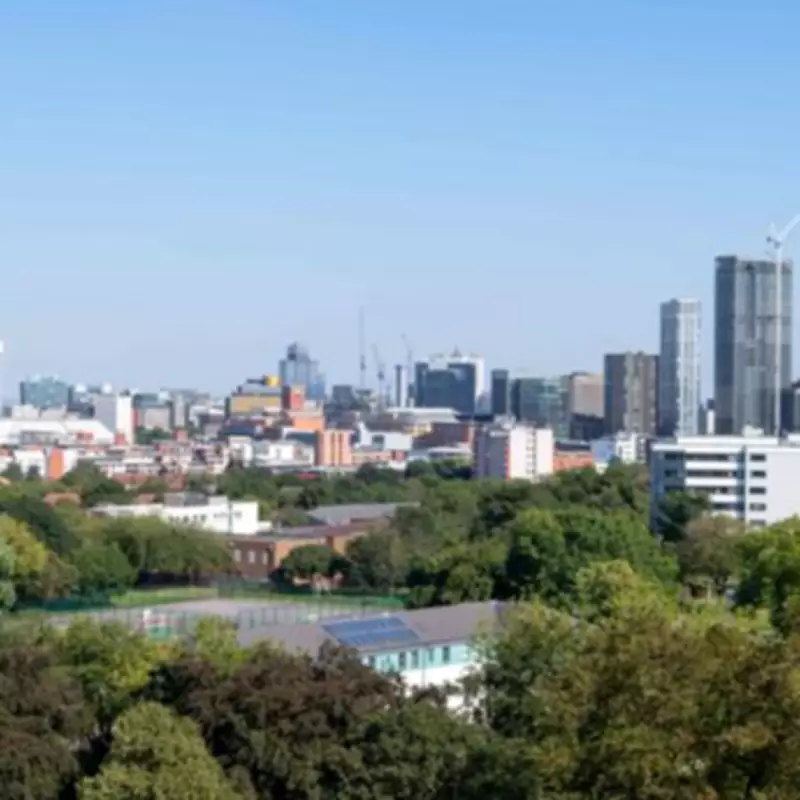
The Futile 'Second City' Debate Resurfaces Yet Again
Like a persistent seasonal ailment that refuses to clear, the question has returned to public discourse: is Birmingham or Manchester truly the United Kingdom's second city? This recurring debate, which surfaces periodically in media circles and public conversations, represents what many local observers consider a profound distraction from more urgent civic matters.
A Pointless Distraction Birmingham Cannot Afford
Graeme Brown, Editor-in-Chief for Reach PLC in the West Midlands, has publicly declared his intention to abandon this discussion entirely. He characterizes the debate as "the epitome of pointlessness" and questions why any city would aspire to be second in any meaningful ranking. The argument over civic status, he suggests, reveals more about what society is avoiding discussing than what it genuinely values.
"If Manchester wants to call itself the UK's second city, fine. Genuinely—have at it," Brown states emphatically. "Print the T-shirts, hang the banners, shout about it from the rooftops. It doesn't change the reality on the ground in Birmingham one bit."

The Actual Measure of a City's Success
According to Brown, the proper questions Birmingham should confront have nothing to do with comparative civic rankings. The essential inquiries should focus on whether Birmingham represents a better place to live, work, and raise families than it did previously. Are residents' lives genuinely improving? Are opportunities expanding rather than concentrating among limited segments of the population?
Birmingham undoubtedly possesses vibrant attributes that merit recognition. The city's culinary landscape thrives with independent establishments and upscale dining options. Specific central districts buzz with energy during evening hours, demonstrating what strategic investment and thoughtful urban planning can achieve. Numerous modern, welcoming areas within the city center showcase Birmingham's considerable potential when development initiatives succeed.
The Deepening Crisis of Poverty Demands Attention
However, these positive developments represent only part of Birmingham's complex narrative. While media outlets recycle the second city debate, a far more critical and worsening issue demands civic attention: systemic poverty. This challenge manifests concretely through struggling families, children lacking basic necessities, and communities experiencing increasing marginalization.
"You can't eat a 'second city' title. You can't pay rent with it," Brown observes pointedly. "It doesn't fix schools, it doesn't reduce inequality, and it doesn't create opportunity where there currently isn't enough."
Confronting Difficult Realities Over Easy Arguments
Brown suggests that debating civic status provides an easier, less demanding alternative to confronting Birmingham's structural challenges. Arguing about rankings proves simpler than asking difficult questions regarding necessary changes and identifying responsible parties for implementing those transformations. The actual measure of any city's character lies not in comparative headlines but in how it treats residents within its boundaries.
"I don't care if Birmingham is second, third, or somewhere much further down the list," Brown declares. "What I care about is whether it is improving for the people who call it home."
Birmingham's True Priority: Becoming Its Best Self
The fundamental challenge facing Birmingham involves narrowing rather than widening the gap between its most and least advantaged residents. The authentic conversation should concentrate on whether opportunity spreads equitably across communities rather than clustering within privileged enclaves. Birmingham's leadership and citizens must move beyond superficial debates to address these substantive issues.
Brown concludes with a powerful reframing of Birmingham's aspirations: "So let Manchester have the label if it wants it. Birmingham has something far more important to focus on: becoming the best version of itself. And that's a title worth fighting for."