A remarkable 81 per cent of British adults believe there are wonderful, time-honoured words that deserve to be returned to regular use, according to a new nationwide poll. Words like flabbergasted, chuffed, and gobsmacked top the list of nostalgic terms people would love to see make a dramatic comeback in everyday conversation.
The Lost Lingo of Britain
The research, commissioned by Tesco Mobile and involving 2,000 adults, highlights a collective yearning for the colourful vocabulary of yesteryear. Other cherished words identified include bamboozled, codswallop, and kerfuffle, which carry a strong sense of nostalgia but are now rarely, if ever, heard in modern dialogue.
Interestingly, only six per cent of respondents admitted to regularly using the word balderdash, underscoring how these expressive terms have faded from common parlance. This linguistic shift has sparked a movement to revive Britain's rich verbal heritage.

Essential Words of the Year Campaign
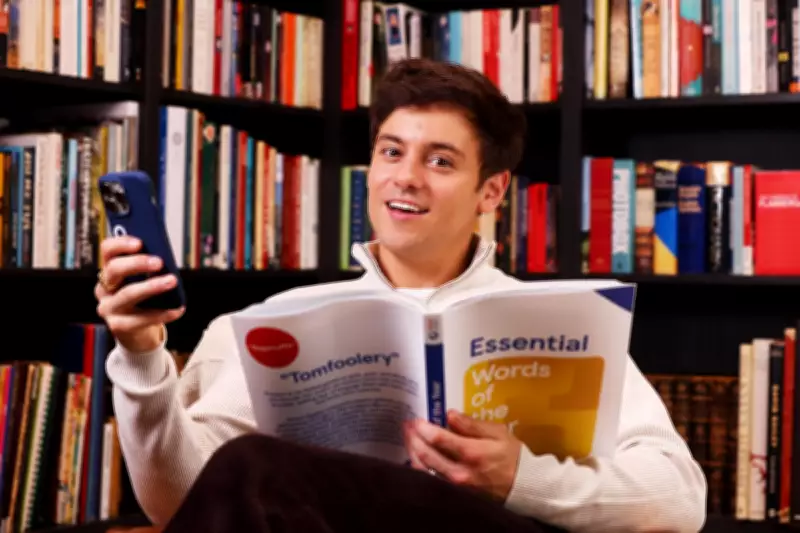
In response to these findings, Tesco Mobile has partnered with Olympic diver and broadcaster Tom Daley, alongside wordsmith and broadcaster Gyles Brandreth, to launch the Essential Words of the Year initiative. This campaign celebrates the classic words Brits most want to reintroduce into daily discussions, supporting the brand's Essentials pay-as-you-go tariff designed to simplify mobile billing.
Tom Daley, who famously reacted to Kate Garraway's use of flamboyant language on Celebrity Traitors, expressed his enthusiasm for the project. He stated, "While I am personally shook flabbergasted is set to make a comeback, there is real power when using new, or sometimes time-old phrases. They're a great way to make conversations more interesting, especially with so many of us communicating through texts or calls."
Modernising Classic Vocabulary
The survey also uncovered innovative ideas for breathing new life into these archaic terms. A significant 42 per cent of participants believed that lost lingo could successfully re-enter the lexicon if given a contemporary twist. For instance, codswallop might be abbreviated to simply talking 'cods', making it more accessible to younger generations.
Furthermore, 31 per cent felt that adapting or modernising such words would be very helpful in bridging the generational gap in language use. An impressive 62 per cent even agreed that these classic terms are often clearer than their modern counterparts, despite their more flamboyant and expressive nature.
This growing appreciation for Britain's linguistic past suggests a vibrant future where conversations are enriched by the revival of charming and precise vocabulary, making everyday interactions more engaging and distinctive.