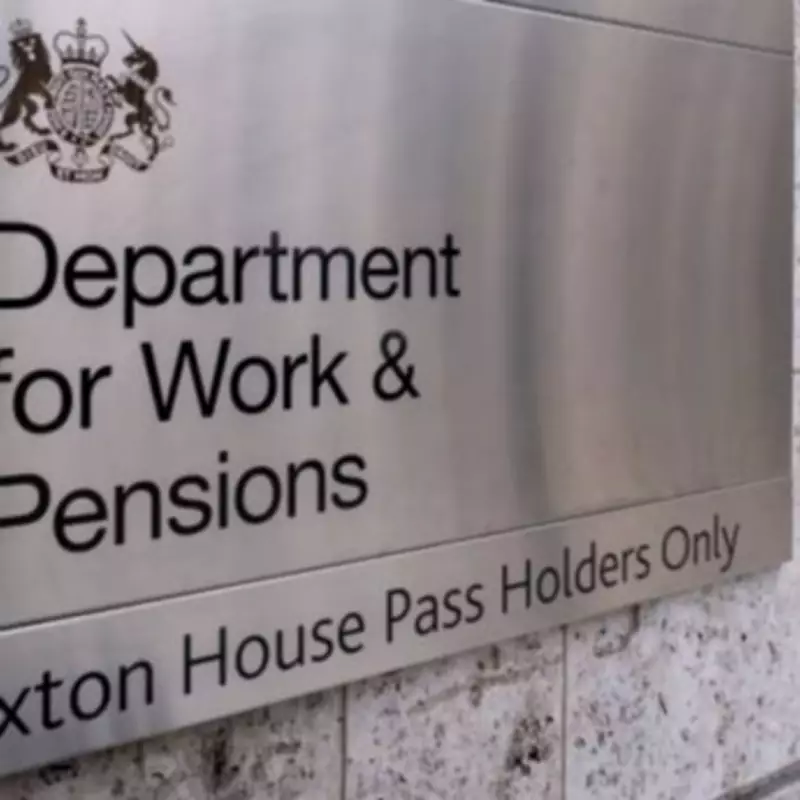
Carer's Allowance Recipients Missing Out on £37 Weekly Compared to Wage Growth
People receiving Carer's Allowance from the Department for Work and Pensions are facing a significant financial shortfall, with analysis showing they are approximately £160 worse off each month. The benefit has failed to keep pace with wage growth over nearly five decades, creating what campaigners describe as a concerning situation for unpaid carers across the country.
Substantial Weekly Shortfall Revealed in New Analysis
Research conducted by Carers UK, utilizing data from the Office for National Statistics, has uncovered that Carer's Allowance currently stands at £86.45 per week. The charity's analysis demonstrates that if payments had increased in line with average earnings since the allowance's introduction in 1976, recipients would now be receiving approximately £123.48 weekly.
This discrepancy leaves carers £36.93 worse off each week, amounting to substantial financial pressure over time. Helen Walker, representing Carers UK, emphasized the severity of this situation, stating that these figures are particularly troubling given the realities faced by carers daily.

Carers Struggling to Cover Basic Needs
"We hear regularly from carers who are providing far more than the 35 hours of care required to qualify for Carer's Allowance while struggling to make ends meet," Walker explained. "Many tell us that their income simply isn't enough to cover the basics."
Walker further highlighted the expanding role of unpaid carers, noting that they are increasingly stepping in to fill gaps in care provision, often delivering intensive support and managing complex health conditions without adequate financial recognition.
Recent Increases Fail to Address Core Issue
While the weekly rate of Carer's Allowance increased by £3.15 from April 6, rising from £83.30 to £86.45 weekly (or £4,495.40 annually), this adjustment does little to address the historical shortfall. In another development, the earnings limit for Carer's Allowance has also increased, allowing carers to earn up to £204 weekly after certain deductions while still qualifying for the benefit, up from £196 previously.
Other carer-related benefits have seen similar adjustments. The Carer Element of Universal Credit increased from £201.68 to £209.34 monthly, and the Carer Addition for Pension Credit rose from £46.40 to £48.15 weekly.
Welcome Changes But Insufficient Support
Walker acknowledged that "the increase to the Carer's Allowance earnings threshold to over £200 a week is welcome news for the many carers who are juggling paid work with caring responsibilities." She noted that because the threshold has risen, some carers who previously earned too much to qualify may now find themselves eligible for support.
"We are encouraging all carers to check their entitlement so they don't miss out on money they could now receive," Walker added.
Persistent Poverty Among Carer's Allowance Recipients
Despite these adjustments, Carer's Allowance remains the lowest benefit of its kind. Nearly two-thirds of Carer's Allowance recipients live in poverty, with the vast majority reporting that the benefit falls short of meeting their financial needs.
Walker emphasized the urgent need for reform, stating: "Fifty years on from the introduction of Carer's Allowance, it's time for a full review to ensure the benefit properly recognises the vital role carers play and provides the financial security families need to keep caring."
Calls for Comprehensive Benefit Review
Carers UK is advocating for a thorough reassessment of Carer's Allowance, including an examination of eligibility rules, to guarantee that carers receive meaningful and sustainable support in the long term. The organization argues that after nearly five decades, the benefit system must better reflect the essential contributions made by unpaid carers across society.