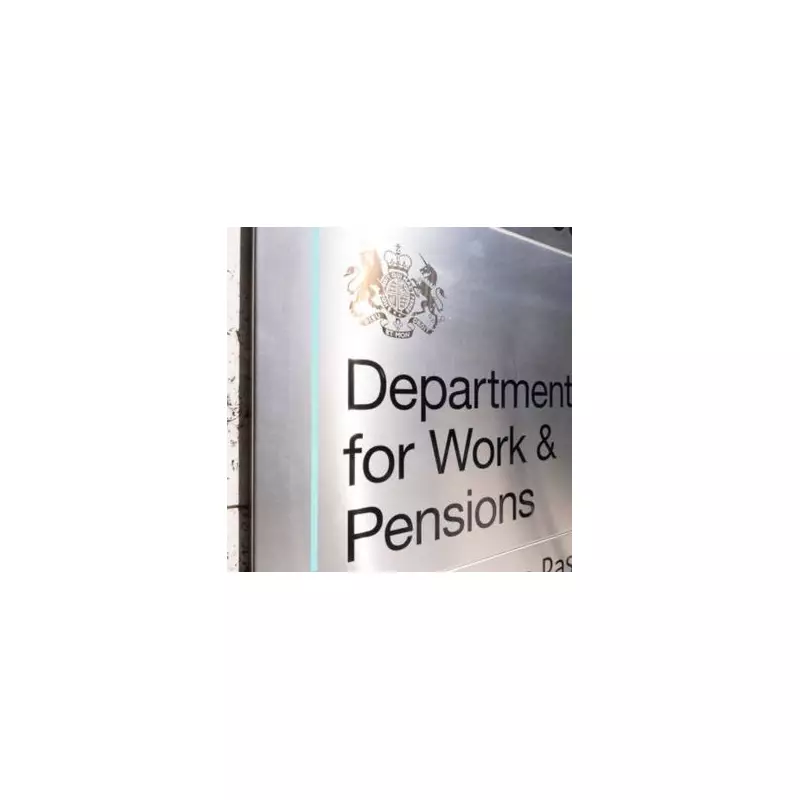
A major review has exposed a systemic failure within the benefits system that has left thousands of carers facing vast, life-altering debts after accidental overpayments. The scandal, involving the Department for Work and Pensions (DWP), has forced many out of work and caused immense distress.
'I Was Seen as a Criminal' - A Carer's Story
One victim, a 60-year-old woman, has been ordered to repay £1,623 after unknowingly exceeding the earnings limit for Carer’s Allowance. She was providing full-time care for her husband, who suffered from bowel cancer, and her son, who has Down’s syndrome.
"I was worried about bills, I was worried about the money, but I didn’t realise carer’s allowance had this cliff-edge," she explained. "When you’re caring, you’re not always in a good place mentally. It’s so stressful. You’re always battling a system."

She described feeling criminalised by the DWP's approach. "I was seen as a criminal because I had taken this carer’s allowance. I am not someone that’s taking from the state or living on benefits – I was trying to work," she said. "So you’re in a situation where it’s not your fault, but you’re made to feel guilty."
Systemic Failures and a 'Cliff-Edge' Problem
Liz Sayce, who led the independent review into the scandal, spoke to the I paper about the profound systemic issues. She highlighted the lack of a clear plan to resolve the problem, stating: "There hadn’t been an overarching plan with concerted leadership to make sure this problem was fixed. That was very noticeable."
Sayce identified two key factors that exacerbated the crisis for carers. Firstly, the sudden cut-off or "cliff-edge" of the earnings limit, and secondly, significant delays in notifying people about overpayments, allowing debts to balloon. "If it had been really clear to people how their earnings would be averaged, far fewer people would have gone over that limit," she argued.
Government Pledges Action Amid Unprecedented Scandal
In a significant development, the government has acknowledged the scale of the failure. Sayce noted the unprecedented nature of the state's response: "This is quite unprecedented, that the Government has said they are going to reassess and, where needed, repay debts, write off debts, and write off those civil penalties."
She expressed hope that this commitment would offer some solace to the thousands of carers who have been pursued for money they often cannot repay. The review underscores that these individuals were not acting fraudulently but were caught in a complex and poorly communicated system while under immense personal strain.
The findings, published on 1 December 2025, call for urgent reform to prevent further hardship for those providing essential, unpaid care to some of society's most vulnerable people.