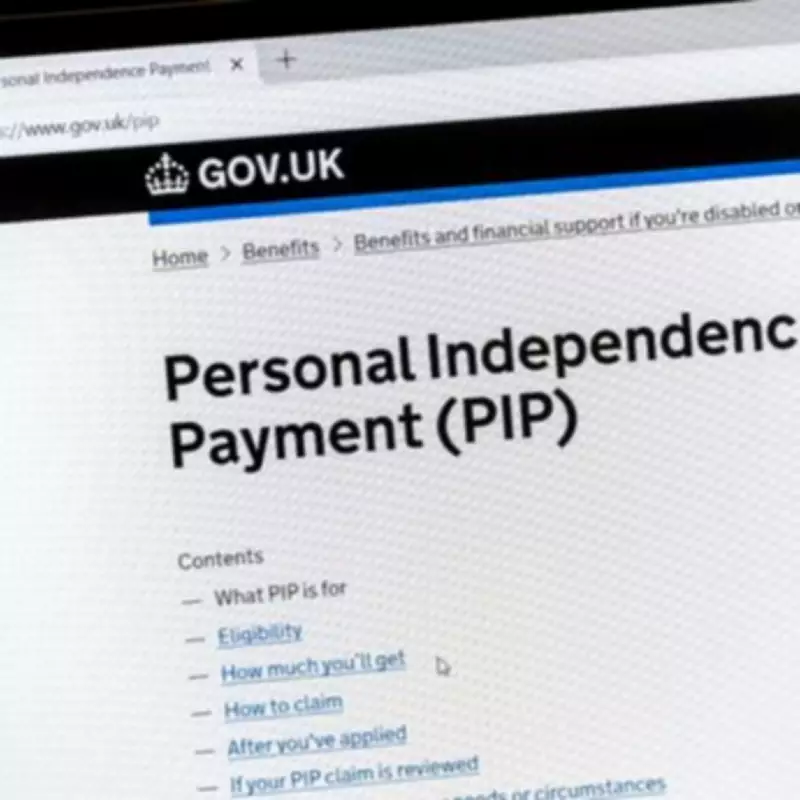
Government Announces Major PIP Review Update for Common Health Conditions
The Department for Work and Pensions has issued a substantial update regarding the future of Personal Independence Payments for two prevalent health conditions. The Labour government is currently conducting a comprehensive review of the PIP system as part of broader efforts to manage welfare expenditure more effectively.
Parliamentary Scrutiny and Ministerial Response
During recent Commons proceedings, Sir Stephen Timms, the Labour cabinet member overseeing the review, faced detailed questioning from fellow parliamentarians. One Labour colleague specifically inquired about measures to ensure the Timms Review properly addresses the needs of individuals living with arthritis and other musculoskeletal conditions.
Mr Timms responded emphatically, stating that for the review to achieve meaningful outcomes, lived experience must form the foundation of its work. He explained that the government is committed to co-producing the review with disabled people, their representative organisations, clinical experts, Members of Parliament, and various stakeholders.

Review Objectives and Collaborative Approach
The Department for Work and Pensions has clarified that the primary aim of the Timms Review is to ensure that Personal Independence Payments remain fair, relevant for future needs, and accurately reflect the realities of people's health conditions alongside their personal goals and aspirations.
Upon launching this significant review, Sir Stephen Timms acknowledged the profound importance this process holds for disabled individuals, carers, families, and supporting organisations. He emphasised the government's dedication to collaborative development, working directly with disabled people, Disabled People's Organisations, and numerous experts who bring practical experience to the table.
Review Leadership and Historical Context
The Timms Review is co-chaired by Sir Stephen Timms alongside Sharon Brennan and Dr Clenton Farquharson CBE. This leadership team is overseeing a co-production process that involves disabled individuals, their representative bodies, carers, healthcare professionals, subject matter experts, parliamentarians, and other relevant stakeholders.
The DWP published the initial Terms of Reference for this review in June 2025, noting that PIP was originally introduced in 2013 to replace Disability Living Allowance for adults. The department highlighted that more than a decade has passed since the assessment criteria were designed, during which time significant changes have occurred in society and healthcare.
Changing Landscape of Disability Support
While there have been two independent reviews of the PIP assessment process in 2014 and 2016, these primarily focused on decision-making quality, consistency, and claims procedures. The fundamental assessment framework itself has never undergone comprehensive examination.
Since PIP's introduction, there have been notable shifts in long-term health conditions and disability patterns, alongside substantial changes in workplace environments and broader societal structures. Current statistics indicate that nearly ten million working-age people identify as disabled, representing approximately twenty-three percent of this demographic.
This number has increased by almost three million individuals since 2013-2014, with particularly significant rises in disability prevalence among younger people and increasing numbers of mental health conditions being reported across the population.