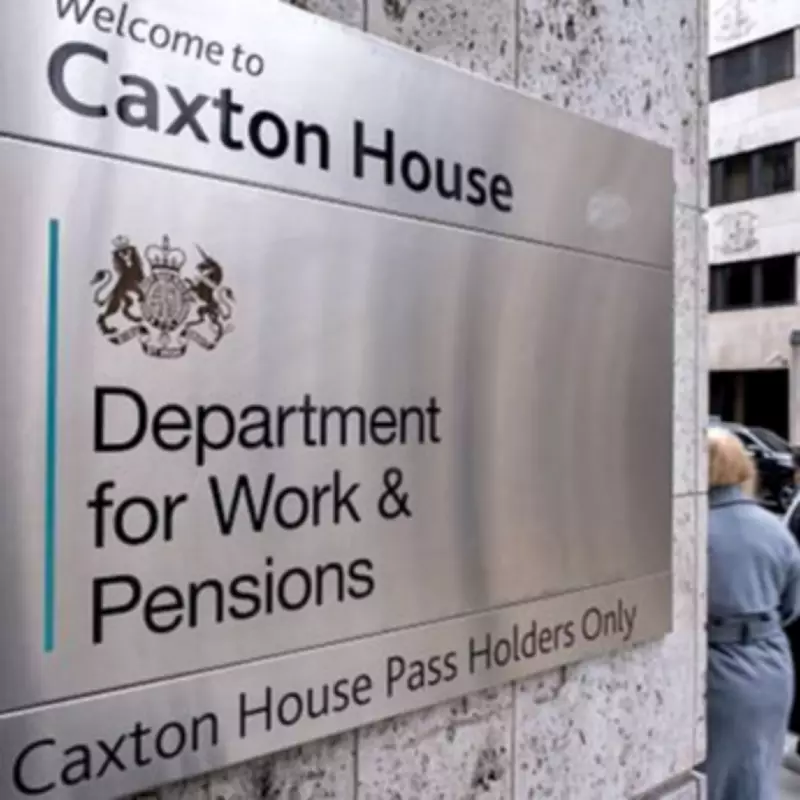
A significant Department for Work and Pensions policy adjustment intended to alleviate financial pressures on families is set to disappoint tens of thousands of households across the United Kingdom. New analysis reveals that 50,000 low-income families currently subject to the controversial two-child benefit limit will see no material improvement in their circumstances when the restriction is formally lifted in April.
The Benefit Cap Creates a Financial Ceiling
The official impact assessment from the DWP confirms that the existing benefit cap will prevent these 50,000 households from gaining any additional financial support following the policy change. Furthermore, approximately 20,000 families will experience only partial income increases, as their benefits will merely rise to meet the current cap level without exceeding it.
Policy Experts Voice Concerns
Iain Porter, Senior Policy Adviser at the Joseph Rowntree Foundation, acknowledged the positive direction of removing the two-child limit from Universal Credit but highlighted significant shortcomings. "It's good news that the government has begun the process of reducing child poverty," Porter stated. "The removal of the 2-child-limit for Universal Credit is undoubtedly a step in the right direction. But on its own it's not enough."

Porter's analysis projects that child poverty rates will decline sharply in April when the change takes effect, but then stagnate. "By the end of the parliament there will still be around 4 million children in poverty – unless the government takes additional steps," he warned. "An immediate and obvious step is to address the damage done by the benefit cap, which leaves families in hardship."
Campaigners Urge Parliamentary Action
The policy development coincides with a coordinated campaign involving sixty organisations urging Members of Parliament to support legislation ending what they describe as an "awful experiment." In a joint statement, groups including the Child Poverty Action Group, Citizens Advice, and multiple education unions declared the two-child limit has had a "devastating impact on young lives."
"This is a historic day for children and families across the UK as legislation to remove the two-child limit from our social security system starts to make its way through Parliament," the coalition stated. "The two-child limit was an awful experiment that hurt children. More than any other policy, the two-child limit is responsible for driving child poverty to its current record high."
The campaigners added: "Today marks the moment when we start to turn things around for the next generation. We commend the government for making the choice to scrap the two-child limit and ask all MPs to stand with children and support this Bill. Every child deserves the best start in life, with a decent childhood that lays the foundations for a strong future. Ending the two-child limit sets our country on the right path to meet that ambition."
Government Defends Broader Strategy
A government spokesperson responded to the criticism by highlighting their comprehensive Child Poverty Strategy. "Our Child Poverty Strategy will lift 550,000 children out of poverty by 2030 – the biggest reduction in a single parliament," the spokesperson asserted.
"Scrapping the two-child limit is just one of the ways we’re helping to lift children out of poverty, alongside measures including extending Free School Meals, boosting the national living wage, cutting energy bills by £150 and launching our £1 billion Crisis and Resilience Fund to support families in need."
The complex interaction between the lifted two-child limit and the persistent benefit cap illustrates the challenges in designing social security systems that effectively reach those most in need without creating unintended barriers to support.