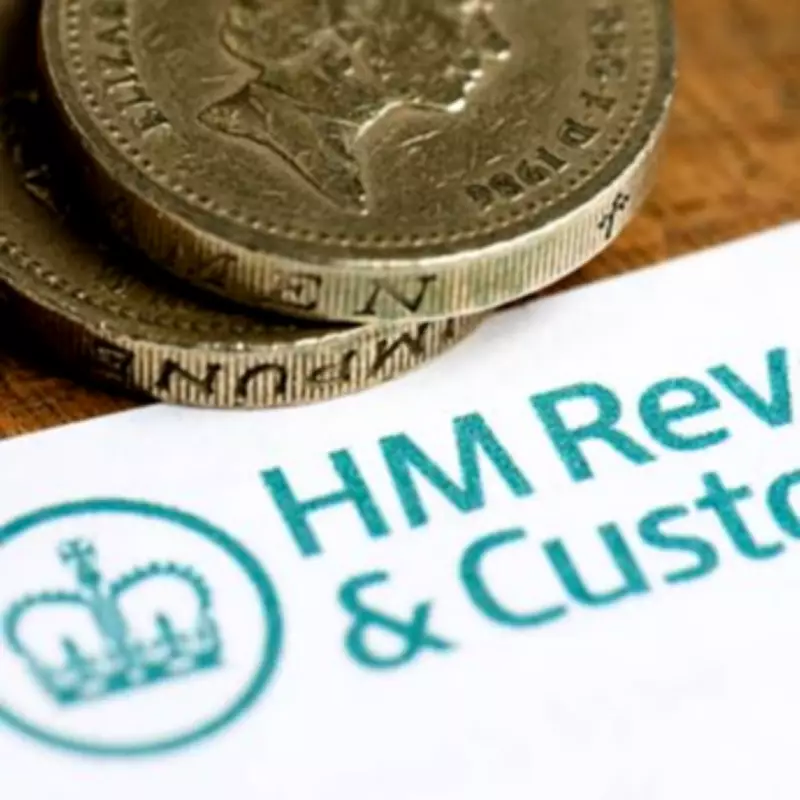
HMRC's £600 Bonus Payments for Universal Credit Claimants
The government-backed Help to Save scheme is offering Universal Credit claimants the opportunity to receive bonus payments worth up to £600. This initiative, supported by the Labour Party government, provides a 50% bonus on savings, aiming to encourage financial resilience among working recipients.
How the Help to Save Scheme Works
HMRC is actively promoting this unique savings account, which includes a 50% government-backed bonus of up to £600 every two years. Currently, the scheme is exclusively available to working Universal Credit recipients, but eligibility is scheduled to broaden starting in 2028.
In a recent post on X, HMRC stated: "Want to boost your savings? With Help to Save, for every £1 eligible Universal Credit claimants save, the Government adds 50p. That's up to £1,200 in bonus payments over four years." They encouraged individuals to check their eligibility and apply via the HMRC app.

Maximising Your Savings
To achieve the full benefits, claimants can save a maximum of £50 each month over four years without making any withdrawals. This strategy results in a £600 bonus payment in the second year and an additional £600 bonus payment in the fourth year, totalling £1,200 in government contributions.
Expert Insights from Martin Lewis
BBC and ITV financial expert Martin Lewis commented on the scheme, highlighting its innovative structure. He noted: "The great concern with Help to Save was that it would encourage people to save when they should instead be paying off debts, including some extremely expensive ones like payday loans, high cost credit or poor credit credit cards."
Lewis added: "Yet they've managed to work a structure that lets people possibly have the best of both worlds. The fact that you're given the bonus based on the highest amount you've saved, rather than the amount that you actually have in there, means you can build up your savings until you have an emergency that you would otherwise have borrowed for, and then use your savings instead of borrowing."
He concluded: "But you'll still be rewarded for the fact that you saved in the first place. It's a very clever scheme and one that will work for many people. Of course though, if you've extremely expensive debts, rather than saving, it's best to try and clear those first."
This scheme represents a significant step in supporting low-income households, offering a practical way to build savings while receiving substantial government incentives.