Walsall and Wolverhampton have been identified as particularly lucrative hotspots for sex workers, according to a senior health and social care manager. The comments emerged during a recent meeting of Walsall Council's social care and health scrutiny committee, highlighting ongoing challenges in the region.
Transport Links Drive Increased Activity
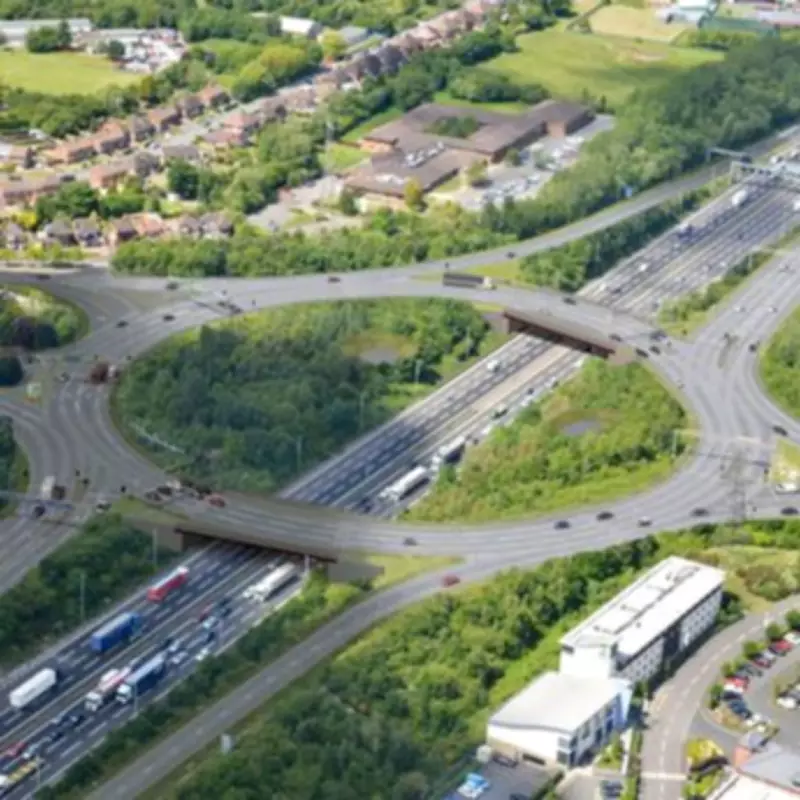
David Walker, a senior manager in the department at Walsall Council, explained that the area's strategic position near the M6 motorway appears to be a significant factor in this trend. The proximity to major transport routes results in higher than average footfall of potential clients, making these locations particularly attractive for those in the sex trade.
"The problem we've got is that Walsall and Wolverhampton are now seen as the most lucrative places to work," Mr Walker told committee members. "The police are saying they're noticing women from Birmingham coming into Walsall to work because for some reason – we've got the lorry parks, lorry drivers, companies and so on – a lot of traffic comes through the M6 and this is the place where they tend to find the trade."

Regional Draw and Support Challenges
The situation presents a complex challenge for local authorities who are attempting to support individuals wishing to exit the sex industry. Despite these efforts, Mr Walker acknowledged that the numbers of people involved in this trade are not decreasing as hoped.
He emphasized that while the council continues to provide support services for those involved, the geographical advantages of the area continue to draw workers from across the wider region. This creates a persistent situation that requires careful management rather than simple resolution.
"It's not decreasing as we want to, but we're just trying to manage it so there's support for these women," Mr Walker concluded, highlighting the practical approach being taken by local services.
The discussion at the scrutiny committee meeting underscores how infrastructure developments and transport networks can have unexpected social consequences, creating patterns of activity that extend beyond traditional administrative boundaries.