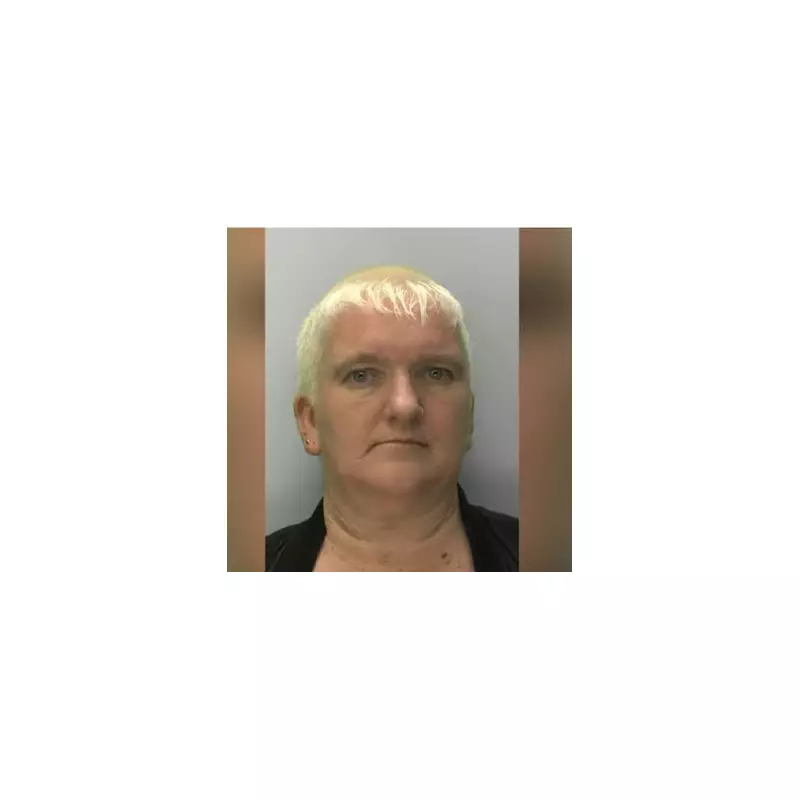
Mother of Ten Found Guilty of Decades-Long Abuse and Imprisonment
A Gloucestershire woman has been convicted of keeping a vulnerable teenager as a 'house slave' for more than a quarter of a century in what police described as prison-like conditions. Amanda Wixon, aged 56, was found guilty by a jury at Gloucester Crown Court following a disturbing trial that revealed systematic abuse and neglect.
Decades of Captivity in Squalid Home
The victim, now in her mid-forties, first entered Wixon's overcrowded home in the Priors Park area of Tewkesbury in 1995 when she was just 16 years old. She remained trapped there until 2021, when police finally intervened after receiving a report from one of Wixon's own sons. During her 25-year ordeal, the woman endured:
- Regular beatings and assaults with a broom handle that knocked out her teeth
- Washing-up liquid being squirted down her throat
- Bleach splashed on her face
- Forced head shaving against her will
- Severe food restriction, surviving only on scraps
Prosecutor Sam Jones told the court: 'She was kept in and prevented from leaving the address and she was assaulted and hit many, many times and forced to work with the threats of violence. She had been denied food and the ability to wash over many years.'

Prison Cell Conditions and Social Services Failure
Police officers who attended the property in March 2021 described the woman's bedroom as resembling a 'prison cell', with other bedrooms in the house equally untidy and dirty. The entire property was in a state of severe disrepair, featuring:
- Mould covering the walls
- Plaster hanging from ceilings
- Rubbish accumulating in the back garden
Perhaps most disturbingly, the court heard that social services had been involved with the family in the late 1990s but there were no records of any contact since that time. Mr Jones stated: 'The fact remains that nothing was done by social services. By the late 1990s it appears the woman disappeared into a black hole. Not a single meeting that left a record or a single sighting of her outside the house.'
Medical Neglect and Physical Evidence
The victim's medical situation provided compelling evidence of her prolonged isolation and mistreatment. She had:
- No medical or dental records for two decades
- Lost many teeth due to poor dental hygiene
- A Body Mass Index (BMI) 'very close' to being underweight when found
- Scarring to her lips and face
- Large calluses on her feet and ankles from constantly cleaning floors on her hands and knees
Neighbours provided harrowing descriptions of the victim's appearance, with one stating she looked 'like something out of a concentration camp' and another describing her as 'skin and bone' with a shaved head.
Court Proceedings and Defence Claims
Wixon faced multiple serious charges including:
- One count of false imprisonment
- Two counts of requiring a person to perform forced or compulsory labour
- Four counts of assault occasioning actual bodily harm
The jury acquitted her of one assault charge but convicted her of all other charges. Judge Ian Lawrie KC remarked that there was a 'Dickensian quality' to the case, noting that the victim had learning difficulties and had originally left her own 'dysfunctional family'.
Defence barrister Edward Hollingsworth described the prosecution case as a 'tale of fantasy and lies', suggesting there was a 'child-like fantasy' to the woman's allegations. He argued that Wixon's life was 'much more complicated and nuanced', pointing out that her other children were not vaccinated, did not attend school, and suffered from rotting teeth and head lice.
Aftermath and Sentencing
Since her rescue, the victim has been living with a foster family, attending college, and has even been on holidays abroad. However, she continues to suffer from nightmares about her ordeal and has developed a constant compulsion to clean.

Wixon was released on conditional bail following her conviction and is scheduled to be sentenced on March 12. The case has raised serious questions about safeguarding procedures and how such prolonged abuse could go undetected for decades in a residential community.