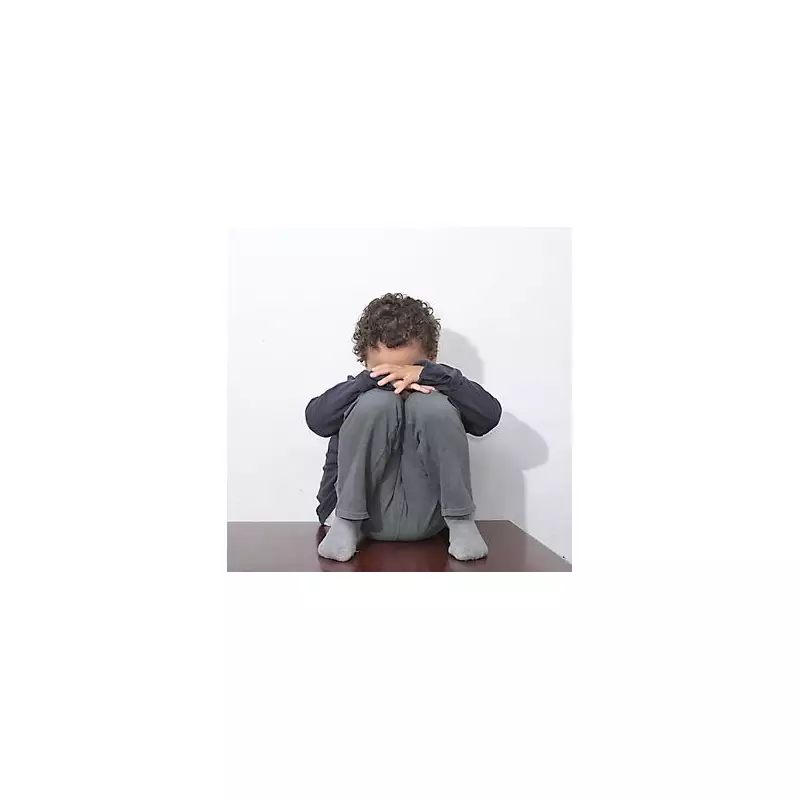
The UK government has launched its most ambitious plan to date to tackle child poverty, with a strategy designed to lift approximately 550,000 children out of relative low income by 2030. The plan, announced amid a record high of 4.45 million children living in poverty nationally, promises transformative support for thousands of families in Birmingham and the West Midlands.
Targeting Poverty Hotspots in the West Midlands
The strategy arrives as recent data highlights severe local challenges. Birmingham has one of the highest levels in the country for children living in Bed and Breakfast (B&B) accommodation, with around 800 families with dependent children housed in B&Bs as of June 2025. Across the wider West Midlands region, the figure for children in temporary accommodation stood at a staggering 16,580.
The reversal of the controversial two-child limit on benefits, a key demand of campaigns like BirminghamLive's Child Poverty Emergency project, is a cornerstone of the new approach. This change is set to directly benefit a staggering 67,230 children in Birmingham alone, a city which has more families with three or more children than anywhere else in the UK.

Key Measures in the Historic Plan
The government's strategy outlines a multi-pronged attack on the root causes of poverty, focusing on cutting costs, boosting incomes, and improving services.
Scrapping the two-child limit and expanding childcare support for Universal Credit claimants are central to boosting family incomes. From next year, rules will change to help new parents on Universal Credit return to work by extending eligibility for upfront childcare costs, preventing a potential debt trap.
A major focus is tackling the housing crisis. The plan pledges to end the unlawful placement of families in B&Bs beyond the six-week legal limit. To achieve this, the government is investing £8 million in Emergency Accommodation Reduction Pilots across 20 high-use local authorities for three years.
Furthermore, a £950 million investment through the Local Authority Housing Fund from April 2026 aims to deliver up to 5,000 high-quality homes for better temporary accommodation by 2030.
Ensuring Support and Reducing Essential Costs
The strategy introduces a new legal duty for councils to notify schools, health visitors, and GPs when a child is placed in temporary accommodation, ensuring no child is left without a joined-up support network. It also commits to ending the practice of discharging mothers with newborns into unsuitable B&Bs.
Recognising the pressure on household budgets, the government will act to reduce the cost of essentials. With some infant formula brands seeing prices rise by 25% in two years, new guidance for retailers—coupled with allowing the use of loyalty points and vouchers—could save parents up to £540 in a baby's first year.
For the first time, the strategy will also target reductions in deep material poverty, which measures whether children go without essentials like daily meals or a damp-free home, affecting two million children nationwide.
Reaction from Charities and Campaigners
Leading charities have welcomed the plan as a historic shift. Priya Edwards of Save the Children UK called the measures "bold" and not the "sticking plaster measures of the past." Dame Clare Moriarty, Chief Executive of Citizens Advice, stated that scrapping the two-child limit "is a big step forward that will make a huge and immediate difference."
Joe Jenkins of The Children's Society applauded the publication, emphasising that the commitments "have real potential to transform children's lives" if fully delivered. Daniel Kebede of the National Education Union called it a "long-overdue acknowledgement" that child poverty is a political choice, noting educators see its damaging effects daily.
The government asserts that, taken together, these interventions will not only lift hundreds of thousands out of poverty but also see 7.1 million children experience a rise in household income by the end of this Parliament, marking what it claims will be the largest reduction in child poverty by any government in a single Parliament.