North Wales Father's Life Shattered by Single-Punch Assault
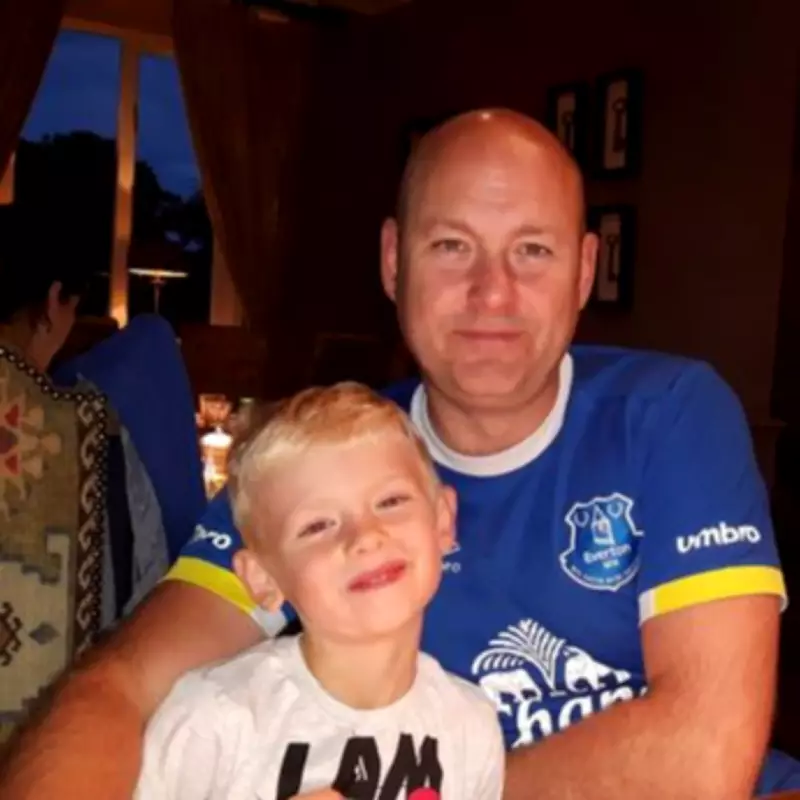
A devoted father and husband from North Wales has seen his existence irrevocably altered following a devastating one-punch attack that left him with permanent, catastrophic brain injuries. Craig Lewis-Williams, aged 50 and residing in Llay, was walking home in November 2021 when he was violently assaulted, resulting in injuries so severe that he is now unable to walk or swallow independently.
Catastrophic Injuries and Subsequent Stroke
During his extensive medical treatment following the assault, the former warehouse manager suffered a debilitating stroke. This additional medical crisis caused paralysis down the entire left side of his body and led to persistent, significant memory problems that further complicate his daily life and recovery prospects.
The severity of the attack means Mr. Lewis-Williams now depends entirely on a feeding tube for nutrition and requires visits from professional carers an astonishing six times each day to manage his basic needs.

Compensation Cap Deemed a 'Final Insult'
Following a formal appeal, he was awarded the maximum possible payout from the government's Criminal Injuries Compensation Authority (CICA). However, his wife, Anna Lewis-Williams, has expressed profound and serious concerns that the £500,000 settlement will be utterly inadequate to cover his lifelong, intensive care requirements.
This maximum compensation figure has remained frozen for three full decades, having been set in April 1996. Despite the life-altering, permanent nature of his injuries and the total loss of his ability to earn a livelihood, the financial support is capped at a rate established 30 years ago. The family's desperate situation starkly highlights the growing chasm between this fixed, outdated compensation limit and the harsh financial reality of providing long-term, high-quality support for victims of violent crime.
Campaigners Demand Urgent Government Review
Campaigners and legal experts have united in calling for the immediate lifting of the 30-year freeze on compensation for victims of crime. They argue the amount is now completely insufficient to allow families to plan for a secure future. The compensation is intended to provide for both care and long-term security, as such injuries typically render victims unable to work.
New analysis suggests that had the maximum award simply risen in line with standard inflation over the past three decades, it would now stand at more than double the current limit—approximately £1,015,000. One campaigner labeled the current static amount an "insult" to victims and their struggling families.
Those affected, alongside specialist lawyers, fear the compensation will run out prematurely, leaving individuals without vital support and drastically diminishing their overall quality of life.
A Family's Financial Fears for the Future
Anna Lewis-Williams, 45, explained the practical challenges: "Things are going to need replacing like his wheelchair and the adapted van—these are major expenses that ordinary people don't face. You cannot purchase a suitable vehicle for a few hundred pounds; everything must be specially adapted. The money is not going to last. He has just turned 50, and with a male life expectancy of 75 to 80, we are looking at another 25 to 30 years of costs."
She added, "We have a family, a vehicle, and prices are exponentially higher than 30 years ago. We are in a cost-of-living crisis. This money has to stretch much further and for much longer."
Broader Impact on Other Victims
The issue extends beyond this single case. Another parent, Nichola from north-west England, shares identical fears regarding her adopted teenage daughter, Lou. The secondary-school pupil lives with learning difficulties caused by prenatal brain damage.
While Lou attends a mainstream school, she contends with mental processing issues, mood disorders, and behavioral conditions. Assessments indicate she will likely struggle to maintain long-term employment. Nichola stated, "The compensation has to last her a lifetime, and she is very young—it might need to cover another 80 years. If you cannot hold down a job, you will not build a pension. You may only manage part-time, lower-paid work."

Legal Experts Issue a 'Wake-Up Call'
Neil Sugarman, a lawyer specializing in criminal injuries and former president of the Association of Personal Injury Lawyers (APIL), declared the 30th anniversary of the cap should serve as a decisive "wake-up call" to the government.
Mr. Sugarman said, "The fact that adults and children who suffer catastrophic brain injury, are confined to a wheelchair, or have their lives ruined by abuse must manage with this amount for life, through no fault of their own, is an insult."
Kim Harrison, a past president of APIL, called for an immediate governmental review of the limit, stating victims have been overlooked "for too long." She emphasized, "While a compensation cap is not perfect, at the very least it must be recognized that the amount set in 1996 will not go nearly as far today, three decades later."
A Ministry of Justice spokesperson responded: "Our thoughts are with all victims of violent crime. We are leaving no stone unturned to ensure brave survivors get the support they deserve, with over £164 million paid out by the taxpayer-funded Criminal Injuries Compensation Scheme in 2024/25."