Unsolved 1959 Nurse Murder: Family Fights to Unseal Police Files
The brutal murder of a Midlands nurse nearly 70 years ago may have been a silencing act to prevent her from exposing a grubby secret at the hospital where she worked, according to her family. Mother-of-five Martha Giles, killed at Wolverhampton’s New Cross Hospital in 1959, is believed by relatives to have been a potential whistleblower eliminated before she could reveal damaging information.
Sealed Files and Parliamentary Battle
Calls to make public sealed Metropolitan Police files on the case, held by the National Archives, have been consistently rejected. Following a decision to keep the dossier confidential for an additional 20 years, these details will remain under lock and key until at least 2055. The fight for answers has now reached Parliament, with Sir Gavin Williamson, MP for Stone, Great Wyrley and Penkridge, advocating to remove the secrecy surrounding the case. He asserts that Martha’s family has “waited too long for answers.”
Of Martha’s immediate family, only her daughter Edwina Edwards, now 90 and living in the Black Country, and son Peter, who resides in America, survive. They hold little hope of justice, even with parliamentary support. “Edwina doesn’t think she’ll get closure in her lifetime,” a relative stated.

The Baffling Crime Scene
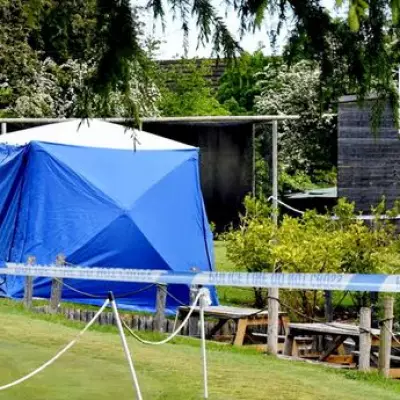
The murder of 45-year-old Martha Giles remains a perplexing whodunnit, with conspiracy theories of a cover-up adding to the mystery. Her body was discovered on February 12, 1959, on New Cross Hospital’s bowling green after she failed to report for her shift in the psychiatric ward the previous evening. She had endured a frenzied attack, bludgeoned with a rock and stabbed in the heart and lungs.
Key unanswered questions include:
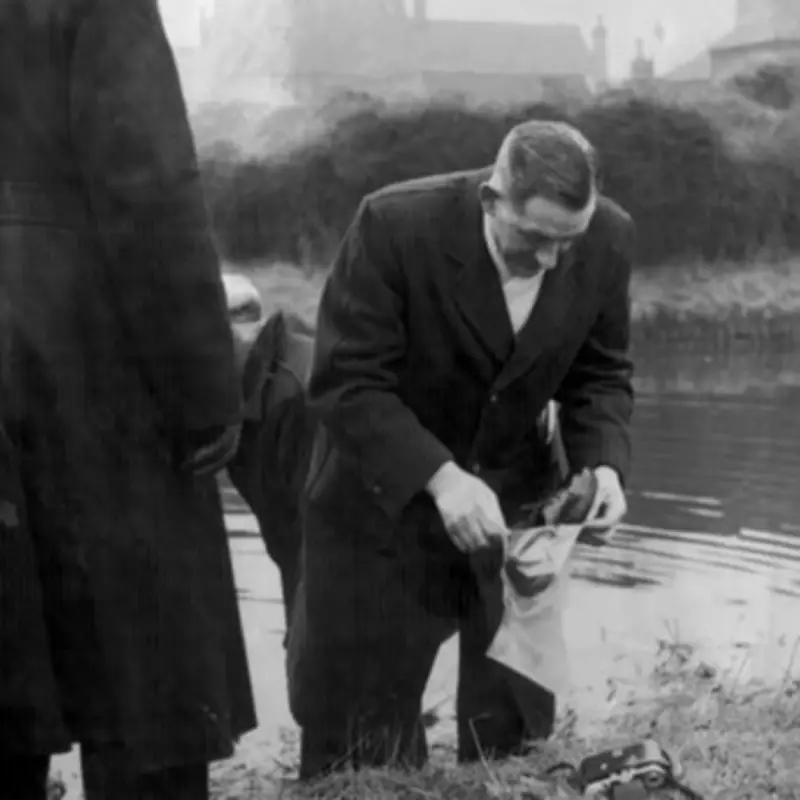
- Why were Martha’s shoes removed and later dumped in a canal?
- Why did the killer rip open her clothing, only to meticulously button them up afterward, with no evidence of sexual assault?
- Why did Martha take a different route to work on that fateful evening, deviating from her usual path?
Additionally, detectives doubted the murder occurred at the location where her body was found, further complicating the investigation.
Historical Investigation Flaws
The case is made more curious by police practices of the era. Crime writer Pauline Rowson, Martha’s great-niece, noted that the crime scene was not sealed off, compromising evidence from the outset. “The one thing we talked about was her shoes being missing, later found in the canal some miles away. As a child, the family were always calling it ‘the shoes murder,’” she recalled.
One man, Dr. Ravindranath Bhonsle, a physician at New Cross Hospital, stood trial for the murder but was acquitted at Stafford Assizes in July 1959 based on circumstantial evidence. The prosecution claimed the killer had “anatomical knowledge,” and Bhonsle admitted to kissing Martha and caressing other nurses, though he denied any sexual relationship.
Ongoing Secrecy and Family Frustration
In 2008, Pauline Rowson attempted to reopen the files through a Freedom of Information request, which was refused by the National Archives on grounds that Martha’s death was a “crime of a disturbing nature” and required protection of surviving parties from shock and distress. This rationale has been questioned, as murders inherently cause distress.
Last April, Sir Gavin Williamson inquired about the sealed papers and received a response from Chris Bryant, secretary of state for media and culture, citing the protection of personal data for individuals assumed to be living until 2055. This stance effectively prevents journalists from probing official documents about unsolved cases while relatives like Edwina Edwards, who desperately seeks truth, remain in the dark.
Pauline Rowson disputes the state’s reasoning, suggesting there are incendiary details in the files too sensitive for release. “I think there was something at the hospital that was happening. My feeling is maybe Martha discovered something and was about to be a whistleblower when this happened,” she speculated.

Parliamentary Pressure for Transparency
Sir Gavin Williamson has emphasized the urgency of resolving this issue in a letter to police and crime minister Sarah Jones, highlighting the excessive distress caused to Martha’s daughter. Jones acknowledged the horrific nature of the crime and offered to facilitate introductions with the Metropolitan Police, though decisions on file access rest with them.
Pauline Rowson added a poignant note: “Scotland Yard told me this is an unresolved case, not an unsolved case, and I think there’s a significant difference. Unsolved cases are periodically reviewed.” This distinction underscores the ongoing struggle for closure in a case that continues to haunt a family and community after nearly seven decades.