Valentine's Day Romance Scam Alert: UK Fraudsters Target Online Daters and Shoppers
MoneySuperMarket is issuing an urgent warning to British consumers about a significant seasonal surge in sophisticated romance scams and fraudulent shopping websites. With millions of people turning to online platforms to find love or purchase Valentine's gifts, experts caution that this creates ideal conditions for criminal exploitation.
How Romance Scammers Operate
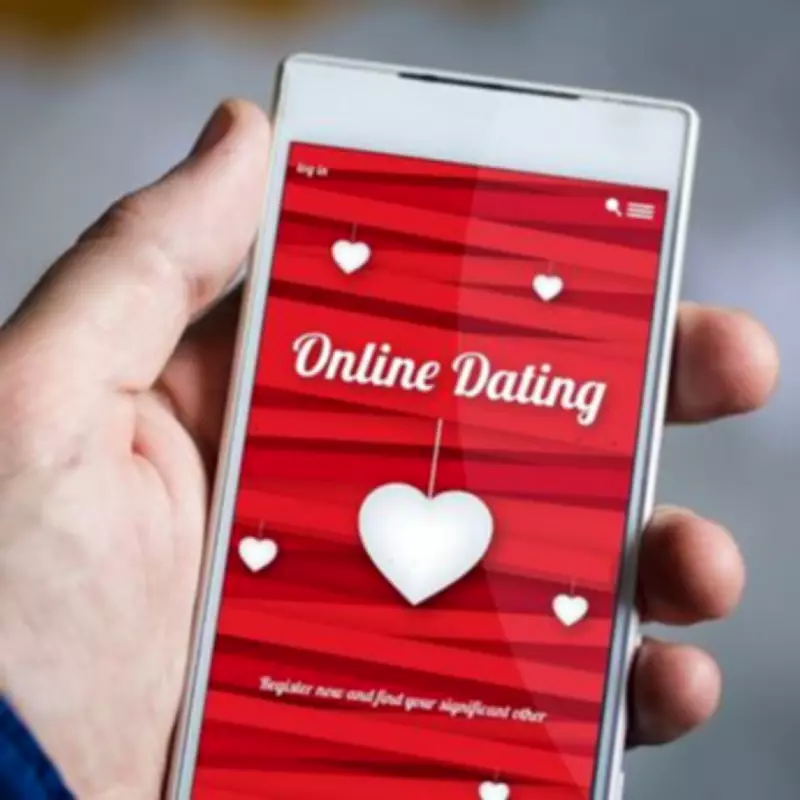
Criminals are deploying increasingly sophisticated tactics to defraud vulnerable individuals seeking companionship. Fraudsters create fake dating profiles to engage in what's known as "love bombing" - showering victims with excessive affection and attention to build emotional dependency quickly.
Once they've established trust, these scammers typically invent urgent financial crises requiring immediate cash transfers. Common fabricated scenarios include:

- Medical emergencies requiring expensive treatment
- Travel issues preventing them from meeting in person
- Business problems needing urgent capital injection
These stories are designed to pressure targets into making rapid, emotionally charged payment decisions before they can properly consider the situation.
Fake Shopping Sites and Delivery Scams
Beyond romance scams, criminals are targeting last-minute Valentine's shoppers through multiple deceptive methods:
- Fraudulent floral and gift websites appearing in search results to harvest personal data and payment details
- "Unpaid fee" text messages mimicking legitimate couriers like Royal Mail or DPD
- Tampered gift cards sold on physical shop shelves with drained balances
The Met Office predicts an unsettled and chilly lead-up to February 14th, with potential frost and rain likely to increase indoor online shopping activity. This heightened digital engagement creates more opportunities for what experts call "gift card grabbers" who exploit tampered physical cards.
Advanced Technological Deception
Fraudsters are now employing sophisticated technology to make their schemes more convincing. Scammers are using:
- AI-powered video calls to simulate real interactions
- Voice-altering software to maintain consistent personas
- Stolen or generated profile pictures that appear authentic
These technological advancements make it increasingly difficult for victims to distinguish between genuine connections and elaborate fraud attempts.
Essential Protection Measures
To safeguard against these Valentine's Day scams, security experts recommend several crucial protective measures:
- Always verify retailer legitimacy through independent review platforms before making purchases
- Ensure websites begin with "https" and display security certificates before entering payment information
- Perform reverse-image searches on dating profile pictures to check for stolen images
- Insist on live, multi-directional video calls early in online relationships
- Never make payments via random text links claiming to be from delivery companies
- Check delivery status updates directly through official courier apps rather than following text message links
For significant Valentine's purchases exceeding £100, experts strongly recommend using a credit card to benefit from Section 75 legal protection. This consumer credit legislation makes your bank jointly liable if goods fail to arrive or the business turns out to be fraudulent.
By remaining vigilant and following these protective guidelines, UK consumers can significantly reduce their vulnerability to Valentine's season scams while still enjoying online dating and shopping experiences.